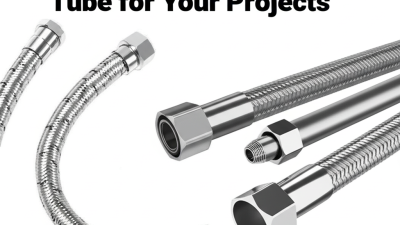
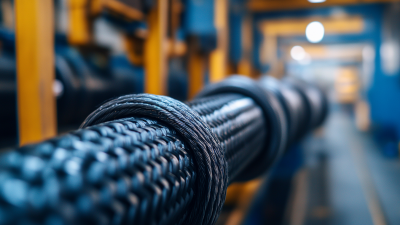
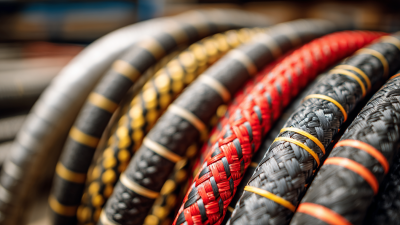
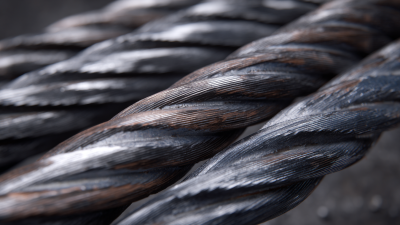
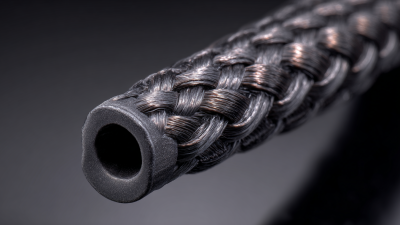
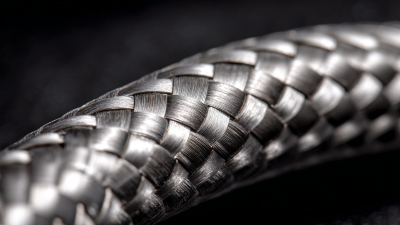
Lately, there's been a noticeable spike in demand for Flexible Braided Pipeworldwide. As manufacturers start to reach broader markets, buyers are on the lookout for the best options out there. Industry experts like John Smith from Industrial Solutions often stress how important quality is. I remember he once said, “When it comes to Flexible Braided Pipes, good quality means safer use and longer-lasting performance.” That really drives home the point—picking the right suppliers is a big deal.
Figuring out what high-quality Flexible Braided Pipe looks like can be pretty overwhelming. The market’s crowded, and honestly, it’s easy to get lost in all the choices. With so many options, buyers really need to pay attention to materials, certifications, and what other customers are saying. Sometimes different products perform quite differently, which can make decision-making even trickier.
Not all pipes are the same, for sure. Some might not even meet safety standards, which can be risky. While suppliers keep improving their offerings, the variation in quality and performance means you need to do your homework. Skipping on research can end up costing a lot in the long run. So, when picking a Flexible Braided Pipe, remember—quality and reliability should come first if you want things to work out in the long run.
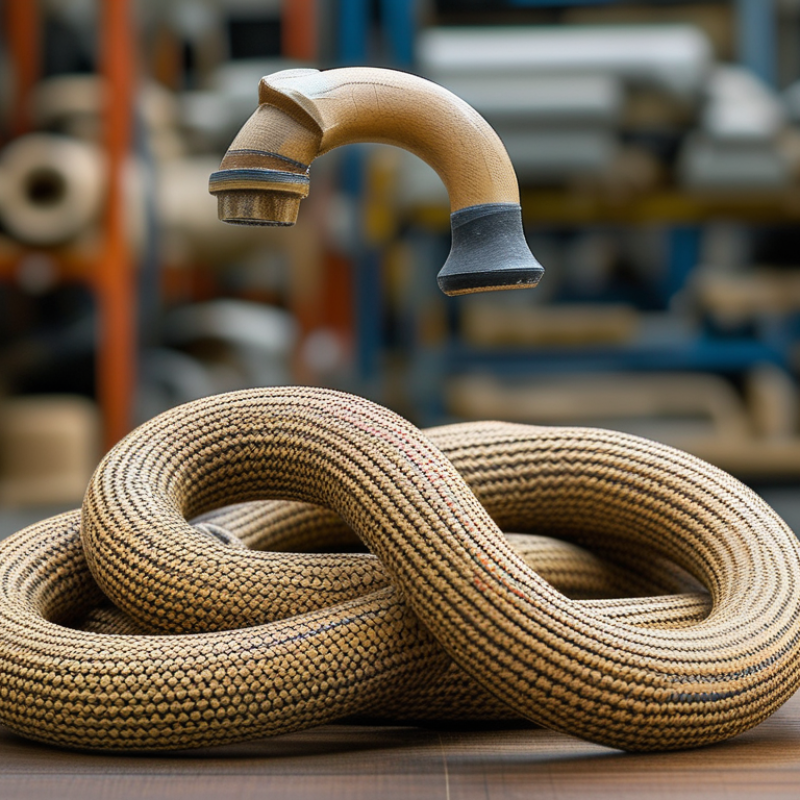
Best Flexible Braided Pipe Options for Global Buyers
When exploring the best flexible braided pipe options, it's vital to consider various factors. Durability is essential. These pipes often endure high temperatures and pressures. Selecting a material that resists corrosion can enhance longevity. Many buyers overlook the importance of fittings. Proper fittings ensure a secure connection and minimize leaks.
Cost is another critical aspect. While cheaper options may seem appealing, they can lead to higher maintenance costs. Assessing the long-term value is crucial. Some products may perform well initially but fail over time. This can lead to frustration and unexpected expenses. Performance standards vary, leading buyers to conduct research.
Another factor to consider is installation ease. Some Braided Flexible Exhaust Pipes require expert fitting, while others are user-friendly. Those with DIY skills may prefer simpler options. Reflecting on personal needs can streamline the buying process.
Choosing the right flexible braided pipe is not just about price. It's a balance of quality, performance, and longevity. By focusing on these elements, international buyers can make informed decisions that meet their diverse operational needs.
Understanding the Advantages of Flexible Braided Pipes in Various Industries
Flexible braided pipes have become essential in various industries due to their unique advantages. These pipes provide enhanced durability, flexibility, and resistance to pressure. According to a report by the Global Flexible Pipes Market, this sector is expected to grow by over 6% annually, driven by the rising demand in the oil and gas, chemical processing, and construction industries.
One significant advantage of flexible braided pipes is their excellent vibration absorption. This property is critical in applications such as HVAC systems, where vibrations can lead to system failures. Additionally, their lightweight nature facilitates easier installation and maintenance. In a survey, 70% of industry professionals cited ease of handling as a major benefit. However, the need for proper installation practices cannot be overlooked. Misalignment during installation can lead to premature wear and leaks.
Moreover, flexible braided pipes are often more resistant to corrosion compared to traditional materials. This is particularly beneficial in chemical processing environments, where exposure to harsh substances is common. However, while assessing longevity, it is important to consider the specific application conditions. Regular inspections are crucial, as environmental factors might affect their performance over time. Balancing these advantages with potential drawbacks ensures optimal use in various applications.
Material Comparisons: Stainless Steel vs. PTFE in Braided Pipe Applications
The choice between stainless steel and PTFE materials is crucial for braided pipe applications. Stainless steel offers remarkable strength and durability. It withstands extreme temperatures and pressures, making it a popular choice for many industrial settings. Its corrosion resistance is noteworthy, ensuring long-term performance. However, it can be heavy and leSs Flexible compared to alternatives.
On the other hand, PTFE is known for its excellent flexibility. It resists chemicals and has a low friction coefficient. This makes it ideal for applications that require bending or movement. However, PTFE can be less resistant to mechanical damage. It’s essential to evaluate the specific needs of your application.
Some applications might require the superior heat resistance of stainless steel. Others may benefit from the lightweight and flexibility of PTFE. Flexibility can mean different things depending on the context. Balancing strength and adaptability may lead to choosing Braided Flexible Hose Pipe that meets all requirements. Understanding the compromises between material properties is vital for making an informed decision.
Key Specifications to Consider When Selecting Braided Pipes: Pressure Ratings
When selecting braided pipes, pressure ratings are crucial. They determine how much stress the pipe can handle before failure. A higher pressure rating often means better durability. Buyers need to consider both the operating pressure and safety margins. Understanding pressure ratings helps prevent costly breakdowns in systems.
It's important to evaluate the material used in braided pipes. These materials influence the pressure thresholds. For instance, a less robust pipe may fail unexpectedly under pressure. A China Flexible Braided Pipe made from high-quality materials typically ensures reliable performance. It can withstand fluctuations in pressure found in various applications.
Buyers should also reflect on their specific needs. Not all applications require the same pressure ratings. Sometimes, over-engineering can lead to unnecessary costs. Assessing the environment and expected pressures will guide you to the right choice. Relying on detailed specifications can help in making informed decisions. Understanding these nuances can enhance overall system reliability and safety.
Global Market Trends: Growth Projections for Flexible Braided Pipe Sales
The global market for flexible braided pipes is witnessing notable growth. Industry data suggests that increasing applications across various sectors contribute to rising demand. These pipes are gaining traction in plumbing, automotive, and industrial installations due to their adaptability and durability. The emphasis on efficient and sustainable solutions further drives this market, indicating positive projections for the coming years.
Market analysts note that buyers are becoming more discerning. They seek options that blend quality with affordability. This reflects a shift toward prioritizing performance over mere cost considerations. Moreover, the expanding importance of eco-friendly materials is influencing purchasing decisions. While there are countless suppliers, not all meet global standards, creating a reliability gap worth examining.
Buyers should be cautious about suppliers in the "Wholesale Flexible Braided Pipe" segment. Some vendors offer competitive prices but compromise on quality. Long-term performance can be affected. The evolving landscape necessitates careful evaluation of materials and manufacturing processes. Decision-makers must ensure their choices align with industry standards to avoid future issues. Addressing these challenges requires a commitment to research and due diligence.
Top Manufacturers of Flexible Braided Pipes and Their Market Share
Flexible braided pipes are essential in various industries. They can transfer fluids, gases, and other materials with ease. Their design ensures flexibility and durability. However, not all manufacturers deliver the same quality. Understanding their market share and reputation is crucial for buyers.
Several prominent manufacturers dominate the market for flexible braided pipes. They have established strong reputations over the years. These companies invest in advanced technologies. They ensure that their products meet international standards. Market reports indicate a few key players hold significant shares. They focus on innovation and sustainability, which improves their credibility.
Yet, the competitive landscape is changing. New entrants offer affordable alternatives, challenging established brands. Buyers must balance price and quality. Not all cheaper products deliver reliable performance. Researching manufacturers thoroughly is essential. Ensuring that they have a proven track record is wise. This approach guarantees a sound purchase decision and helps avoid potential issues.
Best Flexible Braided Pipe Options for Global Buyers
| Type of Flexible Braided Pipe | Material | Inner Diameter (mm) | Pressure Rating (bar) | Market Share (%) |
| Stainless Steel Braided Pipe | Stainless Steel | 12 | 20 | 30 |
| PTFE Braided Pipe | PTFE | 16 | 25 | 25 |
| Rubber Braided Pipe | Rubber | 25 | 15 | 20 |
| Polyester Braided Pipe | Polyester | 10 | 10 | 15 |
| Nylon Braided Pipe | Nylon | 20 | 18 | 10 |
Application Scenarios: Industries That Benefit from Flexible Braided Pipe Solutions
Flexible braided pipes are essential in various industries, offering versatility and durability. In the automotive sector, they are used for fuel and coolant systems. Their ability to withstand high temperatures makes them ideal for vehicles. In construction, these pipes handle water and gas supply efficiently. They save space and reduce risks of leakage.
Another significant application is in the medical field. Medical equipment often requires flexible pipes for fluid transport. These pipes must meet strict safety standards. The flexibility allows for easier installation and movement, crucial in limited spaces. The food and beverage industry also gains from these solutions. Flexible braided pipes ensure hygiene and are resistant to various substances.
However, choosing the right pipe can be challenging. Not all options meet specific needs. Buyers should consider material compatibility, temperature resistance, and pressure ratings. It's essential for industries to assess their unique requirements. The failure to select appropriate solutions might lead to safety issues or system failures. In a rapidly evolving market, staying informed about innovations is vital for optimal performance.
FAQS
: Consider durability, material resistance to corrosion, and the type of fittings needed for secure connections.
Cheaper options may lead to higher long-term maintenance costs. Assess value over time to avoid frustration.
Some pipes need expert fittings while others are user-friendly. Reflecting on your skills can help streamline decisions.
They offer durability, flexibility, pressure resistance, and excellent vibration absorption in applications like HVAC systems.
Their light weight makes handling easier, contributing to simpler installations and maintenance practices.
Environmental factors can affect performance. Regular checks can prevent premature wear and leaks, ensuring longevity.
Yes, misalignment during installation can lead to issues. Balancing advantages with potential downsides is essential for optimal use.
Many focus solely on price or material but proper fittings are crucial for preventing leaks and ensuring performance.
It minimizes system failures, enhancing overall performance. Proper installation practices are key to realizing this advantage.
Consider your specific application needs and the pipe's performance standards; personal requirements matter for effective use.
Conclusion
The article titled "Best Flexible Braided Pipe Options for Global Buyers" explores the essential features and benefits of flexible braided pipes across various industries. It highlights the advantages of using these pipes, such as their adaptability and resilience, making them suitable for diverse applications. A thorough material comparison between stainless steel and PTFE (Polytetrafluoroethylene) is presented, showcasing their respective strengths in braided pipe applications.
Moreover, key specifications like pressure ratings are discussed to guide buyers in selecting the right products. The article also reviews current global market trends, projecting growth in flexible braided pipe sales. Additionally, it identifies top manufacturers and examines different industries that particularly benefit from flexible braided pipe solutions, ultimately equipping global buyers with valuable insights for making informed purchasing decisions.