
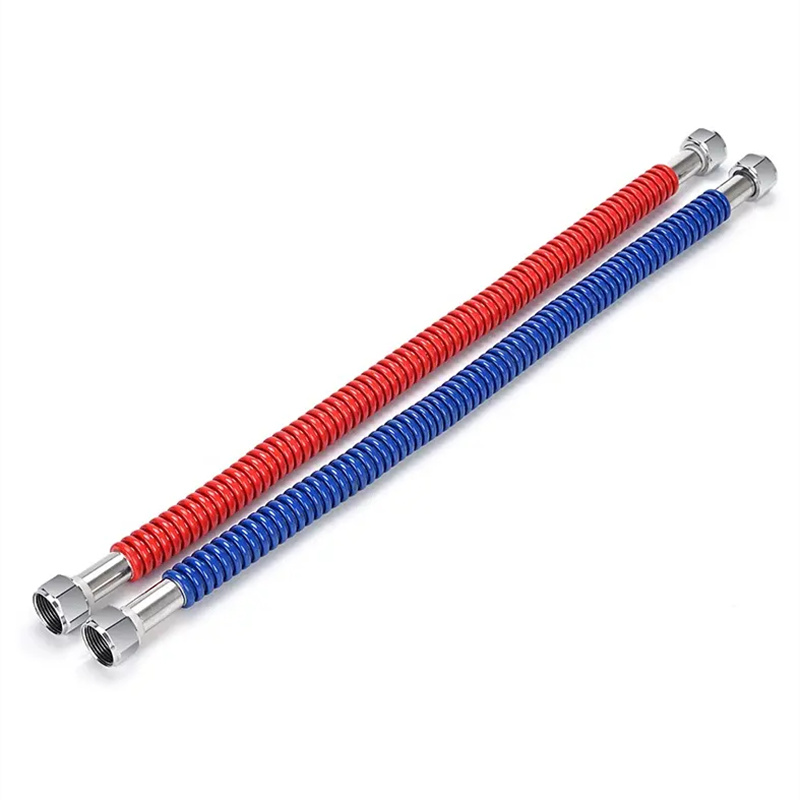
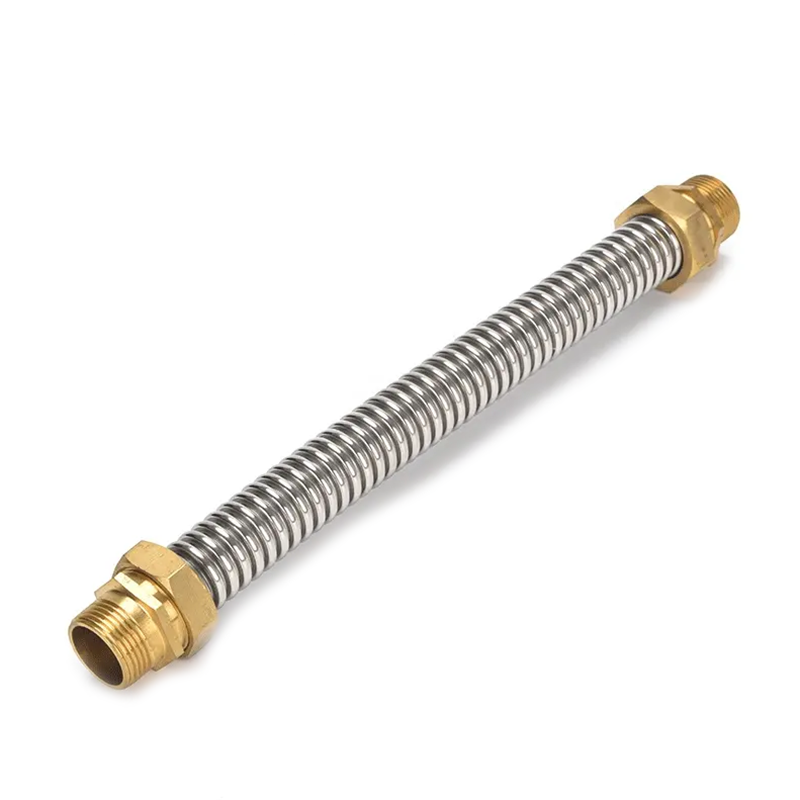
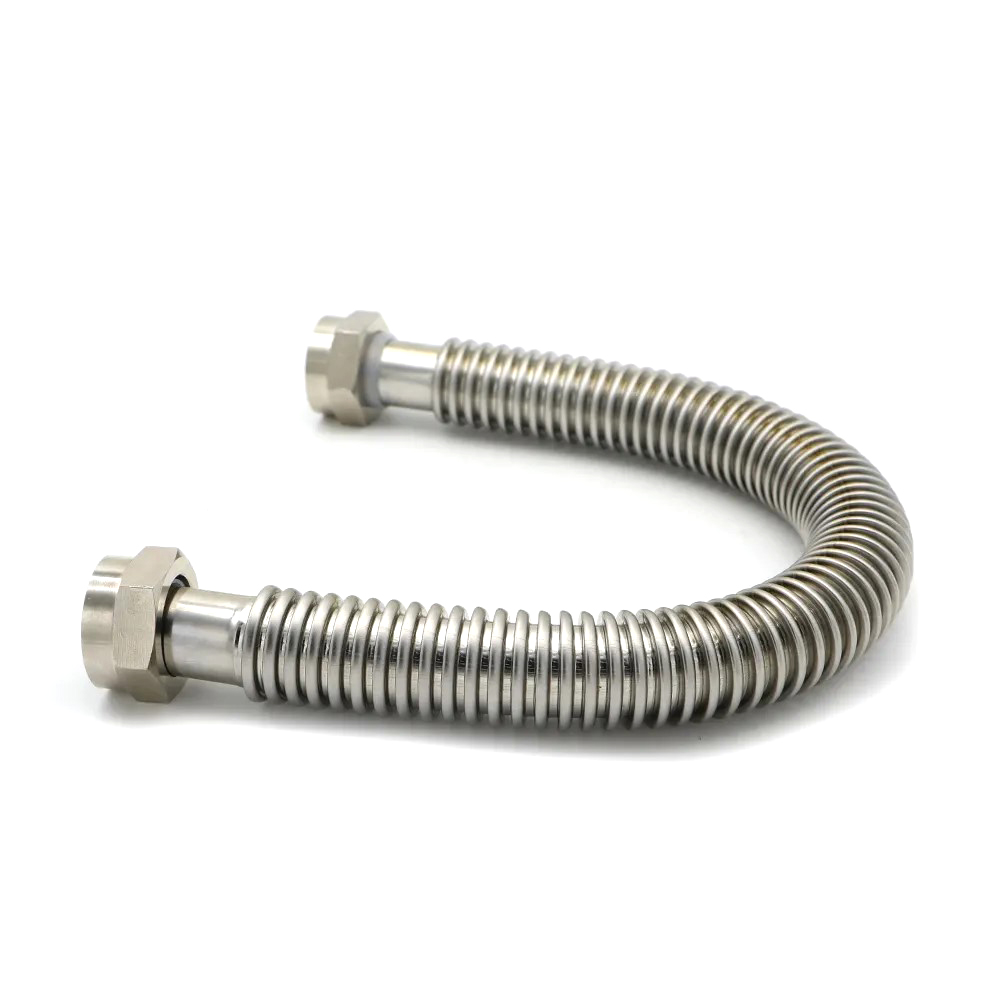
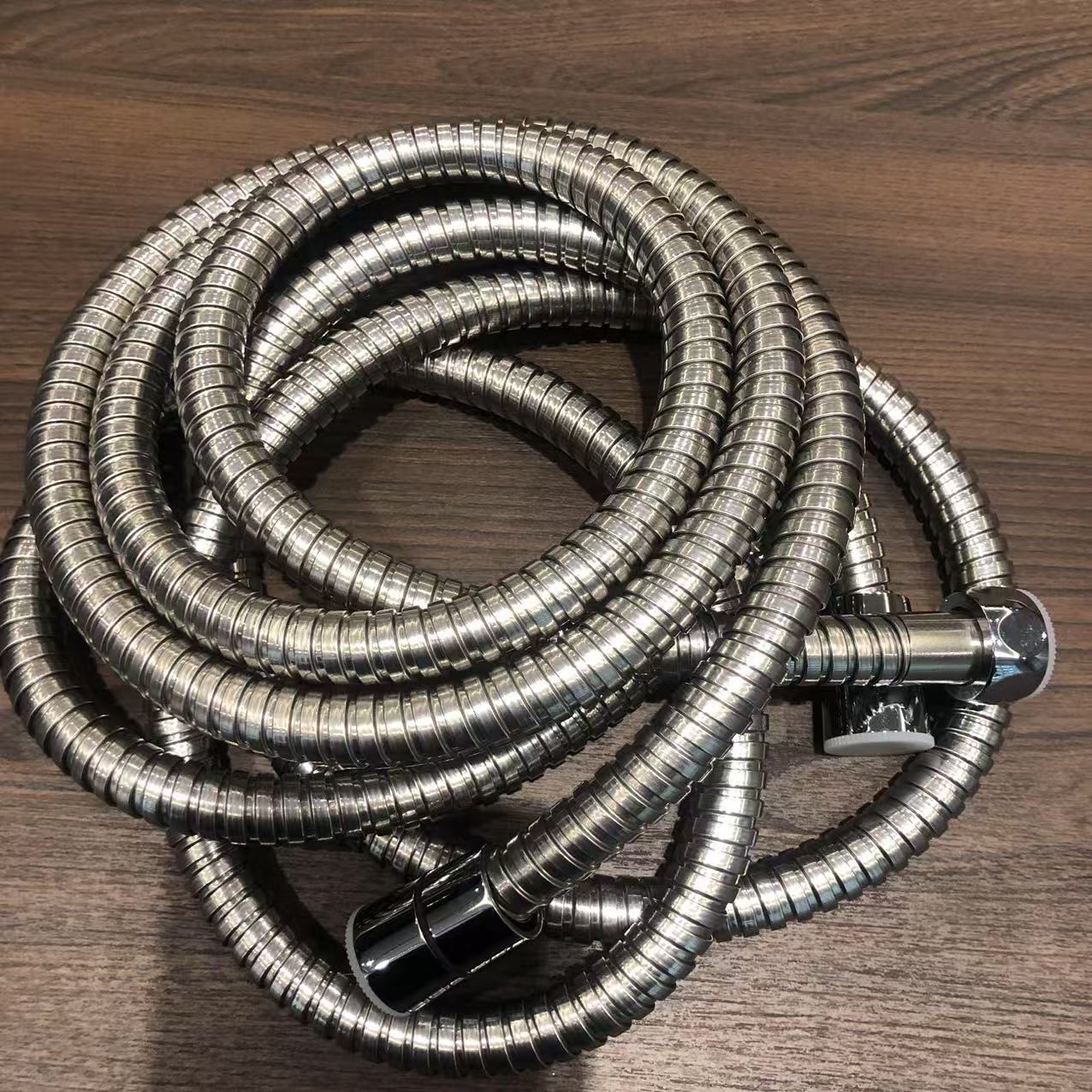
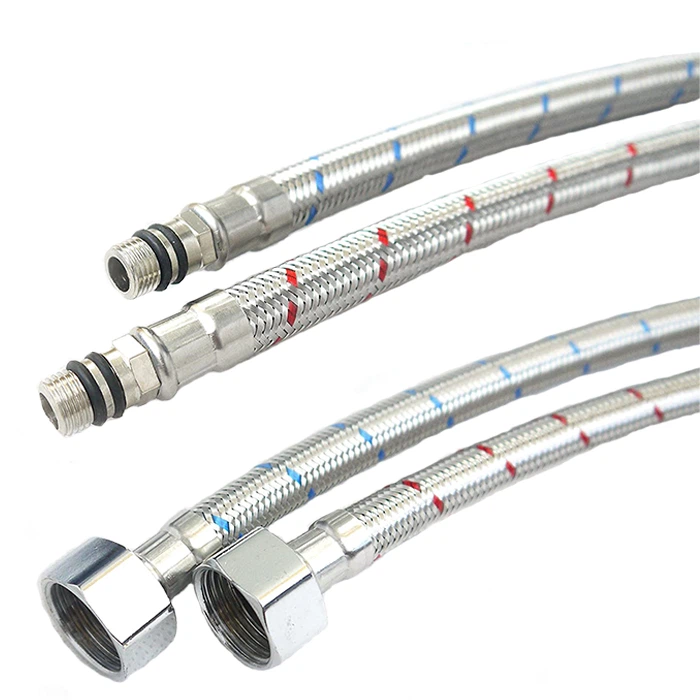
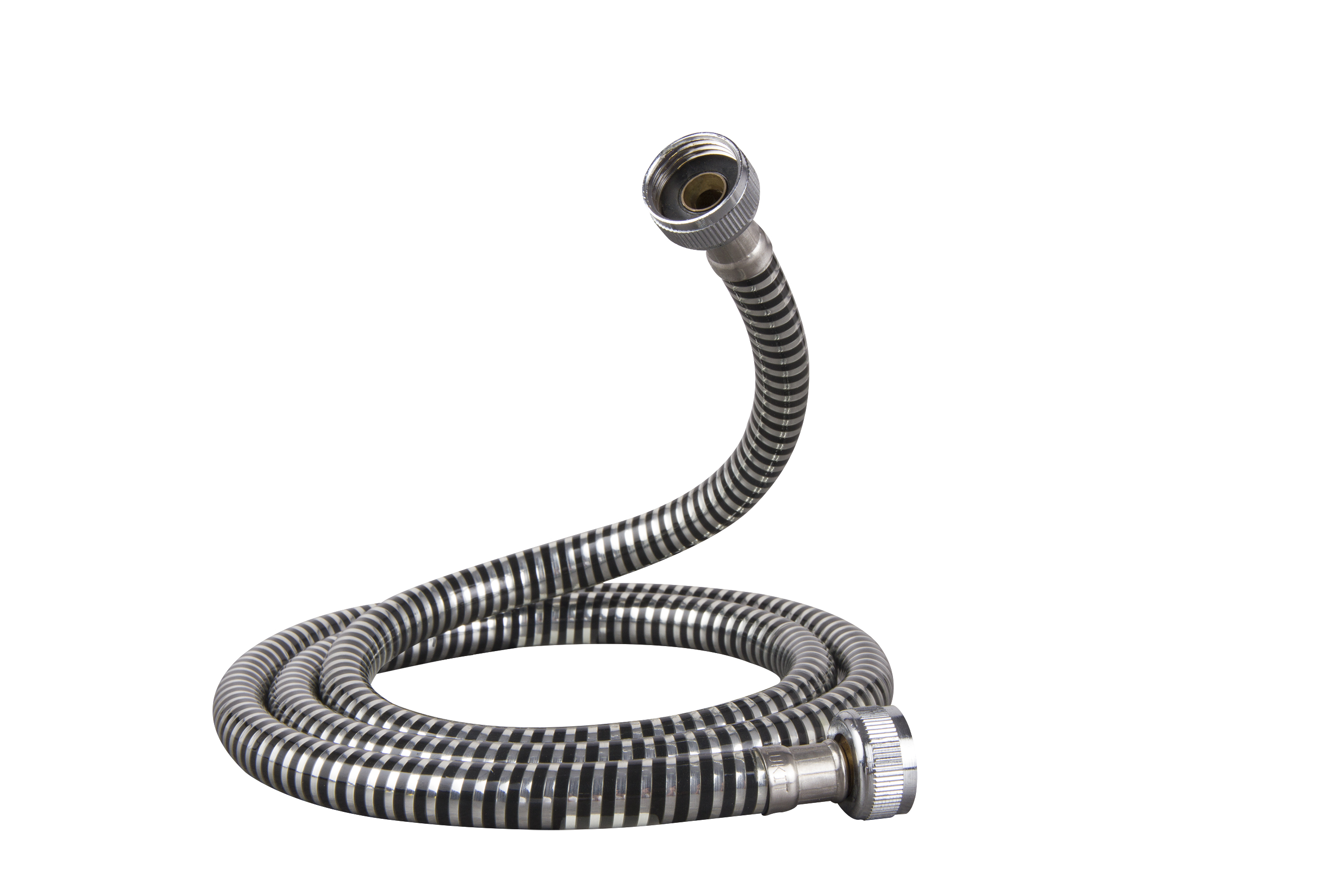
Can a metal pipe be bent like a hose/garden hose?
As a material used in a wide range of industrial, construction, household, and many other applications, the physical properties and uses of metal pipe differ significantly from those of a water pipe or garden hose. Before discussing whether a metal pipe can be bent like a water hose or garden hose, we need to have an in-depth understanding of the nature of the metal material, how it is processed, and the application scenarios.
1. Physical Properties of Metal Pipe
Metal pipes are usually made from iron, copper, aluminum, stainless steel, and other metallic materials that are known for their high strength, good electrical and thermal conductivity, and corrosion resistance. However, one of the basic properties of metals is their rigidity, i.e. they are not susceptible to deformation, especially plastic deformation. This means that a metal pipe that has not been specially treated will not bend as easily as a water pipe or garden hose without breaking or deforming when subjected to external forces. Water pipes and garden hoses are usually made of soft plastic or rubber, which have excellent flexibility and elasticity and can be easily adapted to various bending shapes.
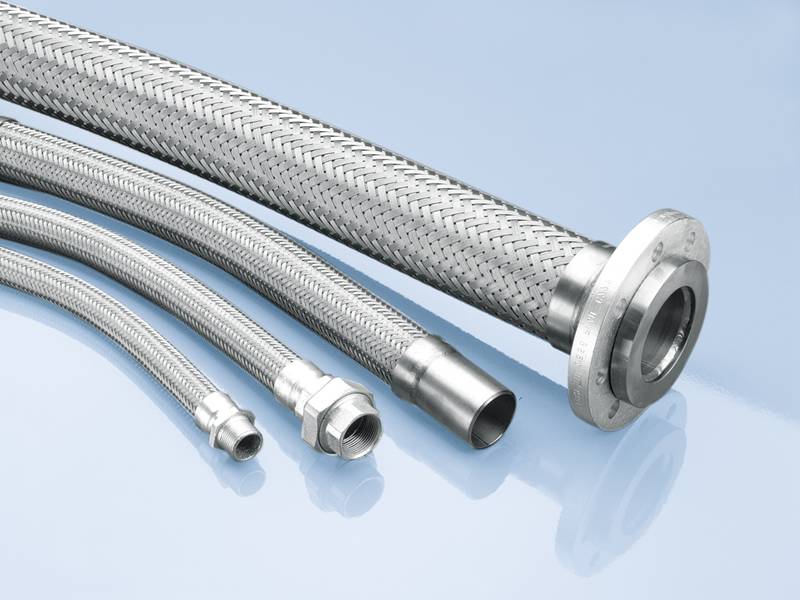
2. Bending of metal pipes
Although metal pipes cannot bend naturally on their own, they can be bent into desired shapes through specific processes and techniques. These processes include, but are not limited to:
Cold Bending: A bending machine is used to apply pressure to a metal tube at room temperature to bend it along a predetermined path. This method is suitable for thinner-walled tubes and metals with good ductility.
Hot bending: By bending metal pipes in the heated state, heating can reduce the hardness of the metal, increase its plasticity, easy to bend without rupture. This method is commonly used for thick-walled tubes or high-hardness metals.
Filler-assisted bending: fill the tube with sand, salt, or other granular materials to prevent the wall from collapsing during bending. This method is suitable for large-diameter metal pipes.
Three-point bending: Utilizing two support points and one force application point, precise bending of metal tubes is achieved by accurately controlling the position of the force application point and the support point.
3. Application Scenarios and Limitations
The bending of metal tubes is widely used in a variety of fields such as automobile manufacturing, aerospace, pipeline engineering, and furniture manufacturing. For example, in automotive manufacturing, complex exhaust systems require metal tubes to be able to bend according to specific paths; in pipeline engineering, metal tubes need to be bent in order to bypass obstacles or adapt to building structures.
The bending of metal pipes is not without limits. Excessive bending can lead to metal fatigue, cracking, or even fracture, especially in areas of stress concentration. In addition, the process parameters (e.g., bending radius, angle, speed, etc.) during bending have a significant impact on the final performance of the metal pipe and need to be strictly controlled.
Metal tubes cannot be bent as naturally and easily as water pipes or garden hoses, but they can be precisely bent to meet a variety of complex design and application requirements through specific processing techniques and technologies. When considering the bending of metal pipe, it is important to understand its material properties, select the appropriate bending method, and follow strict processing specifications to ensure product quality and safety.