
Can you use flexible pipes for the water heater?
As an indispensable household appliance in modern families, the installation of water heaters and the choice of connecting pipes are directly related to the use of safety and efficiency. The choice of water heater connecting pipe, especially whether to use flexible pipe, is a question worthy of in-depth discussion.
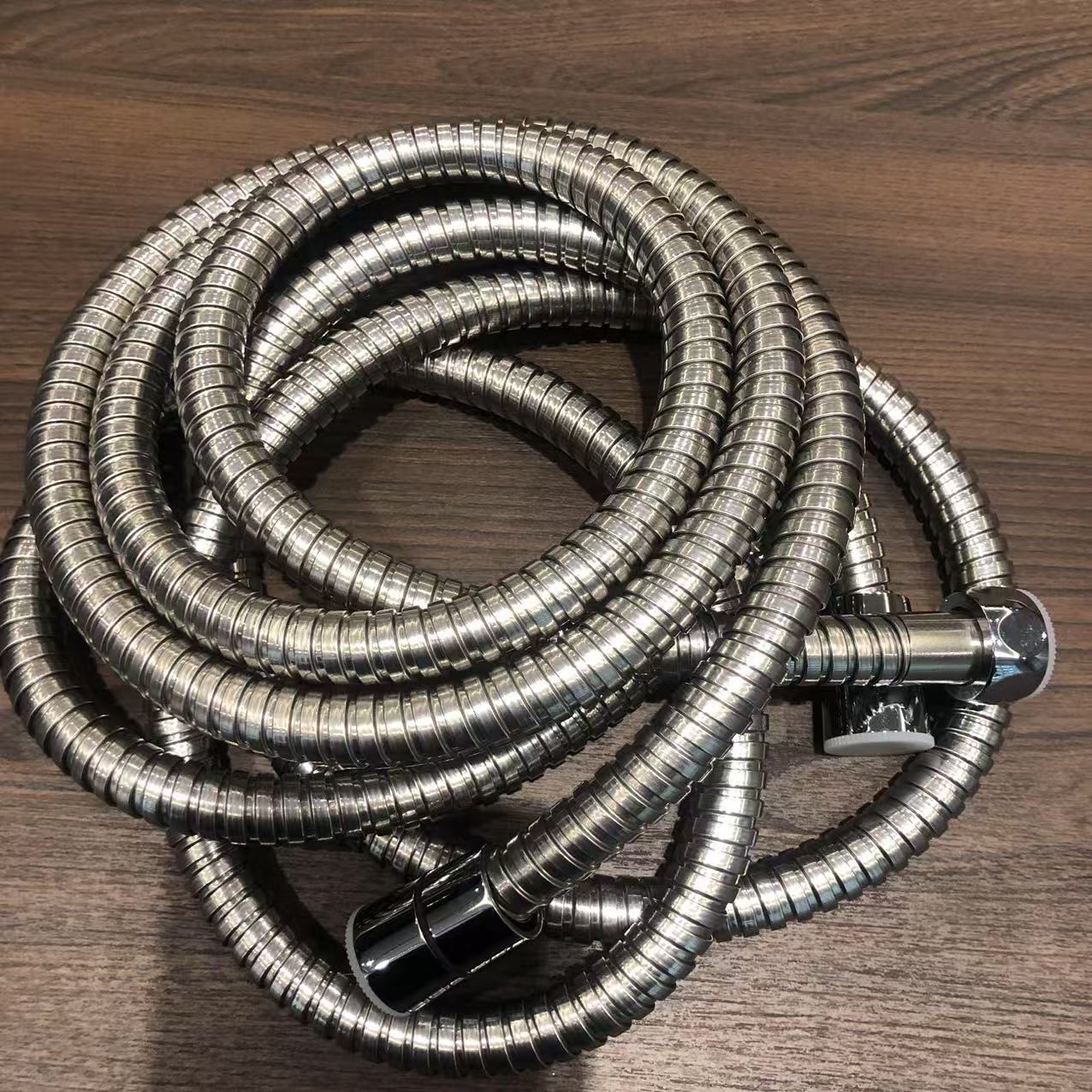
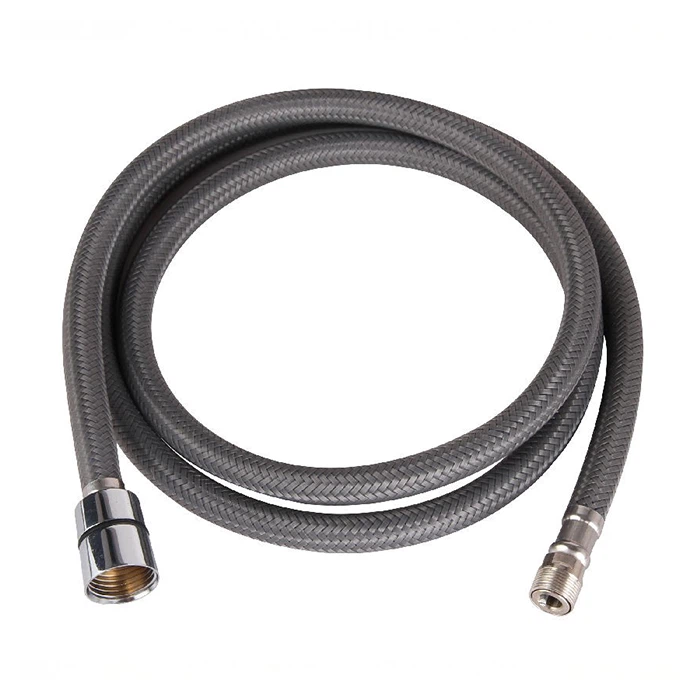
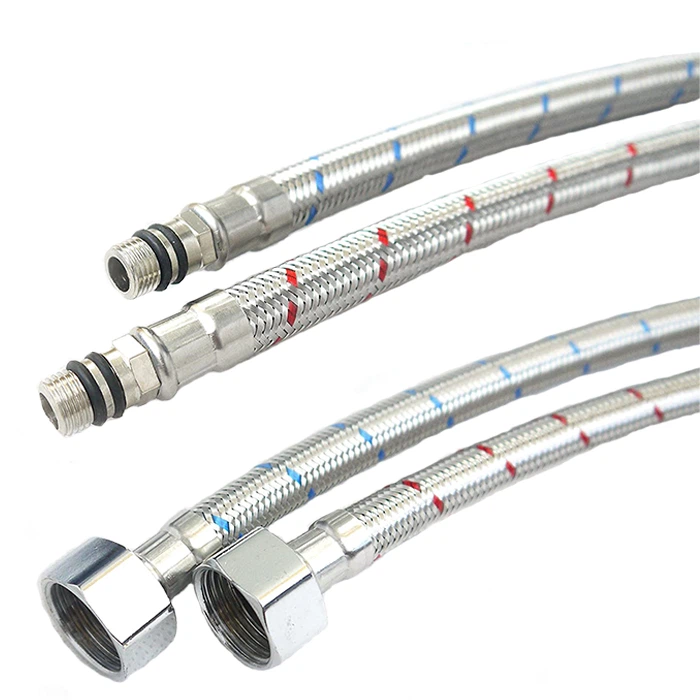
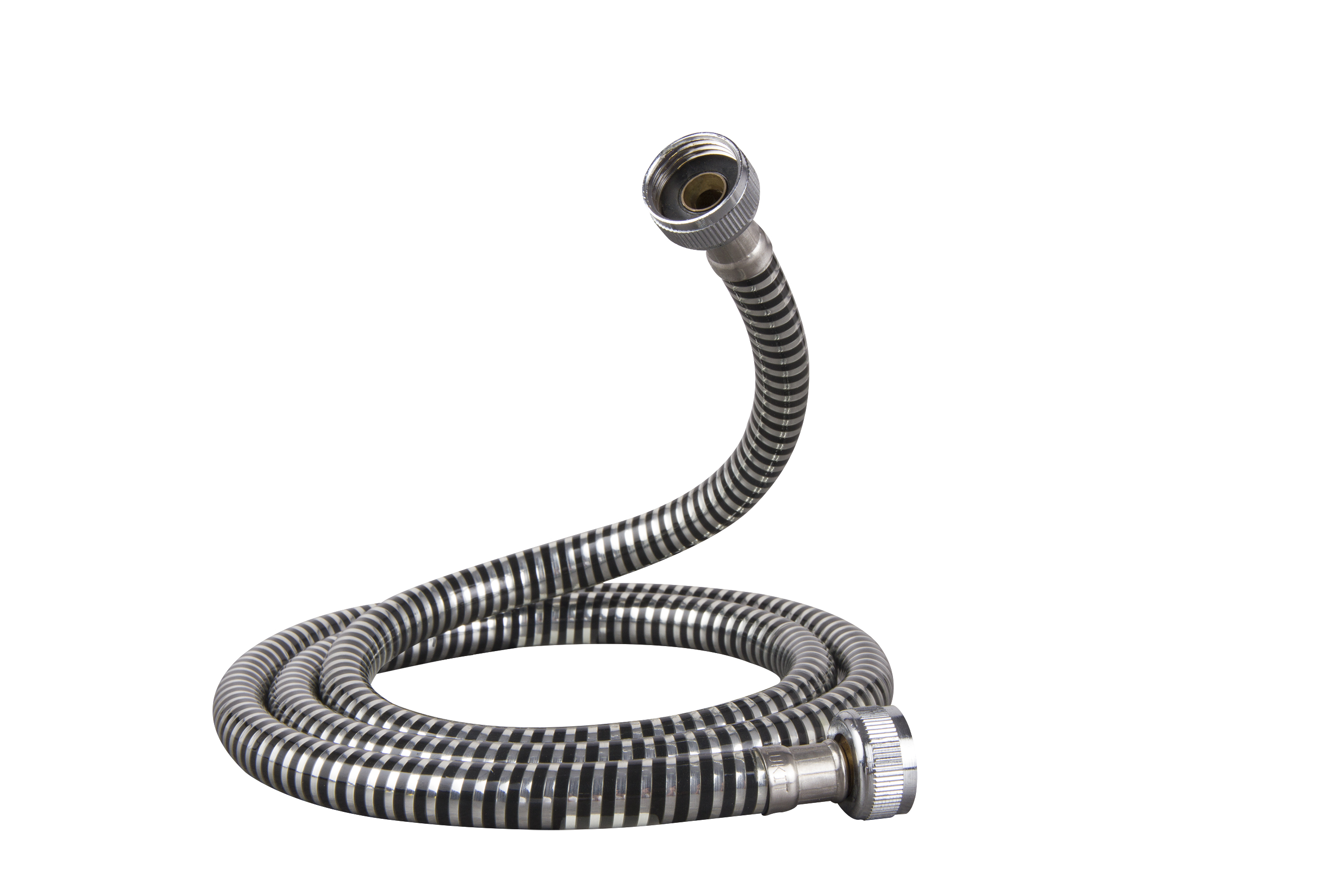
Water heater connecting pipes are mainly divided into two categories: flexible pipes and hard pipes. Flexible hose is often used to connect water heaters with hot and cold water pipes because of its advantages of flexibility, pressure resistance, and acid and alkali resistance. It can be adapted to a variety of complex piping systems, avoiding the resistance and non-adaptability brought about by hard pipes, and is simple and convenient to install, easy to maintain, and replace.
There are some obvious disadvantages of hose:
1. the service life of the hose is relatively short and easy to age, and rupture, which may lead to water leakage, affecting indoor safety.
2. the pressure resistance of the hose is poor, once ruptured, the pressure of the water flow may be released instantly, causing damage to the water heater and its connected piping system.
3. Hoses have poor drainage capabilities and prolonged use may result in water pooling, which can affect the effectiveness of the water heater.
Despite the convenience of hoses, water heater manufacturers commonly specify that rigid piping, such as copper or steel pipe, should be used for connections and do not recommend the use of hoses. This is for safety and equipment stability reasons. Hoses may leak when connected, and if the leaking water enters the interior of the water heater, it will potentially lead to safety hazards such as short circuits, electrical malfunctions, and even explosions. The hot water output temperature of the water heater is high, which is easy to cause damage to the hose, leading to rupture of the hose, which can lead to leakage and cause accidental injury. While rigid pipes such as steel or copper pipes can withstand higher temperatures and will not be damaged by the high temperature of hot water. The use of a hose connection for a water heater may affect the valve of the water heater, which may affect the normal operation of the water heater. If there is an improper connection during the installation of the hose, it is prone to leakage and dislodgement, which may directly damage the valve of the water heater, resulting in the inability to use it properly.
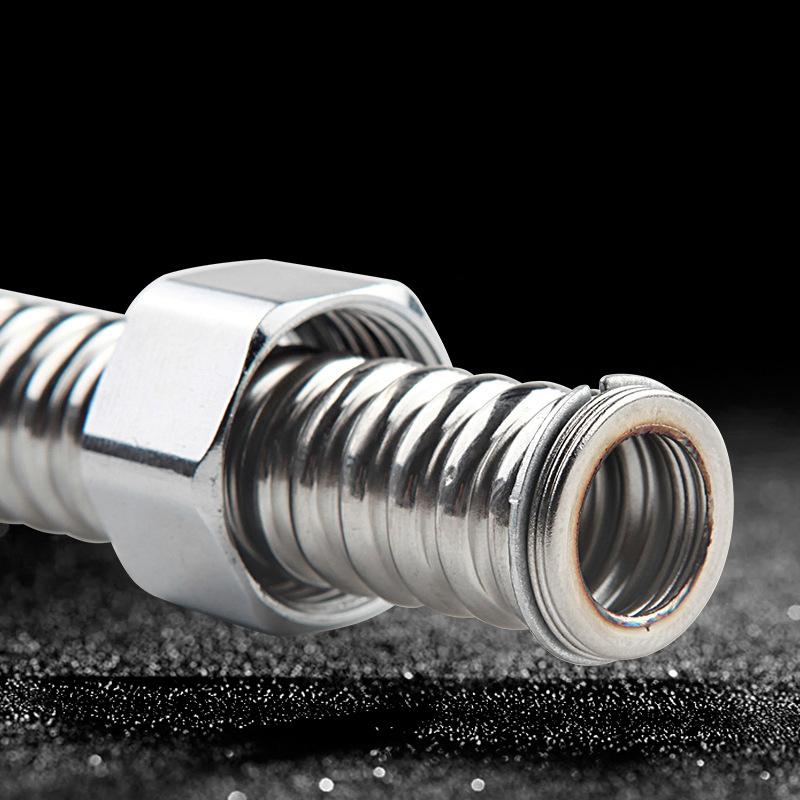
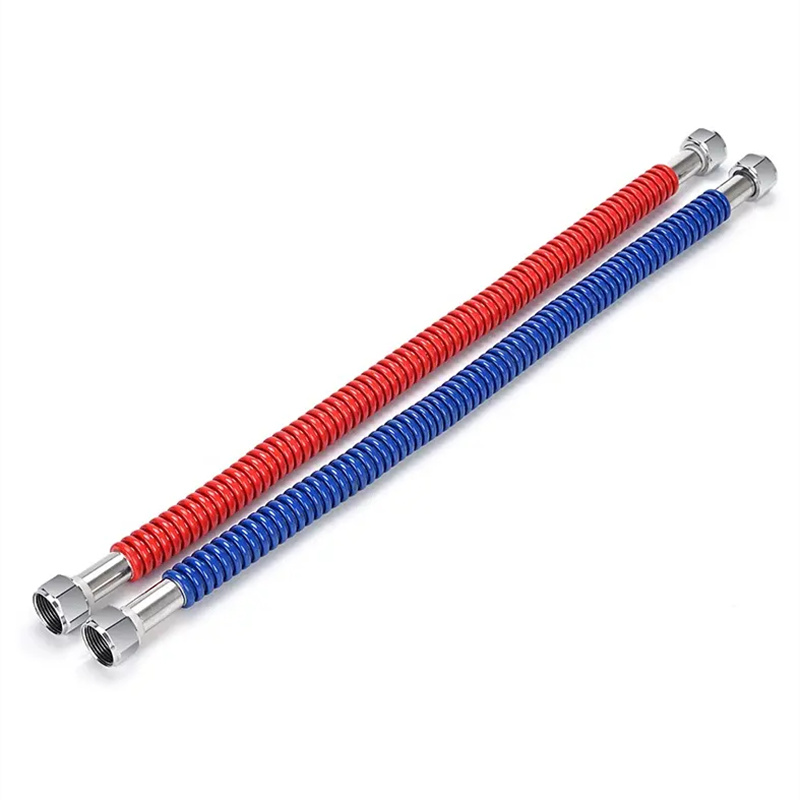
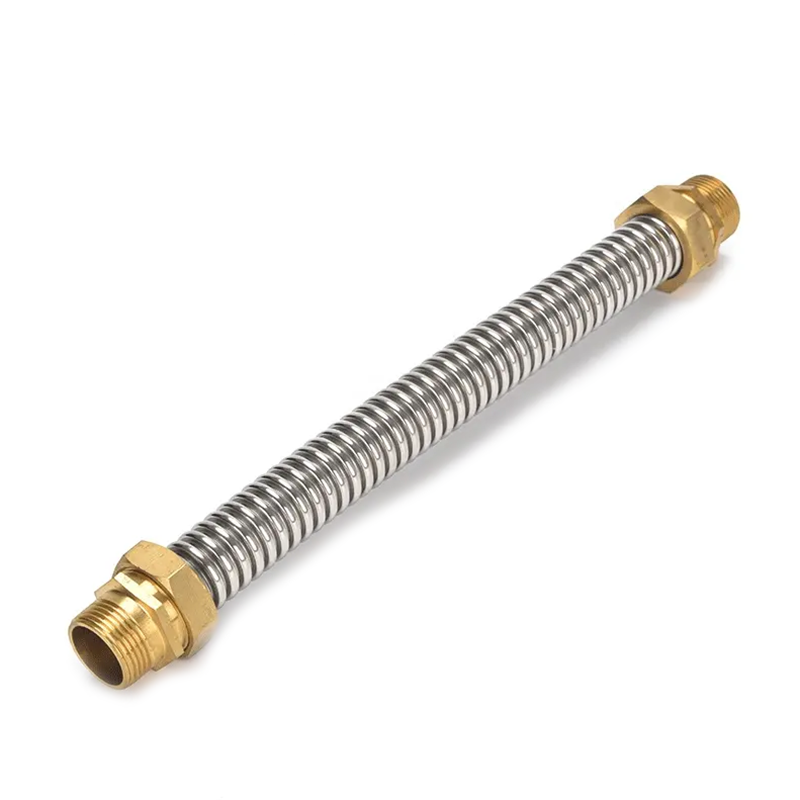
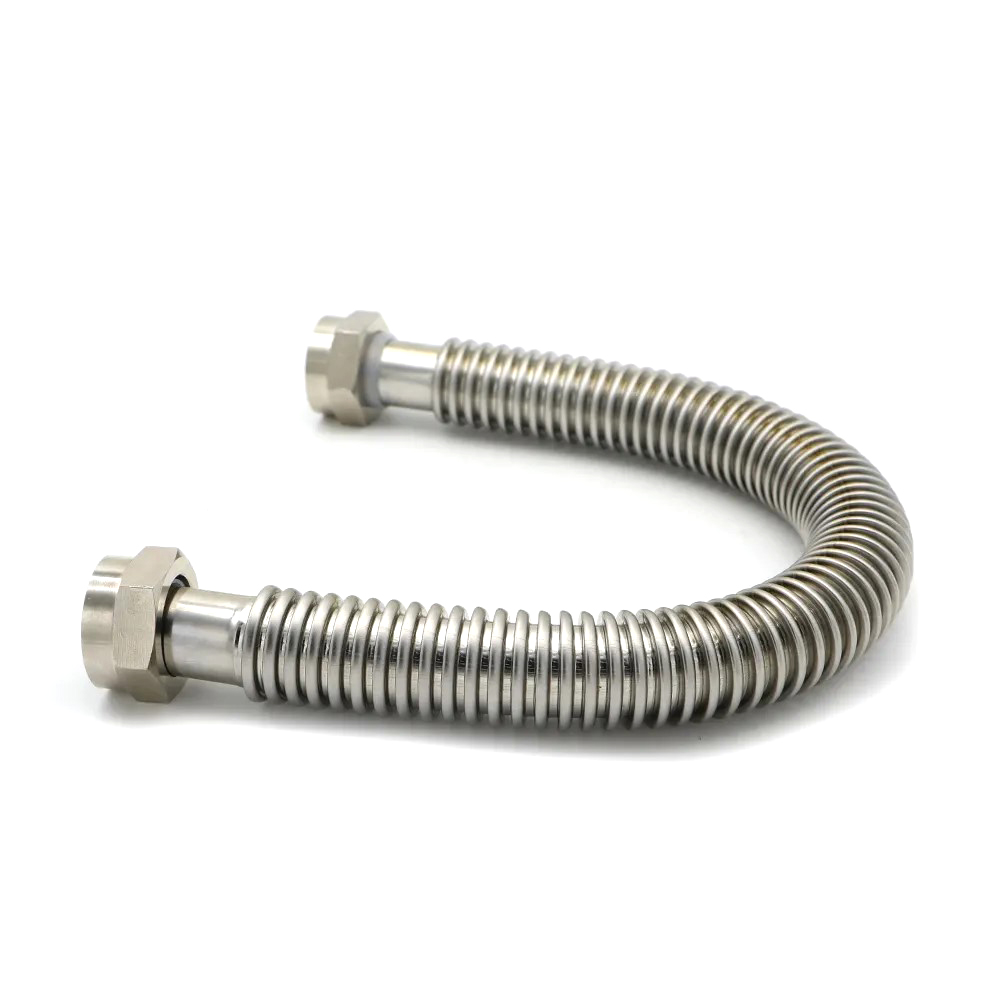
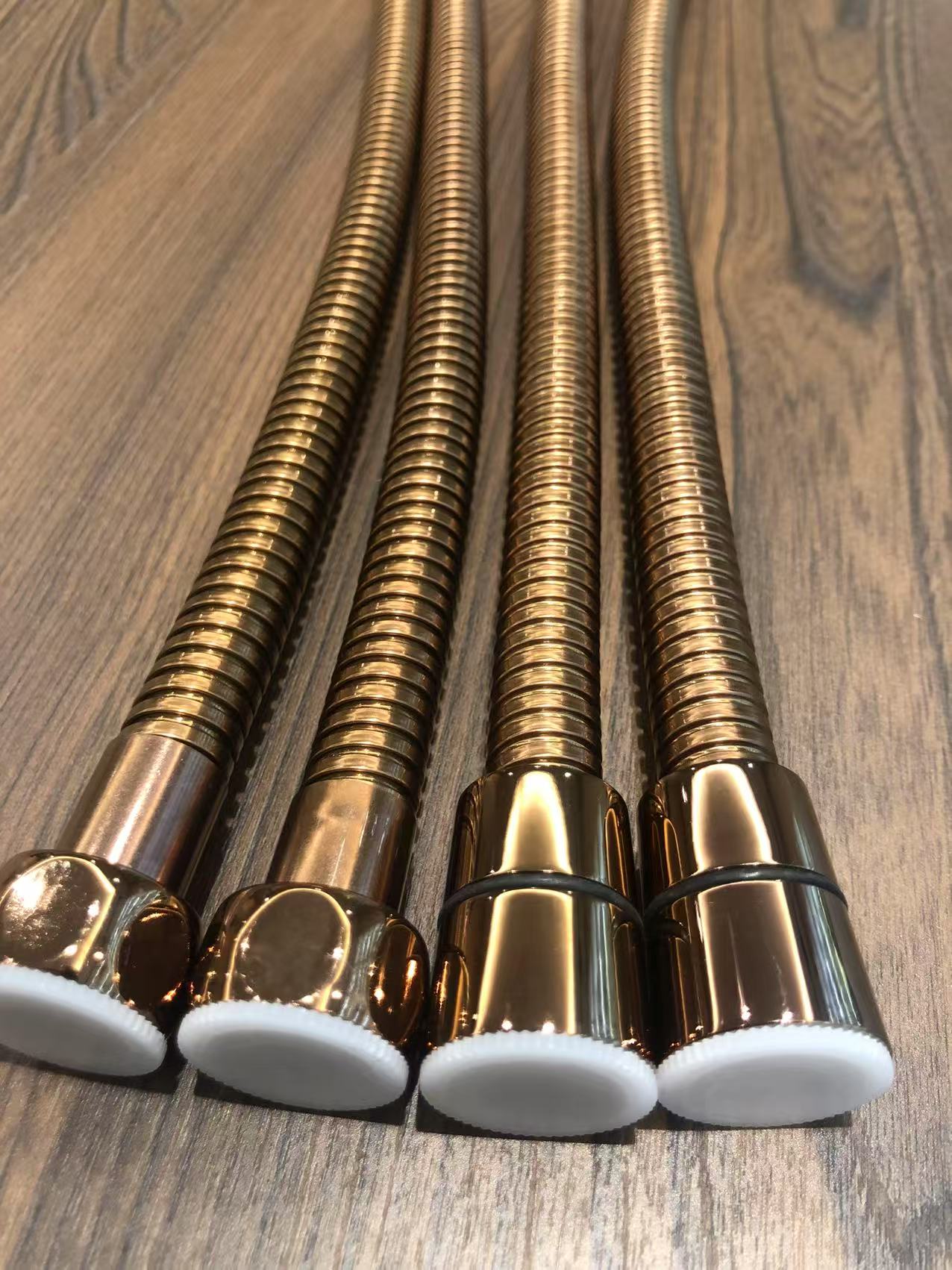
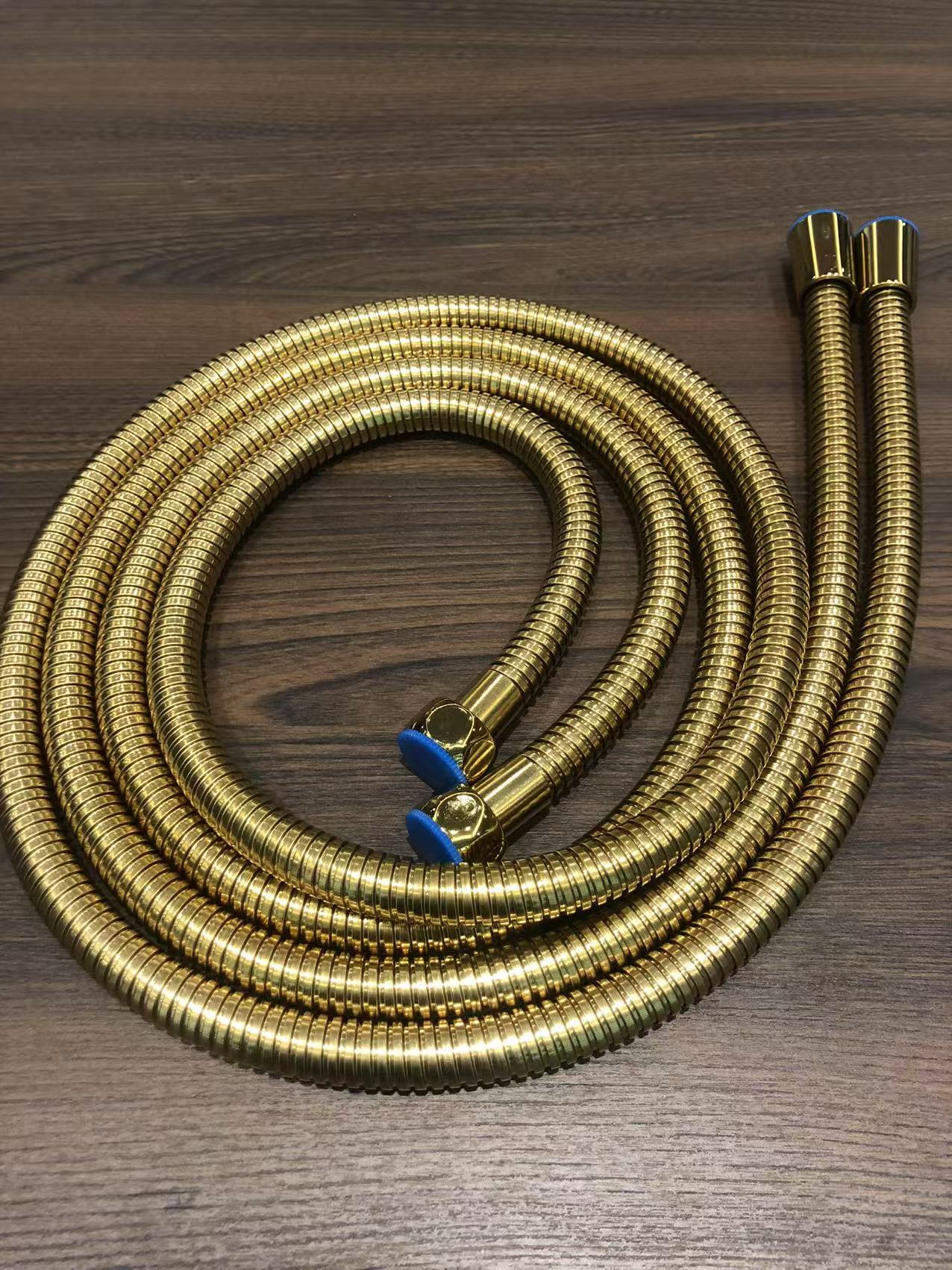
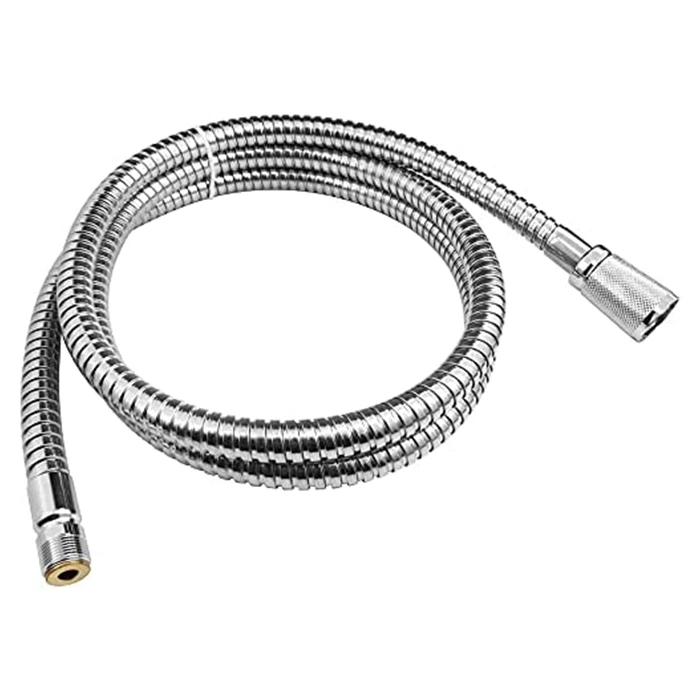
So, is there a flexible pipe that can meet the connection needs of the water heater and overcome the shortcomings of the traditional hose? The answer is yes, this is the stainless steel corrugated hoses. Stainless steel corrugated pipe is flexible, but unlike ordinary hose, its arc can be molded, bending heat does not fold pipe, both corrosion resistance and safety, and open installation does not affect the aesthetics. What's more, the installation of stainless steel bellows is simple and fast, easy to operate, and easy to dock, and can greatly shorten the construction time, thus improving safety. Stainless steel corrugated pipe has a long service life, strong pressure resistance, not easy to aging rupture, can effectively avoid water leakage and other security risks.
Even if you choose stainless steel corrugated pipe such as high-quality flexible pipe, you need to pay attention to the following points in the use process:
1. To ensure that the pipe is connected tightly to avoid leakage. During installation, professional connection tools and materials should be used to ensure that each connection point is firm and reliable.
2. The condition of the pipes should be checked regularly and replaced as soon as problems such as deterioration, rupture, or deformation are detected.
3. When installing the water heater and connecting the pipes, the manufacturer's rules and instructions should be followed to ensure that all the operations comply with the safety standards and requirements.
Although conventional hoses are advantageous in some situations due to their flexibility and ease of installation, rigid piping such as copper or steel tubing and high-quality flexible piping such as stainless steel bellows are safer and more reliable choices for high-temperature and high-pressure equipment such as water heaters. When selecting and using piping, due consideration should be given to its safety, stability, and durability to ensure the proper operation of the water heater and the user's safety.