
How do you attach a braided hose?
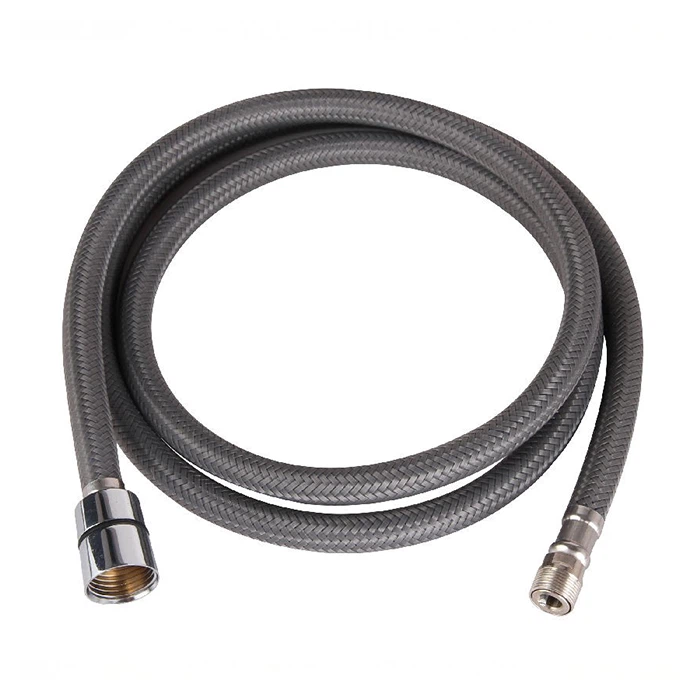
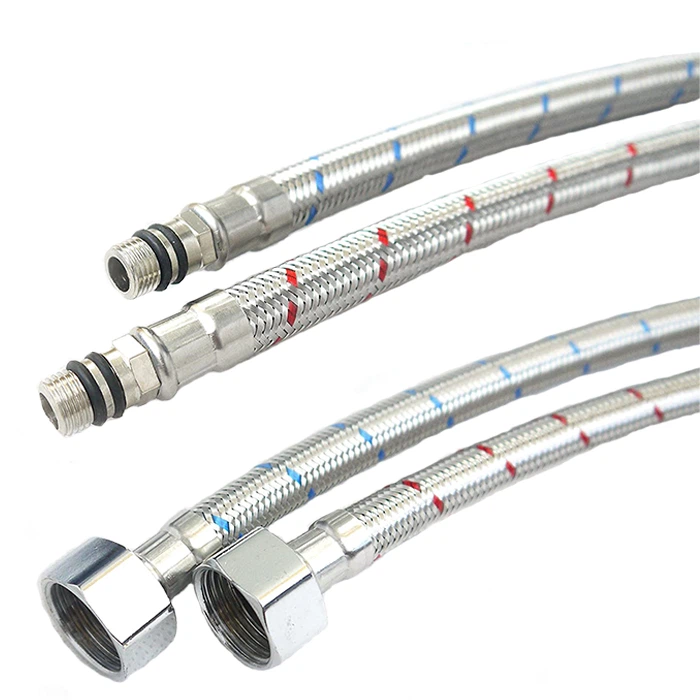
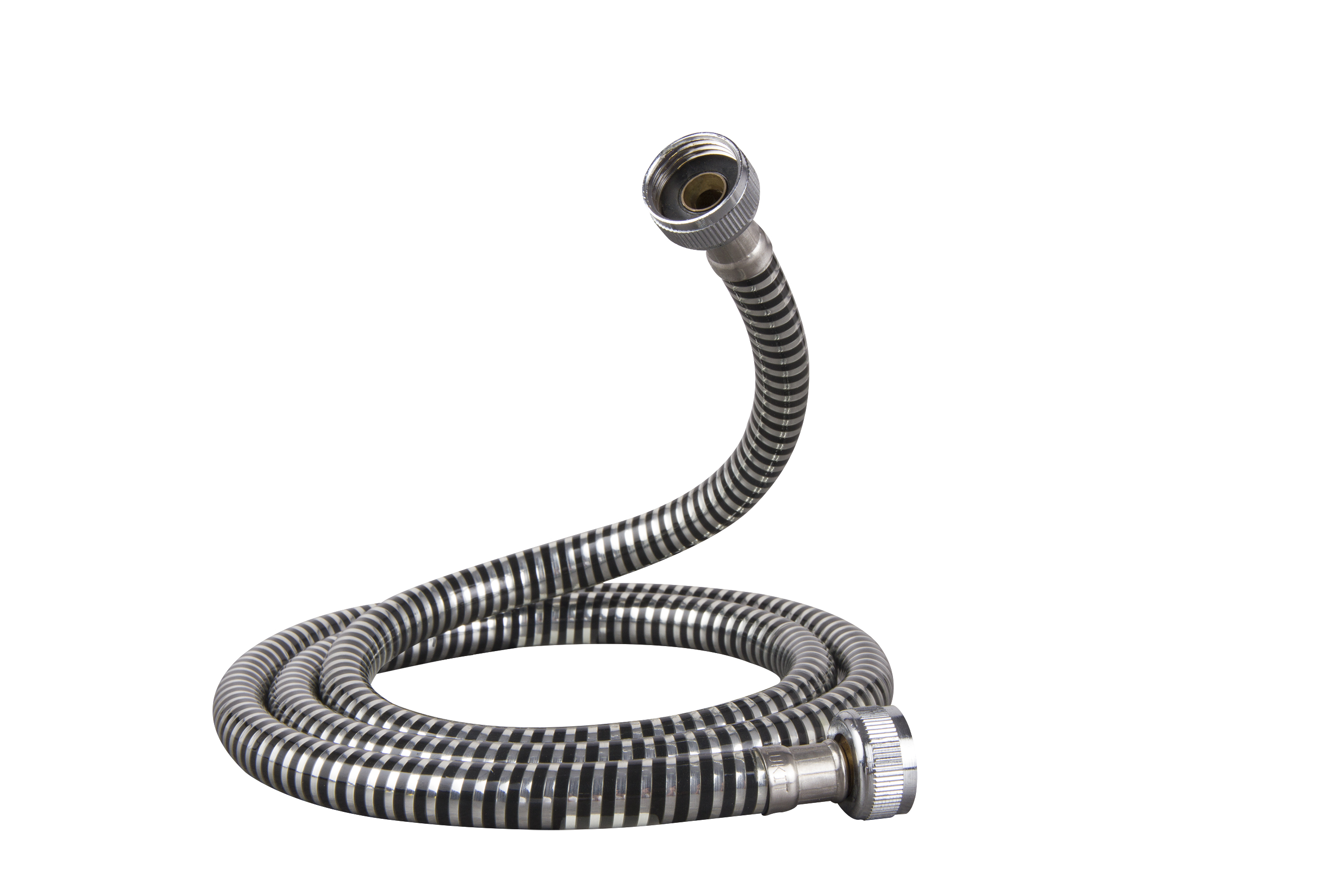
Braided hose is widely used in various liquid and gas transmission systems due to its flexibility, high pressure, and corrosion resistance. Connecting a braided hose is a process that requires careful operation, and the correct connection method not only ensures the stable operation of the system but also extends the service life of the hose. The following are several common ways of connecting braided hose and their detailed steps:
I. Threaded connection
The threaded connection is one of the most common ways of braided hose connection, applicable to small diameter hose.
1. Preparation: Make sure the hose and the connection are clean and free of dirt, and check whether the seal of the hose is intact or not.
2. Wrap the raw material tape: Wrap an appropriate amount of raw material tape around the threaded portion of the hose connection to enhance sealing performance. Pay attention to the raw material tape should be evenly and tightly wound to avoid being too thick or too thin.
3. Connect the hose: align the end of the hose with the faucet or connector and rotate to tighten. Be careful not to use excessive force to prevent damage to the threads.
4. Fix the connection: use a wrench to tighten the connection gently, but do not use excessive force to avoid damage to the threads or deformation of the hose.
5. Check for water leakage: After the connection is completed, turn on the water source and check whether there is any leakage at the connection of the hose. If there is leakage, adjust the tightness of the connection appropriately.
II. Flange connection
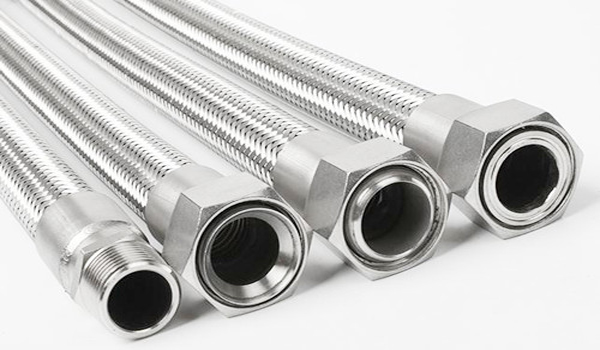
A flange connection is suitable for occasions that require high sealing and solidity.
1. Match the flange ring: match one end of the hose with the flange ring, and make sure the size and shape of the flange ring and the end of the hose are the same.
2. Mounting bolts: Put bolts on the flange ring to fix it to the paired flange. The number and location of bolts should be determined by the specifications of the flange and the pressure requirements of the system.
3. Tighten the bolts: Use a wrench or power tool to tighten the bolts so that the flange is tightly connected to the end of the hose. Be careful to use even force when tightening to avoid localized over-tightening leading to flange deformation or leakage.
III. Quick coupling connection
Quick coupling is a convenient and fast connection method, suitable for occasions requiring frequent replacement or maintenance.
1. Prepare the coupling: choose a quick coupling that matches the hose specification, and make sure the coupling has a sealing ring and connector.
2. Insert the hose: Insert the end of the hose into the quick coupling, making sure it fits the sealing ring.
3. Connect the connector: Insert the connector into the hole of the quick coupling and firmly connect the hose to the coupling by rotating the connector.
4. Check the connection: After the connection is completed, gently shake the connector and hose by hand to make sure the connection is firm and not loose.
IV. Welded connection
Welding connection is suitable for situations that require long-term stability and high strength but require specialized welding equipment and techniques.
1. Preparation of fittings: Cut and prepare the end of the hose and the fittings to be connected, make sure the cutting surface is flat and burr-free.
2. Prepare for welding: choose suitable welding material and welding process to ensure welding quality and firmness of connection.
3. Welding: Welding the cut hose end with the pipe fittings together, pay attention to the welding process to control the welding temperature and welding time, to avoid overheating or overcooling resulting in degradation of welding quality.
V. Precautions
1. Choose the appropriate connection method: Choose the appropriate connection method according to the actual needs and use of the environment to ensure that the connection is firm, sealed, and reliable.
2. Follow the operation specification: In the actual operation process, the operation specification should be strictly followed to avoid improper operation leading to connection failure or damage to the hose.
3. Regular inspection and maintenance: Regular inspection and maintenance of the connection, timely detection and treatment of potential problems to ensure the stable operation of the system.
There are various ways of connecting braided hoses, each of which has its own characteristics and scope of application. When connecting braided hose, the appropriate connection method should be selected according to the specific situation and the operation specification should be strictly followed to ensure the quality and safety of the connection.