
How do you attach a braided hose?
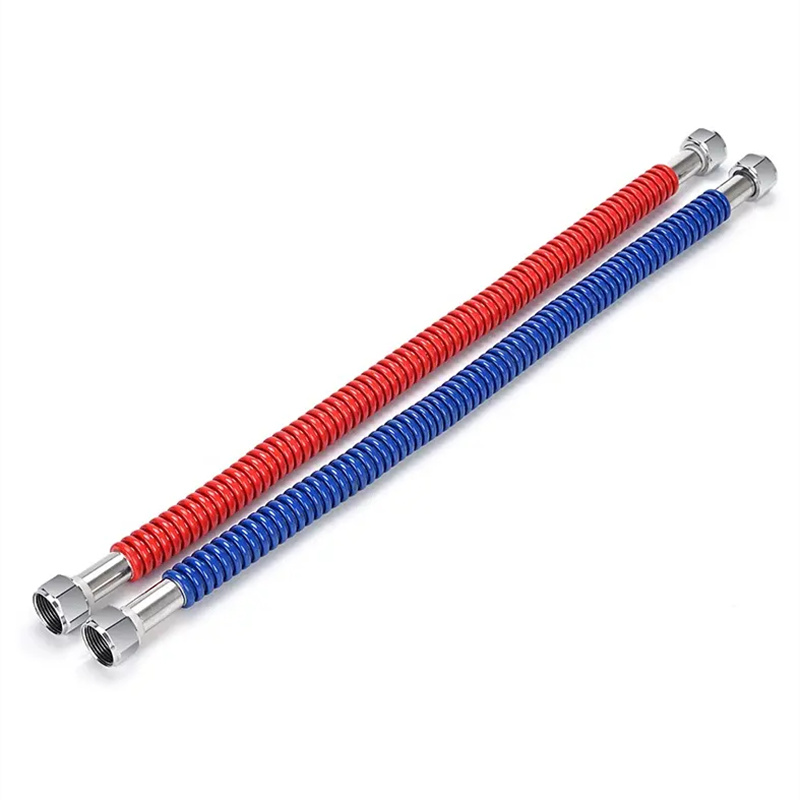
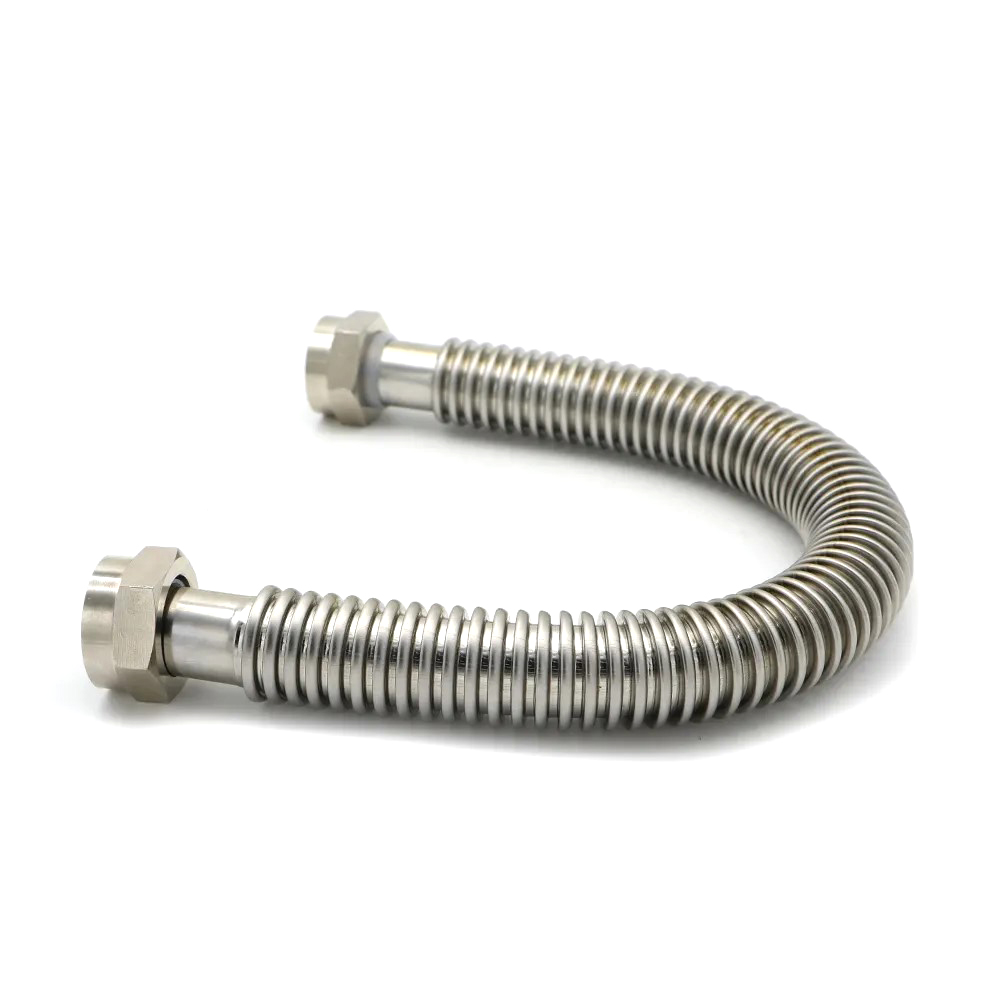
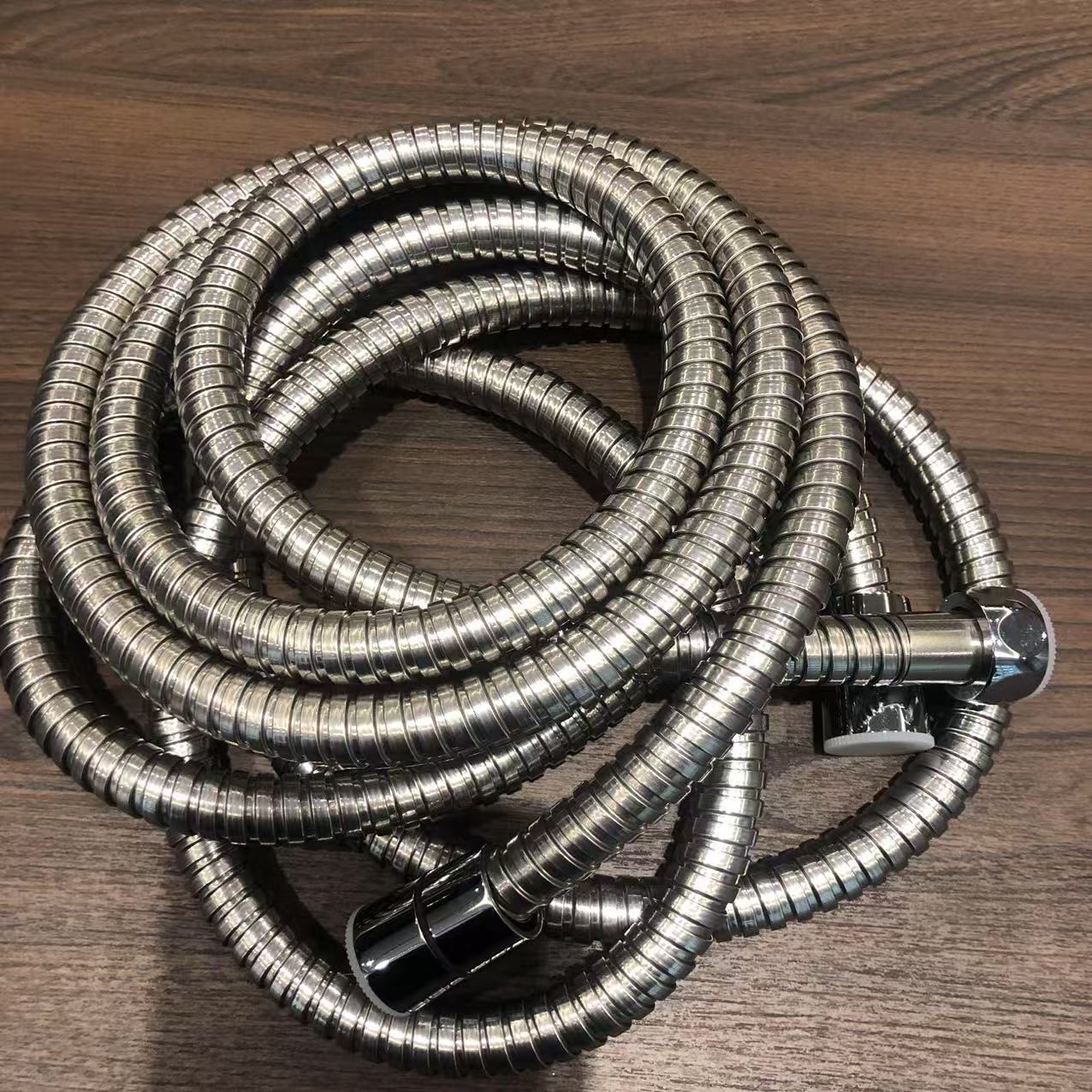
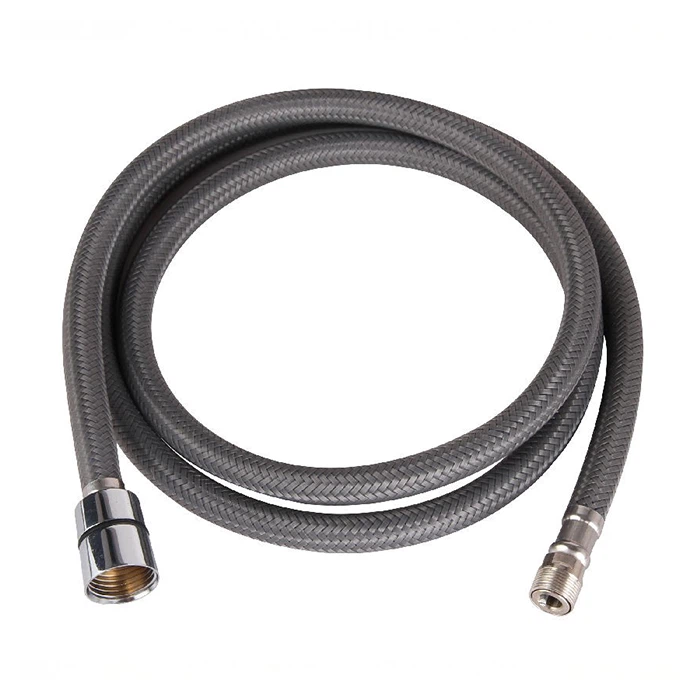
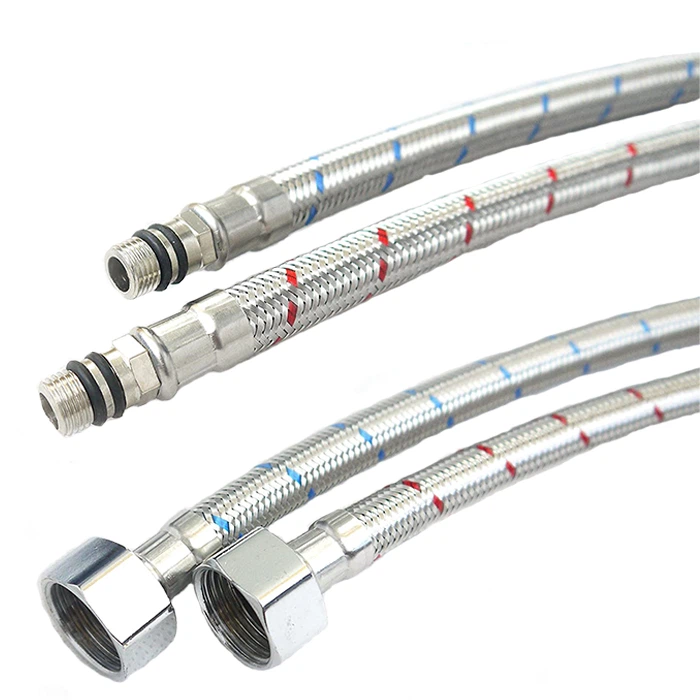
Braided hose is a commonly used piping connection component with many applications in several fields, including water conservancy, chemical, petroleum, machinery manufacturing and construction due to its excellent flexibility, corrosion resistance and pressure resistance. Connecting braided hoses may seem simple, but each step requires meticulous handling to ensure a strong, sealed, safe connection.
I. Methods and steps for connecting braided hose
Preparation
Before connecting a braided hose, you first need to do a good job of preparation. Ensure that the surface of the hose and the connection are clean and free of dirt, especially to check whether the seal of the hose is intact. The integrity of the sealing ring is crucial to the sealing performance after connection.
II. Choose the appropriate connection
There are various connection methods for braided hose, mainly including threaded connection, flange connection, quick coupling connection, and welding connection. The choice of the appropriate connection depends on the specific application and the specifications of the hose.
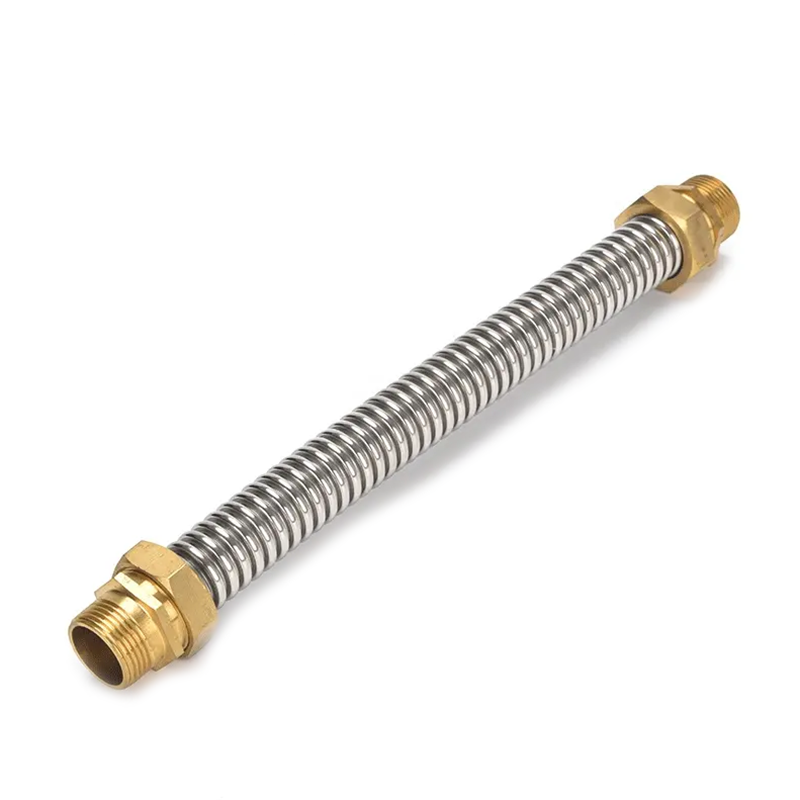
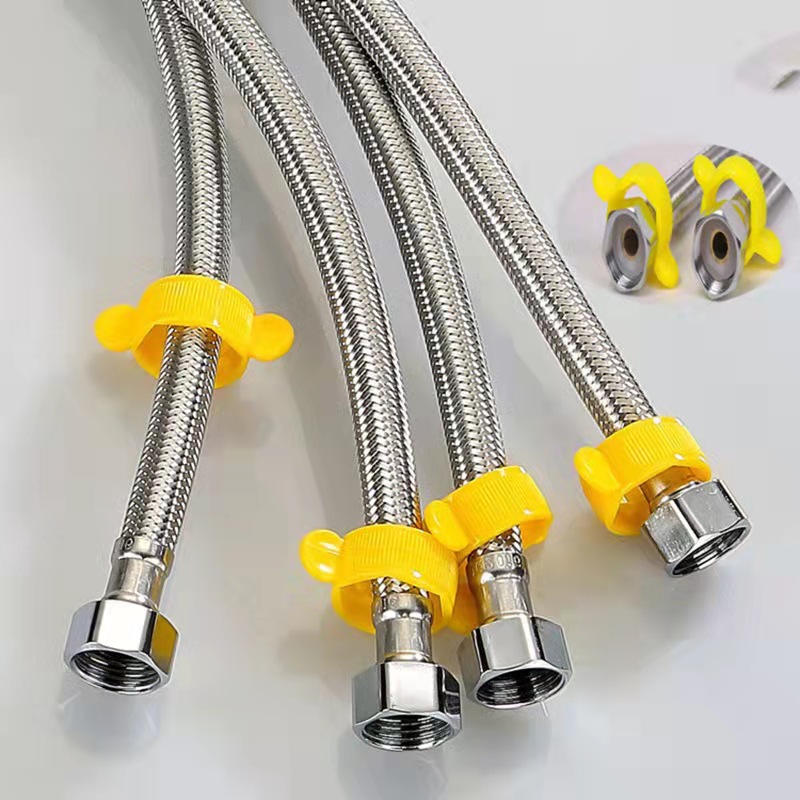
- Threaded connection: Suitable for small diameter hose, by screwing the threaded part of the hose and fittings, the two squeeze each other and form a seal. This method is simple and easy to use but is somewhat dependent on the quality of the threads and their proper use.
- Flange connection: It is necessary to match one end of the hose to the flange ring and then bolt it to the paired flange. This type of connection can provide higher sealing and solidity and is suitable for occasions that require higher strength and sealing of the connection.
- Quick coupling connection: usually consists of two parts, a quick coupling (with a sealing ring) and a connector (with an appliance wire head). By inserting the end of the hose into the quick coupling and then rotating the connector, the hose can be firmly connected to the coupling. This is a convenient way to maintain and replace the hose.
- Welded connections: For situations where long-term stability and high strength are required. After cutting and preparing the end of the hose with the fittings to be connected, it is welded using specialized welding equipment and techniques. This method can provide the highest connection strength, but the operation is more complex and requires specialized skills.
III. The specific operation steps
Take threaded connection as an example, the detailed steps are as follows:
1. Winding raw material tape: Wind an appropriate amount of raw material tape around the threaded part of the hose connection to enhance the sealing performance. The winding direction of the raw material tape should be consistent with the screwing direction of the thread to avoid the raw material tape falling off during the screwing process.
2. Connecting the hose: align the end of the hose with the faucet or connector and rotate to tighten. In the process of tightening, be careful not to exert too much force to prevent damage to the threads.
Securing the connection: Gently tighten the connection with a wrench, but do not over-tighten to avoid damage to the threads or deformation of the hose. Ensure that the connection is tight, but not so tight as to cause damage.
3. Checking for leaks: After the connection is complete, turn on the water source and check the hose connection for leaks. If there is leakage, adjust the tightness of the connection appropriately until there is no more leakage.
IV. Precautions
1. When choosing the connection method and operation, be sure to follow the relevant safety codes and operation manuals to ensure personnel safety.
Different types of braided hoses and connections may have different connection requirements, the product manual should be read carefully to understand the specific steps and precautions.
2. When using welded connections, appropriate protective measures are required to prevent welding sparks and high temperatures from harming the surrounding environment and personnel.
3. Regular inspection and maintenance of the hose connection to ensure that it maintains good sealing and solidity.
In conclusion, connecting braided hoses is a task that requires careful handling and specialized knowledge. By choosing the right connection method and following the correct procedures and precautions, you can ensure that the hose connection is secure, sealed and safe.