
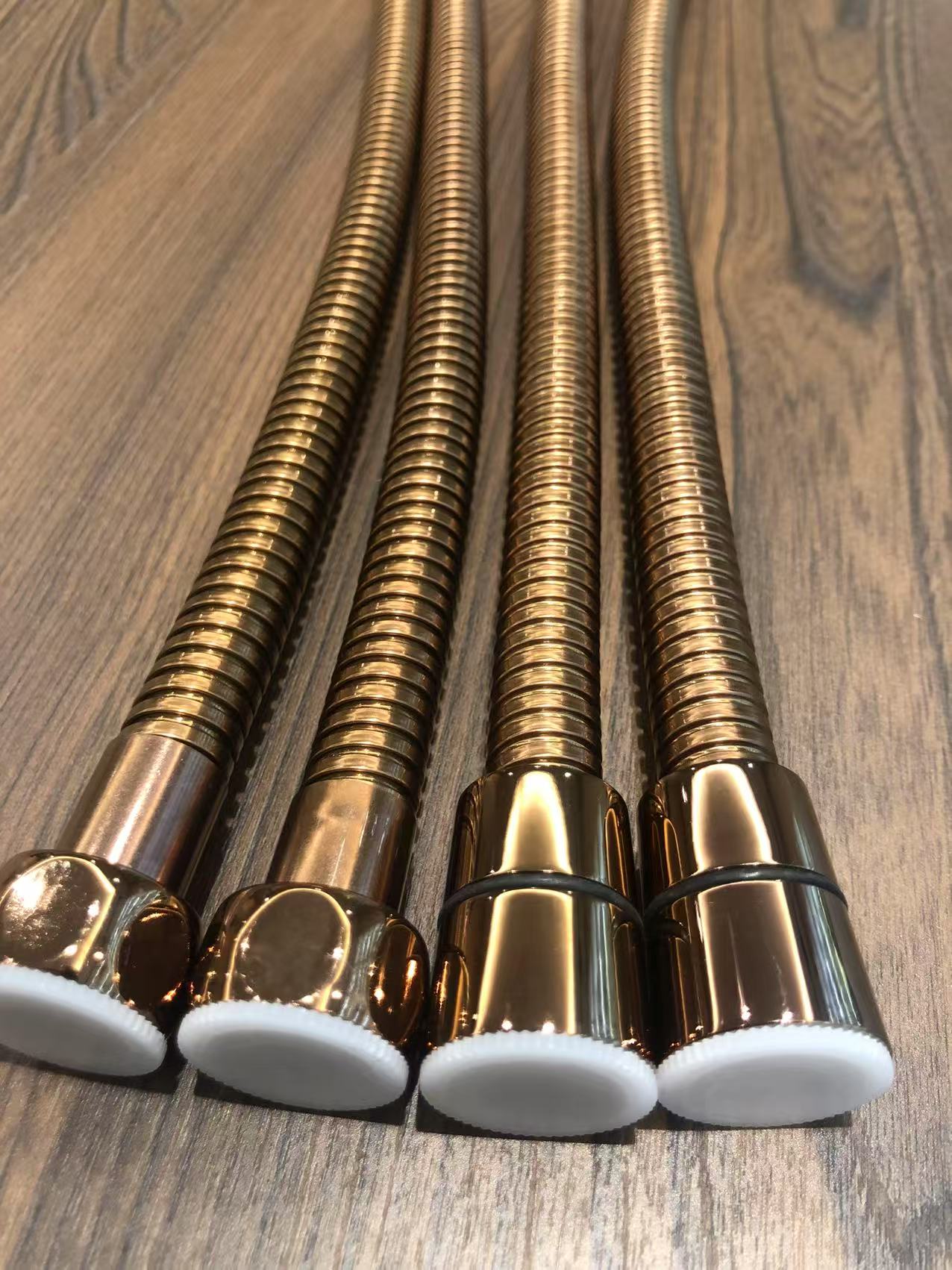
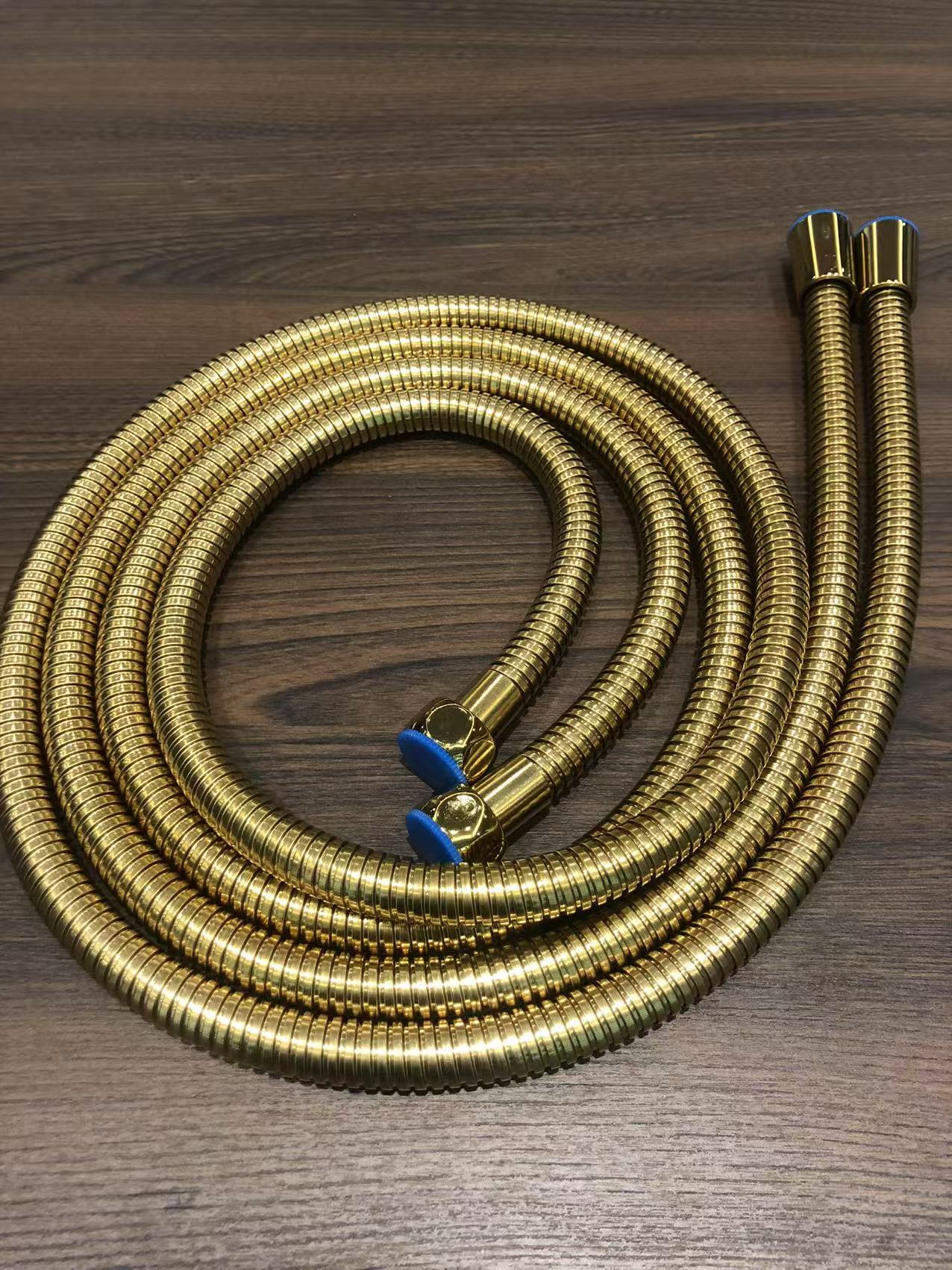
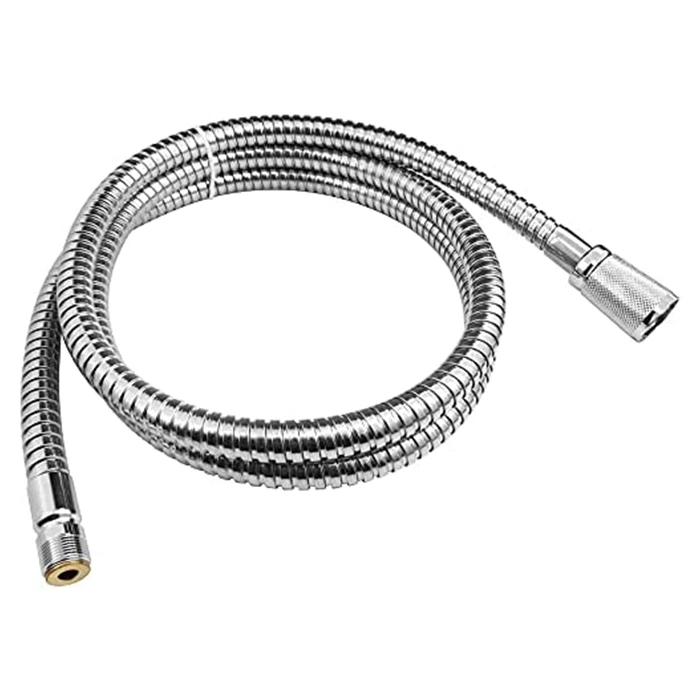
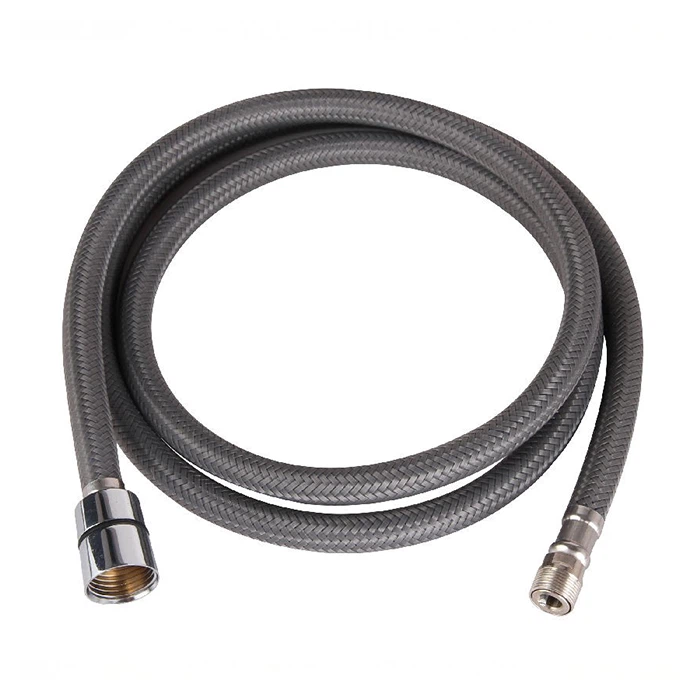
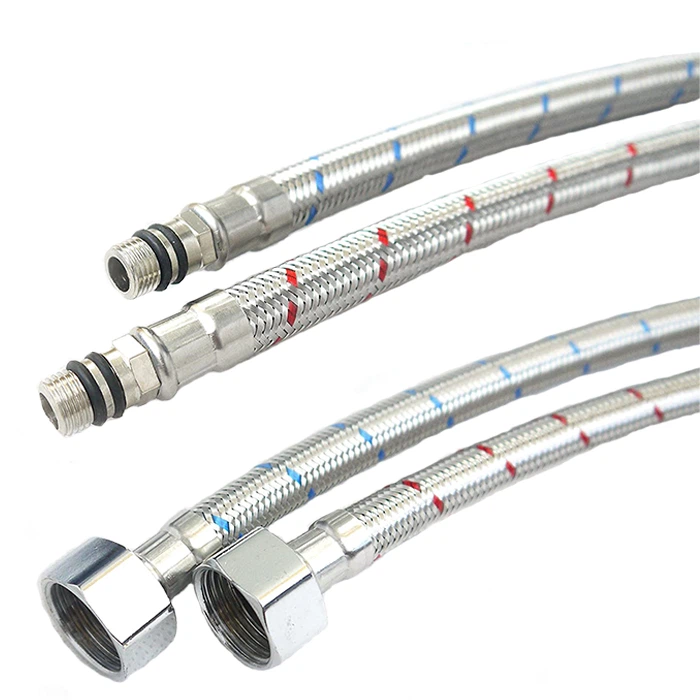
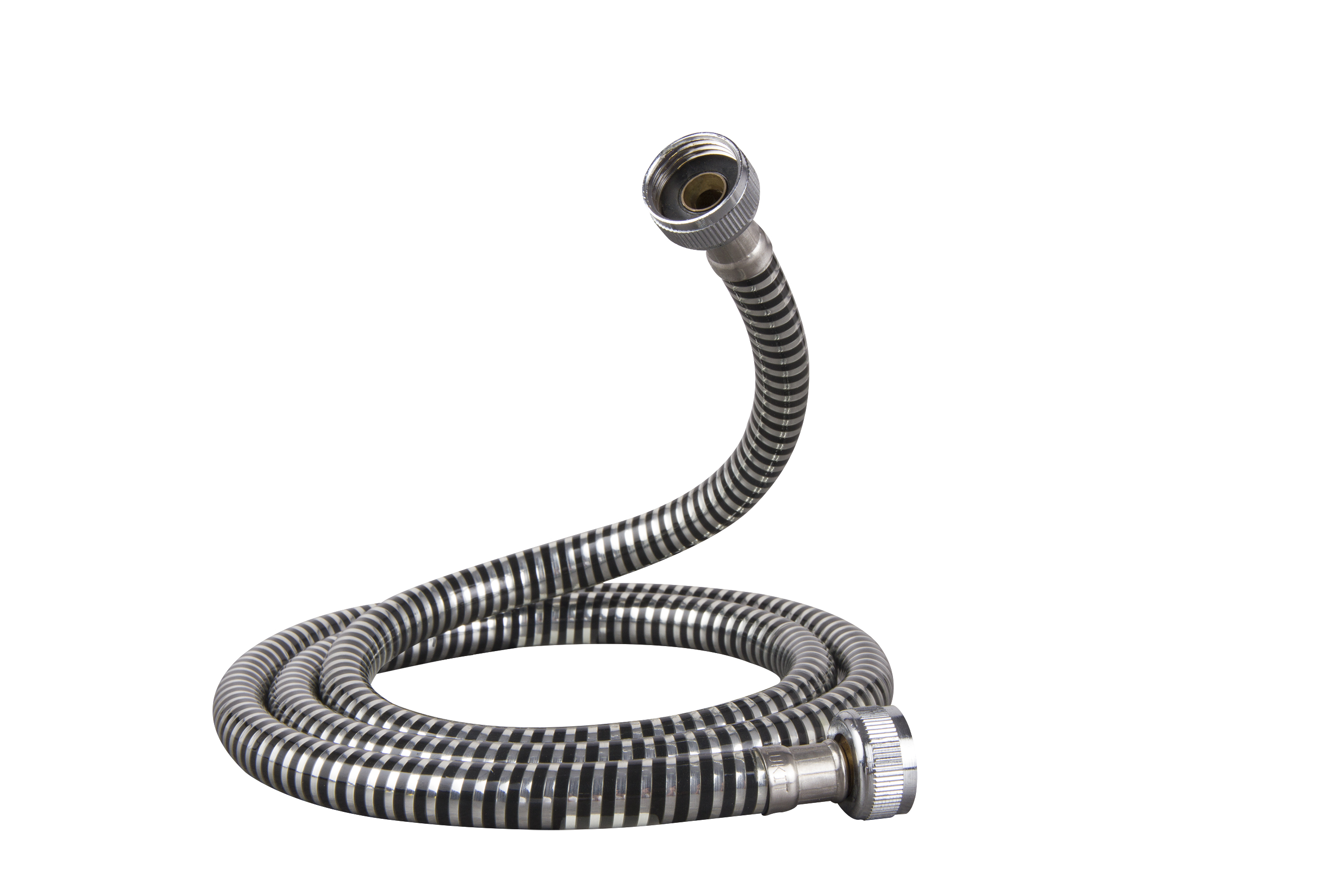
How do you crimp a stainless steel braided hose?
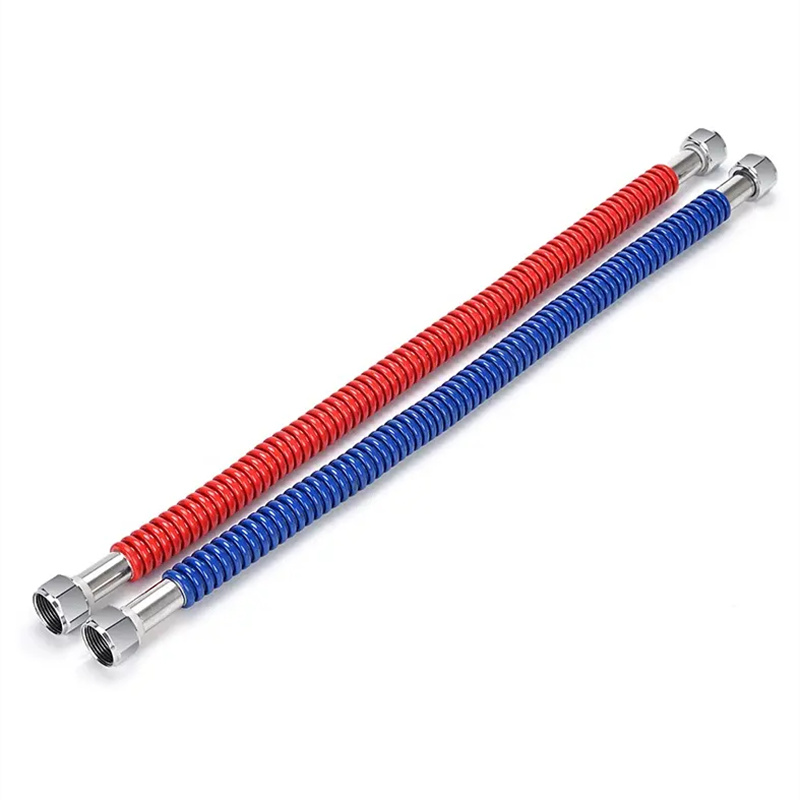
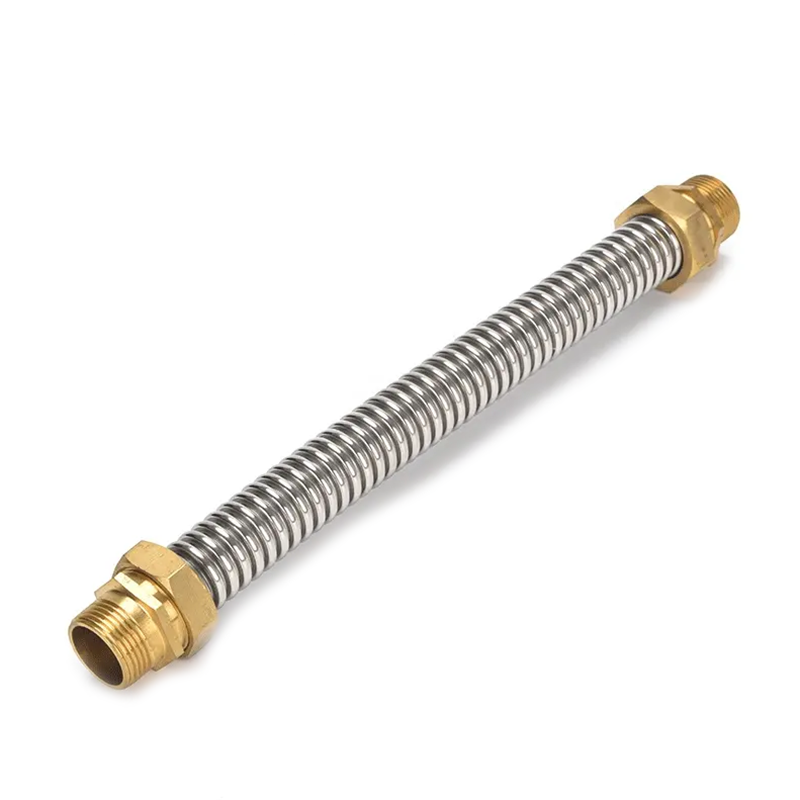
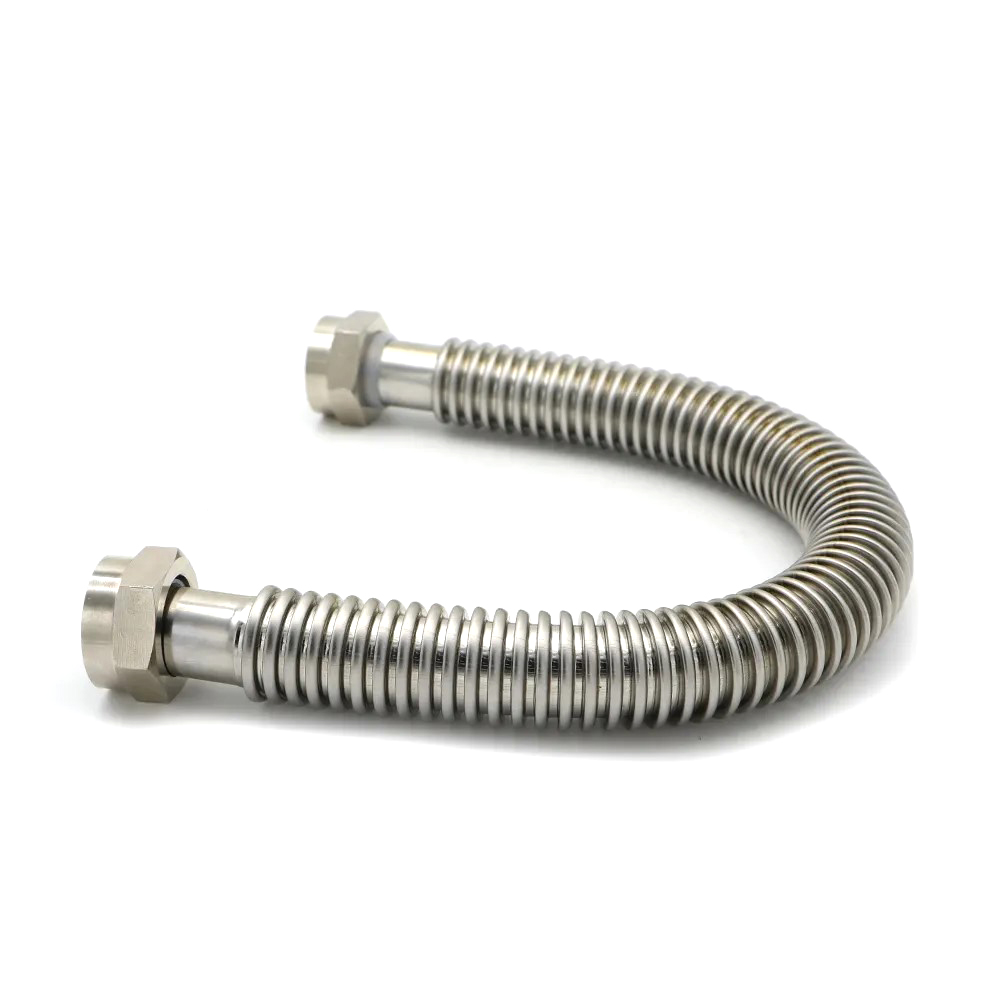
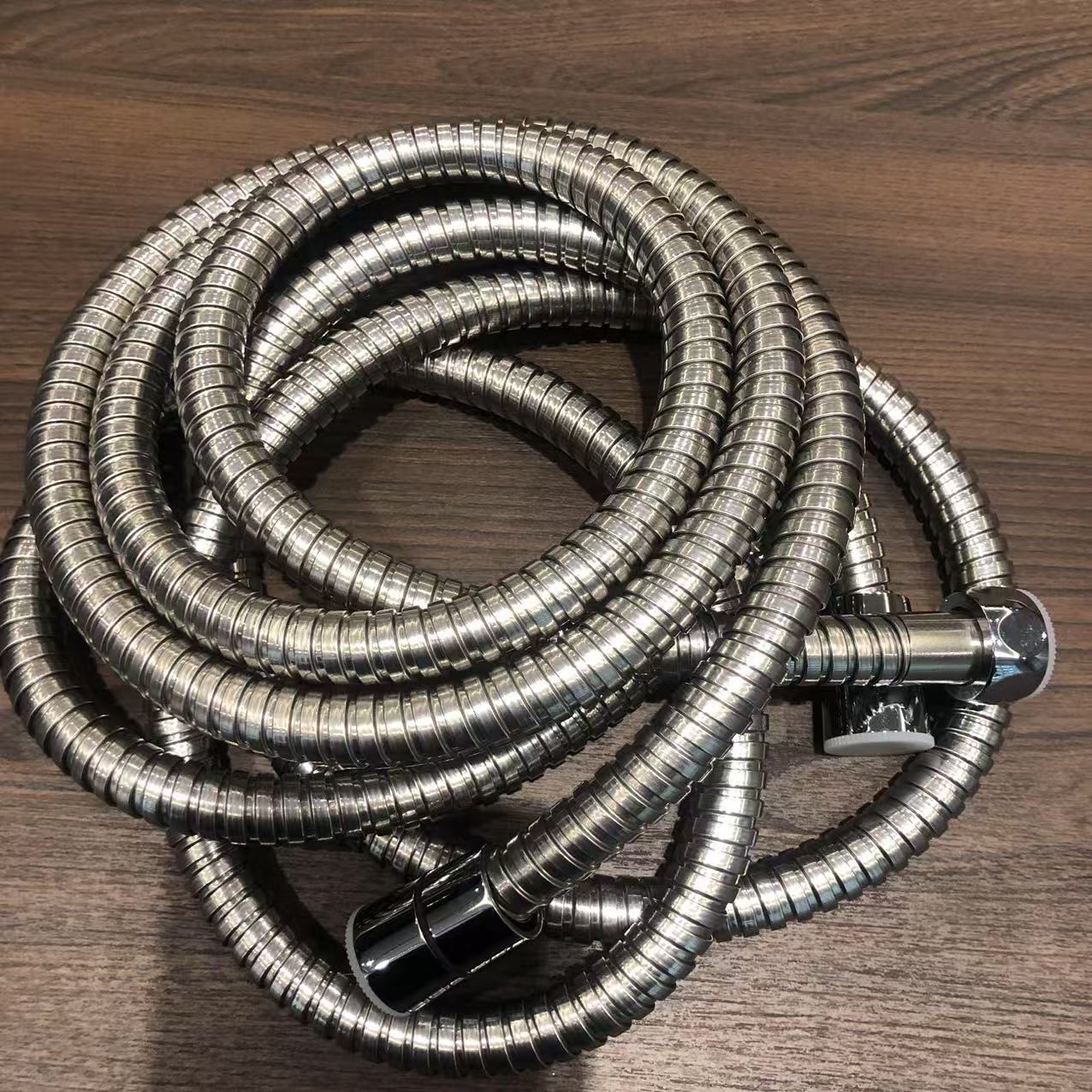
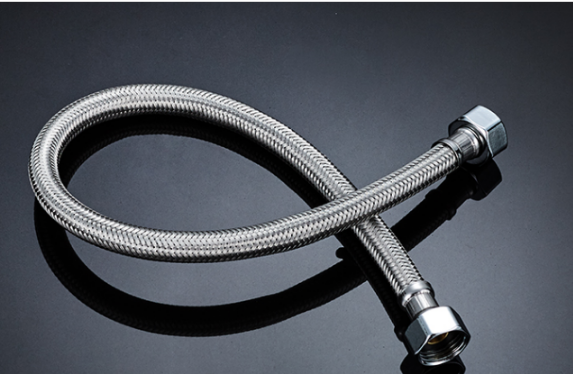
Crimping a stainless steel braided hose is a task that involves technical details and precise maneuvering, with the goal of ensuring a solid connection between the hose and the fitting to maintain the reliability and durability of the system.
Crimp stainless steel braided hose steps
1. Preparation
First, make sure all the tools and materials are available. You need to prepare a core press, stainless steel braided hose, fittings, tape measure or straightedge, cleaner, and raw tape. In addition, make sure the working environment is neat and clean to avoid dust and impurities affecting the quality of connection.
2. Measuring and Cutting
Use a tape measure or straightedge to accurately measure the length of the required hose and couplings. When cutting the hose, make sure the cut is straight and free of burrs and deformation. This step is critical, as irregular cuts may result in poor crimping or hose breakage.
3. Cleaning and Pretreatment
Before crimping, clean the hose and couplings thoroughly to remove grease, dirt, and other impurities. Specialized cleaners can be used and then dried with a clean cloth. After cleaning, wrapan appropriate amount of raw material tape around the threaded part of the hose to enhance the sealing performance.
4. Installation of core press
Install and adjust the core press to ensure that the clamping force and positioning accuracy meet the requirements. According to the specifications of the hose and coupling, select the appropriate mold or core press.
5. Crimping operation
Place the hose and fitting into the two ports of the core press. Ensure the position of the hose and fitting are aligned and adjust the position of the core press appropriately so that the force can be evenly applied when crimping. Start the core press to begin the crimping process. During the crimping process, pay close attention to the pressure changes to avoid too high or too low pressure causing deformation or rupture of the hose and fittings.
6. Inspection and adjustment
After the crimping is completed, carefully inspect the connection points. Make sure that the connection points are not cracked, deformed, or loose. If any problems are found, stop the operation immediately and re-crimp. In addition, check the tightening force of the connection points to ensure that the hose and coupling are firmly and reliably connected.
Precautions
1. Select appropriate materials and specifications: Ensure that the materials and specifications of the hoses and fittings are matched to meet the pressure resistance and corrosion resistance requirements of the system.
2. Use a professional core press: Crimping stainless steel braided hose requires the use of a professional core press to ensure crimping quality and safety.
3. Pay attention to the degree of pressurization: In the process of crimping, the pressurization should be controlled appropriately to avoid damage to the hose and fittings caused by too high or too low pressure.
4. Cleaning and lubrication: Before crimping, make sure the hoses and fittings are clean and free of dirt, and apply an appropriate amount of lubricant on the threaded part to reduce friction and wear.
5. Regular inspection and maintenance: After crimping is completed, inspect and maintain the connection point regularly to ensure its long-term stable operation.
Crimping a stainless steel braided hose is a task that requires precise operation and specialized skills. By following the steps and precautions outlined above, you can ensure a solid connection between the hose and the coupling, increasing the reliability and durability of the system. When performing crimping operations, it is important to pay attention to safety and follow relevant operating procedures to ensure the safety of personnel and equipment. As technology continues to advance and materials continue to innovate, the methods and standards for crimping stainless steel braided hoses will also be updated and improved. Therefore, it is recommended to regularly participate in relevant training and exchange activities to understand the latest technical developments and industry standards.