
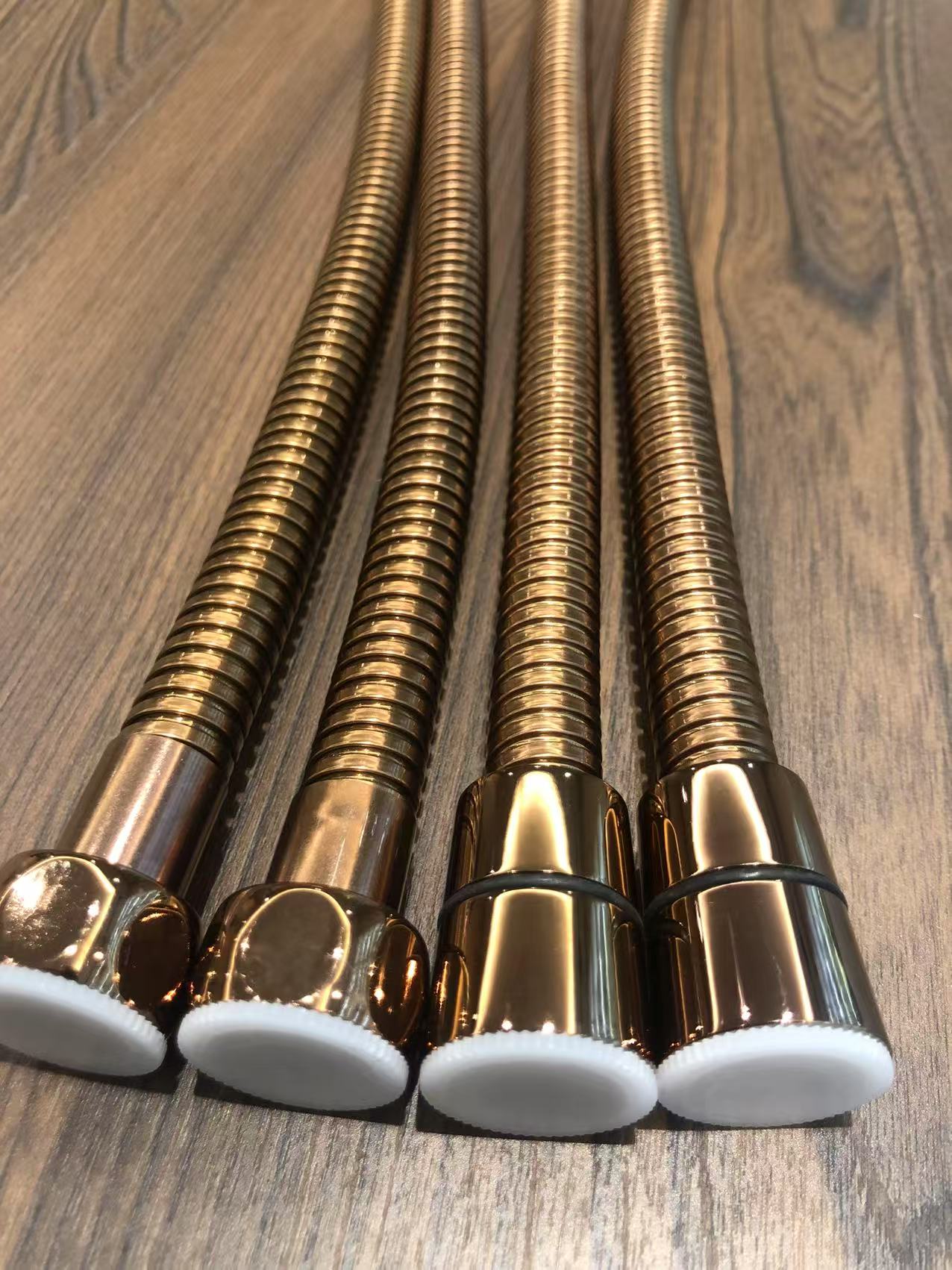
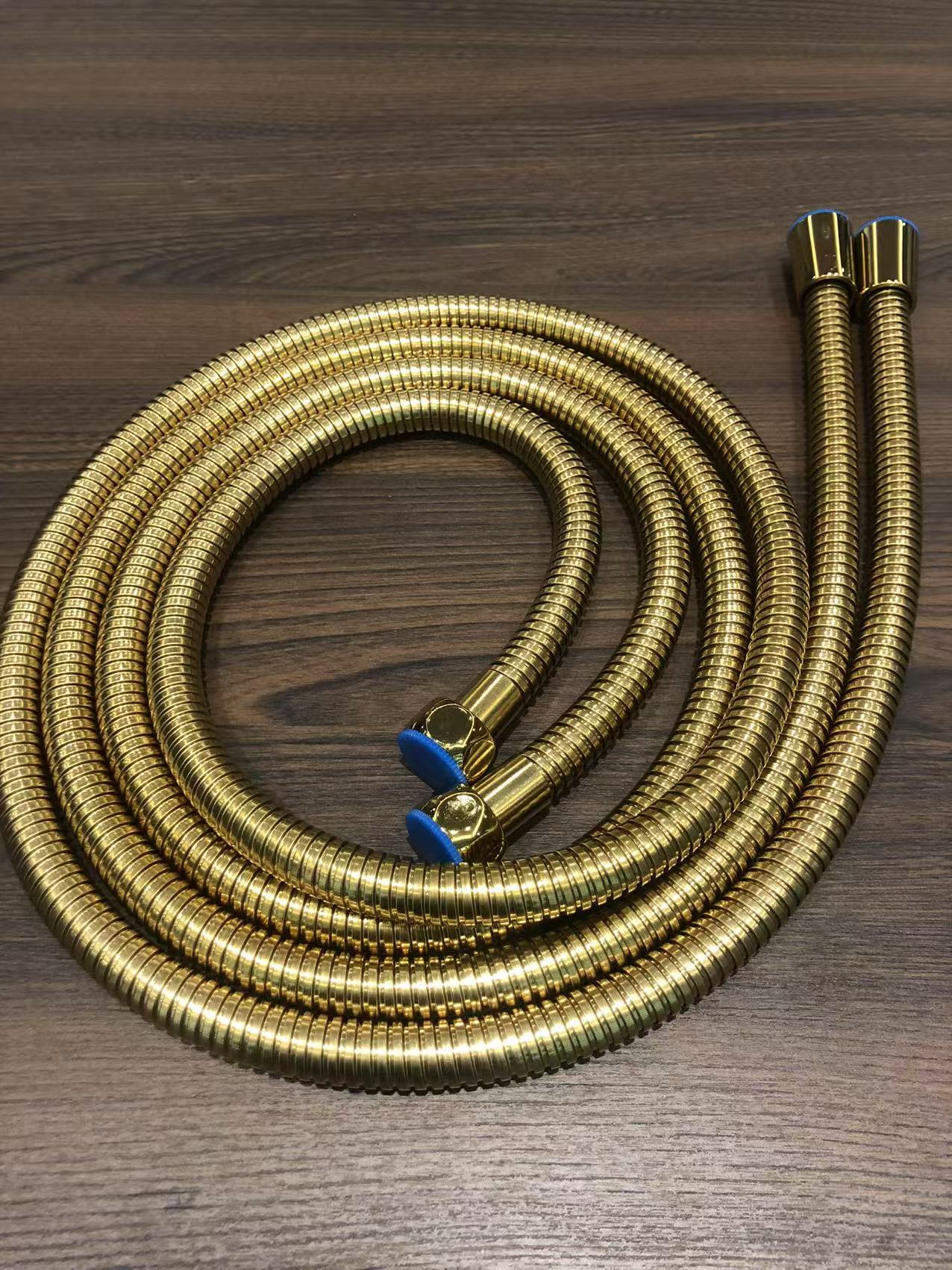
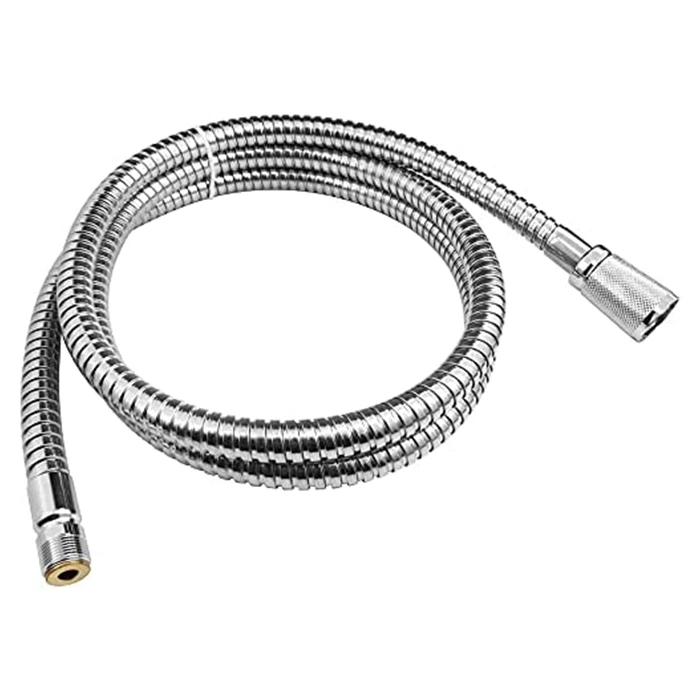
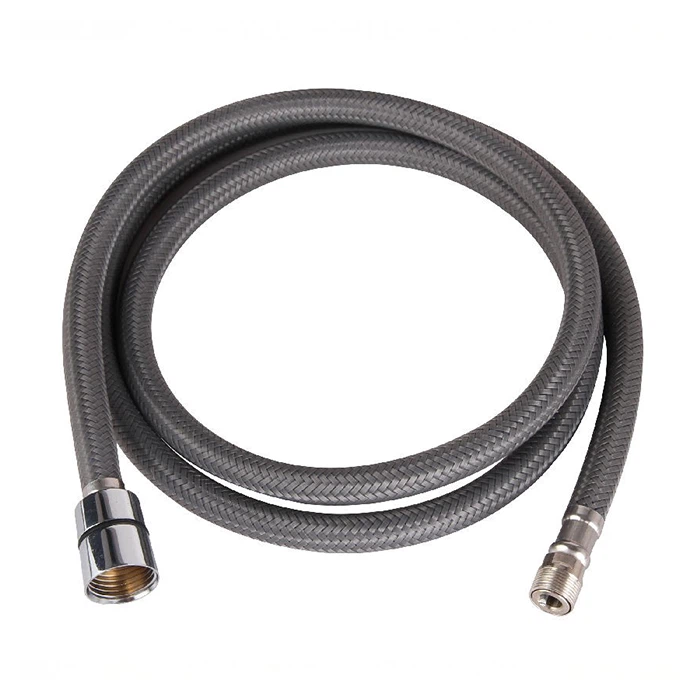
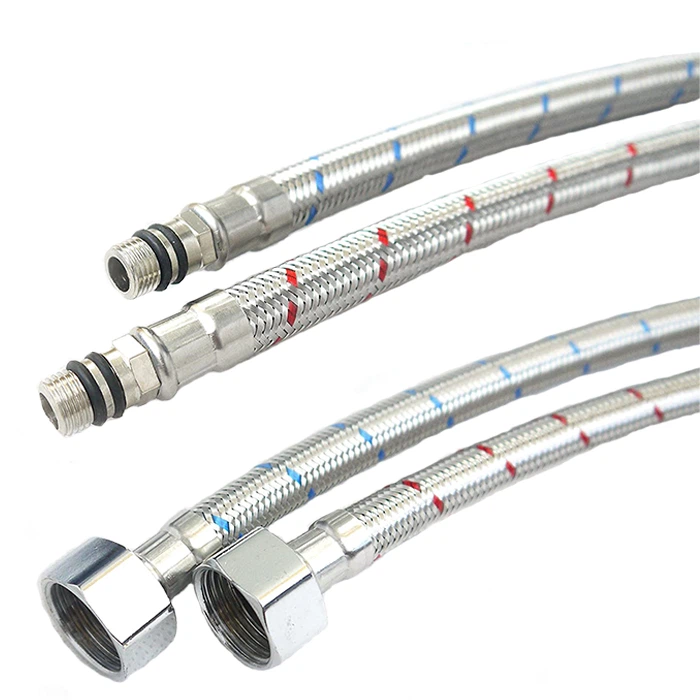
How do you crimp a stainless steel braided hose?
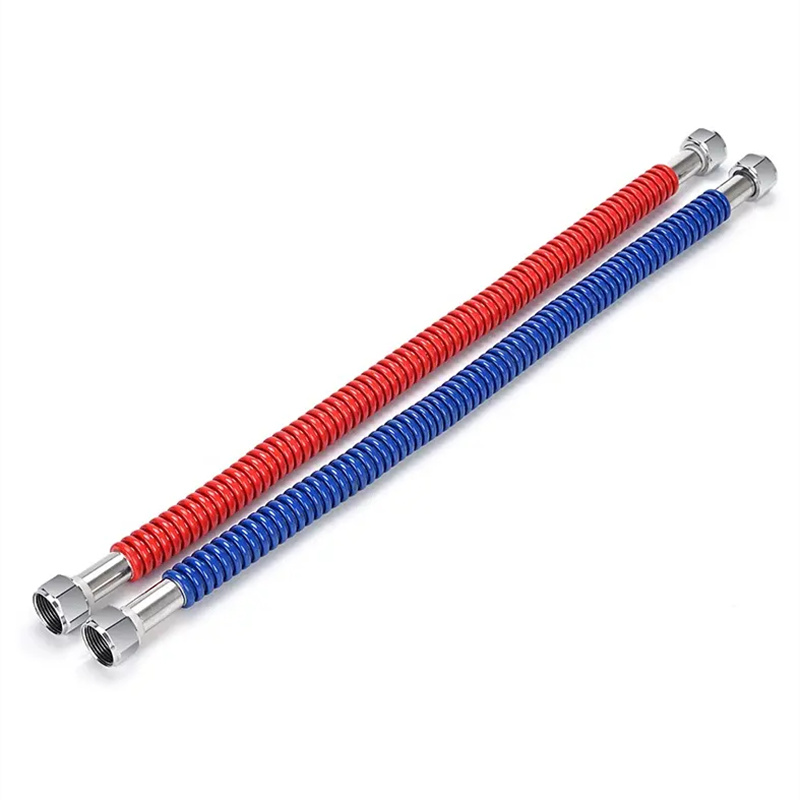
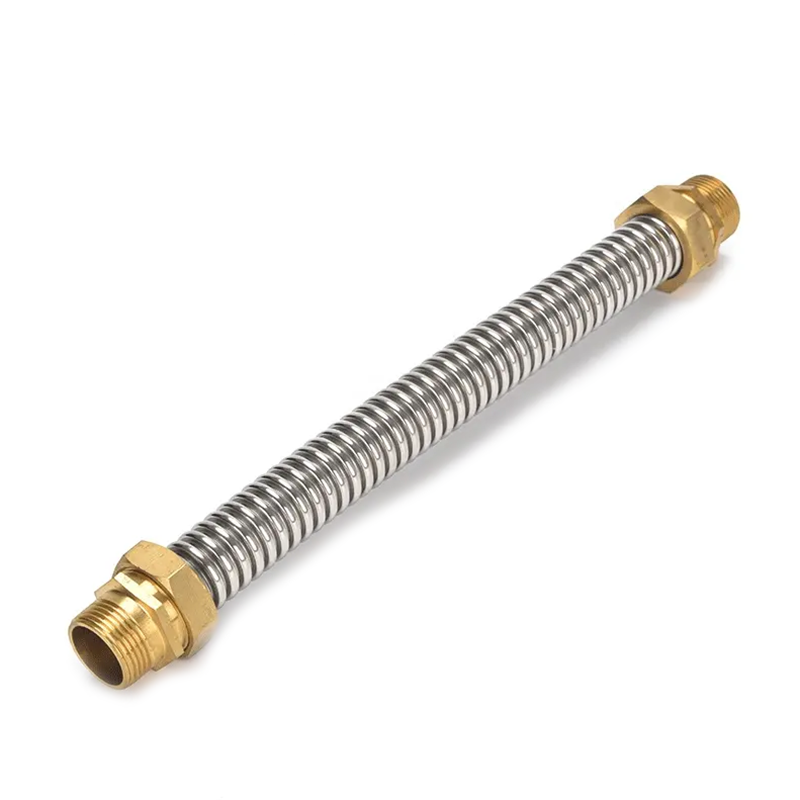
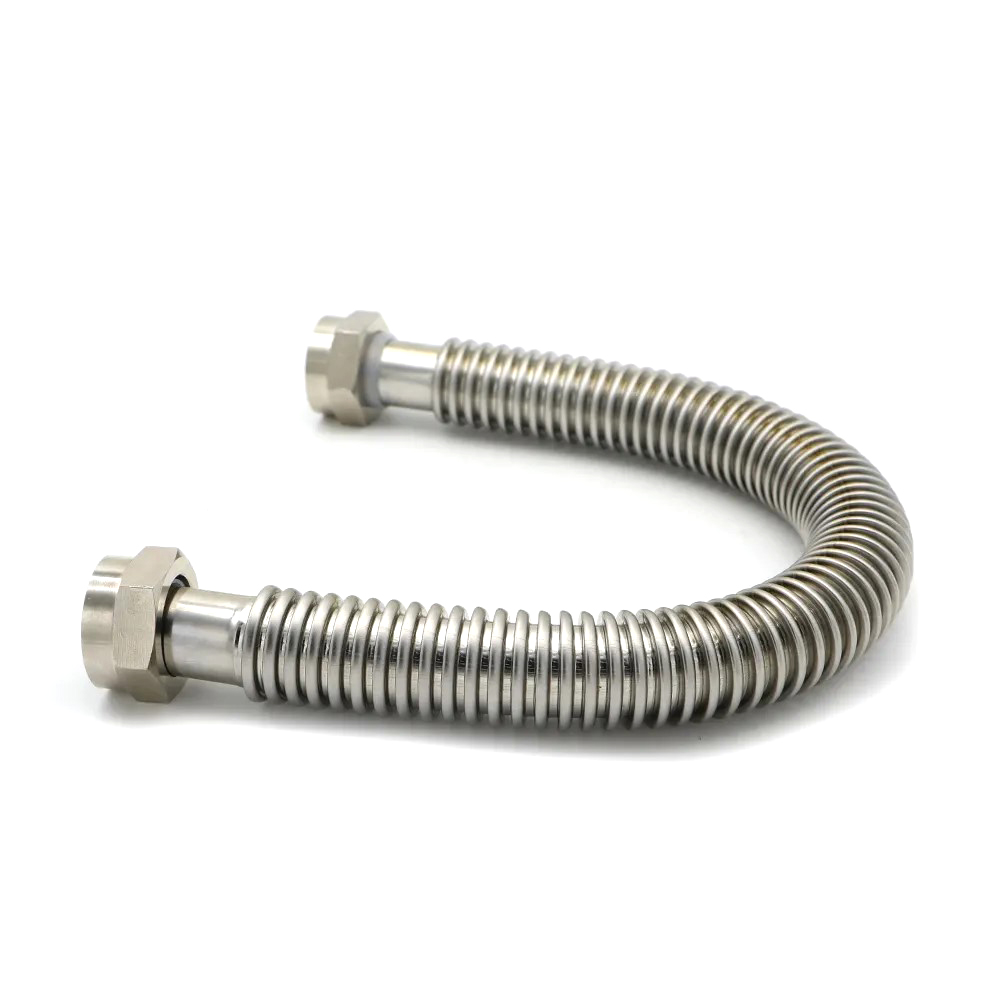
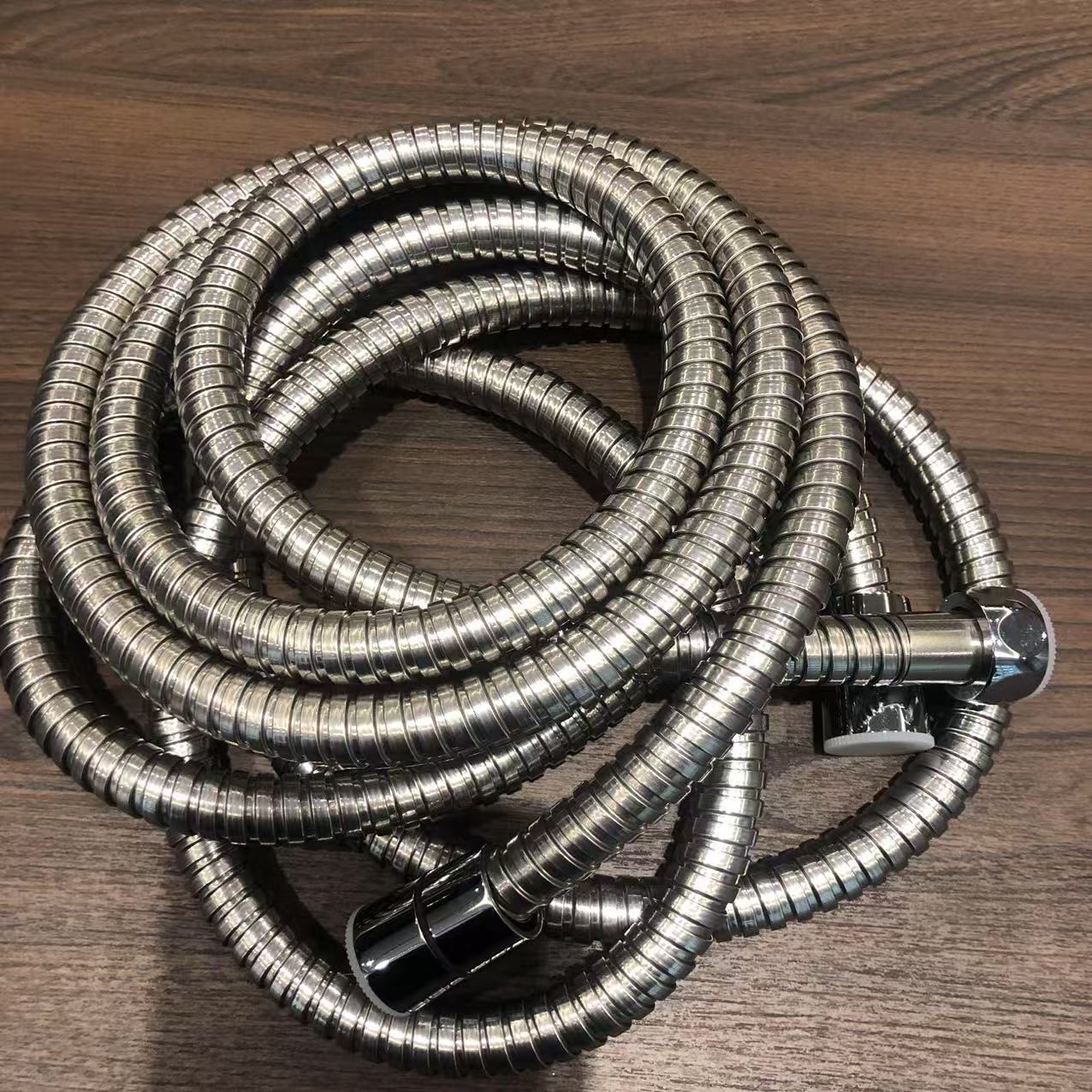
Stainless steel braided hose is a commonly used pipe connection component, crimping stainless steel braided hose is an important connection method, which can ensure the firmness and sealing between the hose and the connection. This article will detail how to crimp stainless steel braided hose, including preparation, crimping steps, precautions, and other aspects.
I. The preparatory work
Before crimping the stainless steel braided hose, adequate preparation is needed to ensure the quality and safety of crimping.
1. Check the hose and connectors:
- Ensure that the surface of the hose and connectors are clean and free of dirt to avoid impurities affecting the crimping effect.
- Check that the braid of the hose is intact and not damaged or broken.
- Check that the threads of the connectors are intact and free from corrosion or damage.
2. Prepare tools and equipment:
- Crimping pliers or special hydraulic pliers: for crimping the hose.
- Cutting tools: such as scissors or pipe cutters for cutting the hose to the desired length.
- Cleaning tools: such as cloths or paper towels to clean hose and connection surfaces.
- Thread lubricant: Used to coat threads to reduce friction and improve crimping efficiency.
3. Select the proper seal:
- Select the appropriate seals according to the specifications of the hose and connections.
- Check whether the seal ring is intact and undamaged, without deformation or aging.

II. Crimping steps
The process of crimping stainless steel braided hose requires care and patience, the following are the detailed crimping steps:
1. Cut the hose:
- Use a cutting tool to cut the hose to the required length.
- Make sure the cutting surface is flat and free of burrs or deformation.
2. Install Seal:
- Install the selected seal on the threaded portion of the connection.
- Ensure that the seal fits snugly into the connection without gaps.
3. Connecting the hose:
- Align one end of the hose with the threaded portion of the connector and rotate to tighten.
- Be careful not to use excessive force as this may damage the threads or seal.
4. Wrap raw material tape:
- Wrap an appropriate amount of raw material tape around the threaded portion of the hose connection to enhance sealing performance.
- Wrap evenly and tightly to avoid the raw material tape entering the inside of the hose.
5. Crimp hose:
- Use crimping pliers or special hydraulic pliers to snap the combined portion of the hose and connection.
- According to the instructions of crimping pliers or hydraulic pliers, apply appropriate pressure to crimp.
- Apply even pressure during the crimping process to avoid deformation of the hose or connection.
6. Check the quality of the crimp:
- After the crimping is completed, check whether the crimped part is firm and free from looseness.
- Check whether the sealing ring is completely embedded in the groove of the connecting part, without leakage or misalignment.
- If necessary, use soapy water or other testing agents to check whether there is leakage at the hose connection.
III. Precautions
When crimping stainless steel braided hose, you need to pay attention to the following points to ensure the safety and reliability of crimping:
1. Avoid bending and twisting:
- Avoid bending or twisting of the hose during the crimping process.
- The bend radius should meet the hose manufacturer's specifications to avoid hose damage.
2. Do not install the hose body in compression:
- Ensure that the hose is in its natural state before crimping; do not forcefully stretch or compress it.
- Failure to do so may result in internal damage to the hose or compromise the crimp.
3. Use proper tools and equipment:
- Select suitable crimping pliers or hydraulic pliers for crimping.
- Avoid using unsuitable tools that may result in reduced crimping quality or damage to the hose.
4. Check the quality of the hose and connections:
- Before crimping, carefully check the quality of the hoses and connections.
- Make sure they meet design requirements and are free of defects or damage.
5. Follow operating procedures:
- Strictly follow the operating procedures for crimping work.
- Avoid illegal operations leading to safety accidents or crimping failure.
Crimping stainless steel braided hose is an important task, which is related to the safety and reliability of the entire fluid transfer system. When crimping work, we should strictly follow the operating procedures to ensure the quality and safety of crimping. At the same time, we also need to continue to learn and practice, improve our professional skills and level, and contribute to the safe and reliable operation of the fluid transmission system.