
How do you install a filter when there is a pull-out hose on the faucet?
When installing a faucet filter, especially if the faucet is equipped with a pull-out hose, the entire process requires special attention to detail to ensure that the filter will be installed correctly and work effectively. Below is a detailed guide to help you with this task.
I. Pre-installation preparation
1. Selecting the right filter
You need to choose the right faucet filter for your faucet based on the type of faucet and your household water needs. There are several types of filters on the market, including simple models that mount directly to the faucet and complex models that require professional installation. For faucets with pull-out hoses, you will need to choose a filter that is compatible with this type of construction. Often, these filters come with specific fittings to accommodate faucet spouts of different shapes and sizes.
2. Prepare the necessary tools and materials
Before you begin the installation, you will need to prepare some necessary tools and materials. These usually include:
Wrenches: for removing and installing fittings on the faucet.
Screwdriver: if the filter needs to be secured with screws.
Sealing tape: used to enhance the sealing of the fitting.
Replacement parts: such as washers to ensure integrity during installation.
Filter kit: Includes filter body, fittings, gaskets, etc.
3. Turn off the water supply
Before installation, it is important to turn off the main water supply valve to the house or apartment to prevent inconvenience and possible water damage caused by water flow. Typically, the water source switch is located near the water meter or under the sink.

II. Installation Steps
1. Remove original fittings
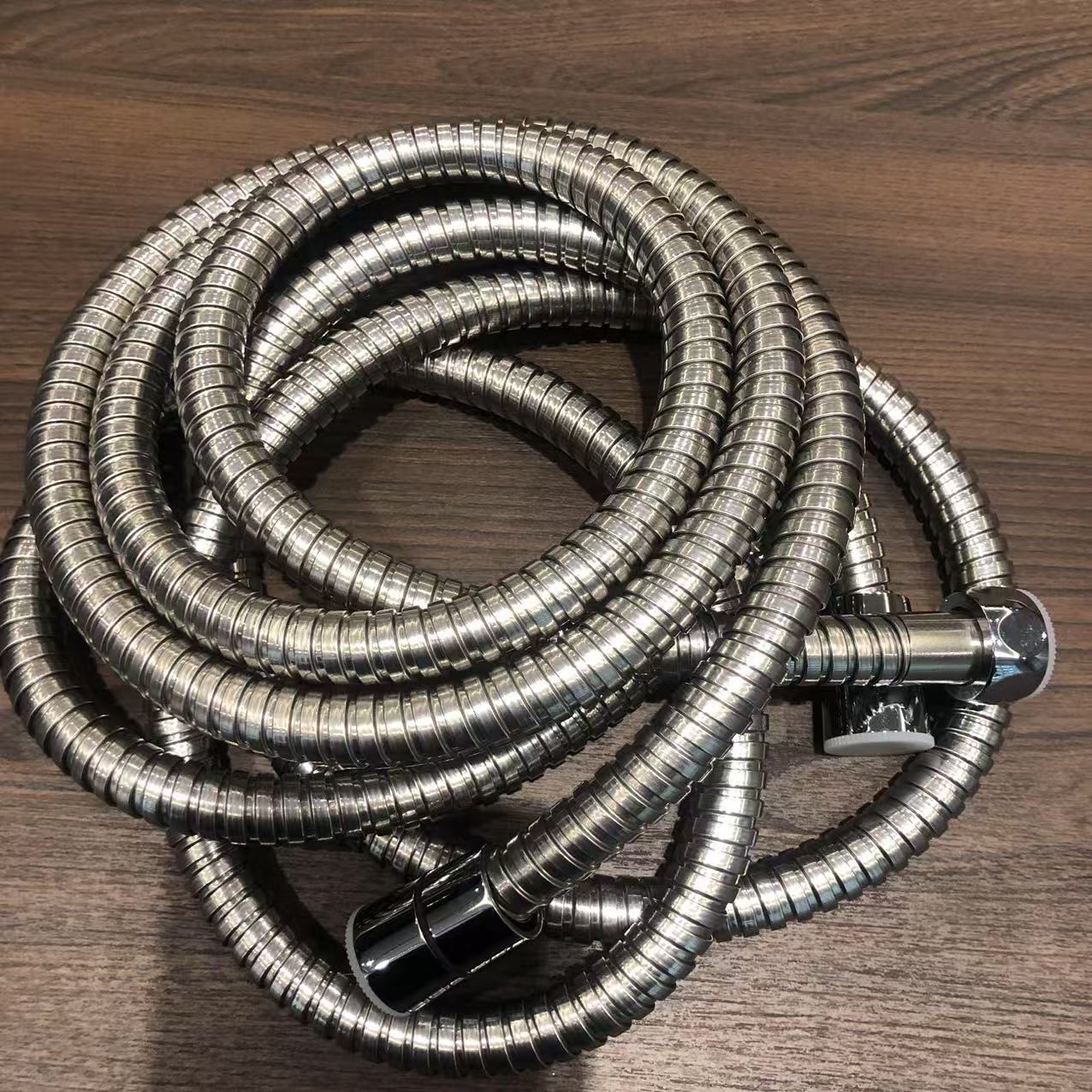
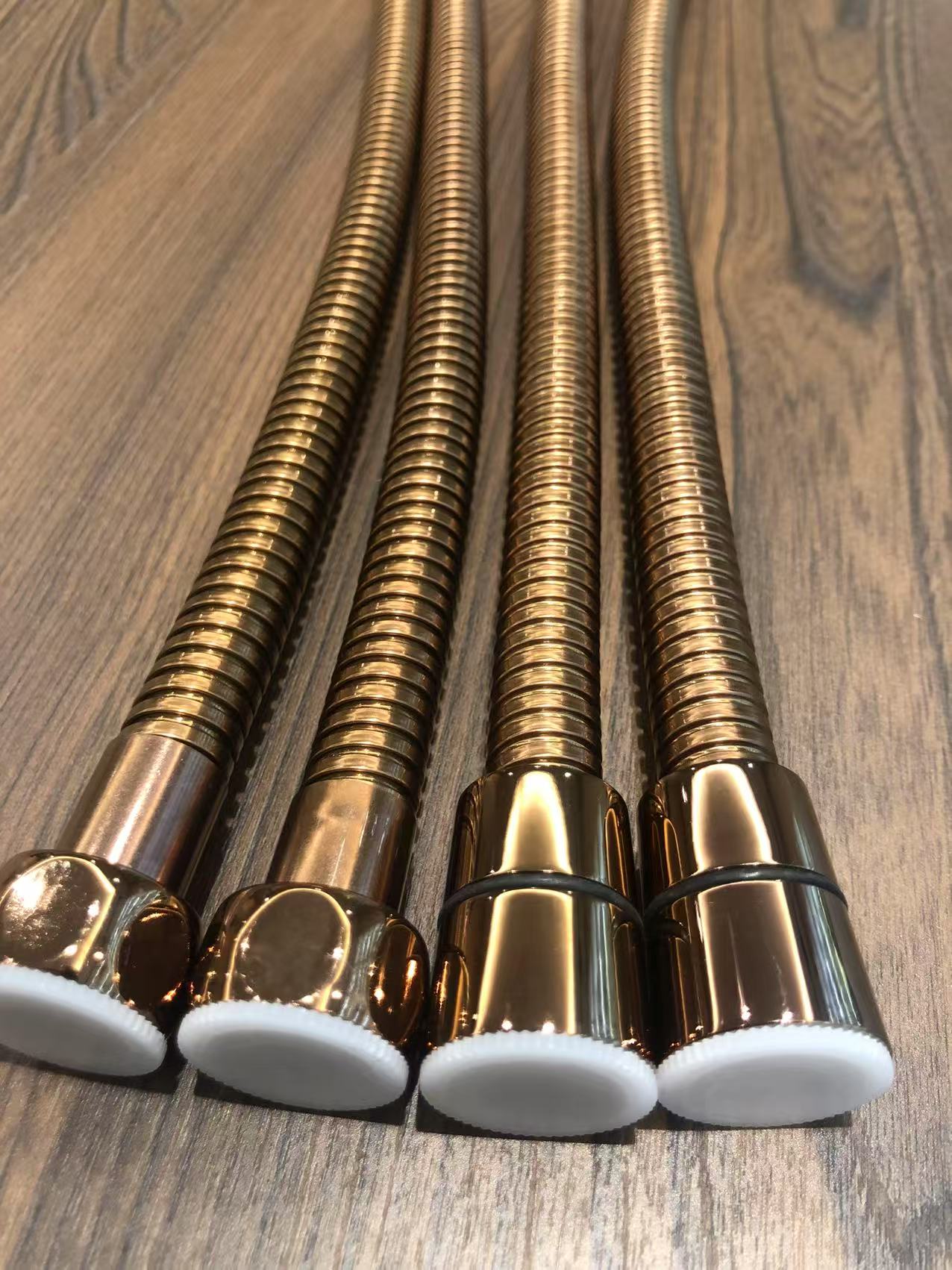
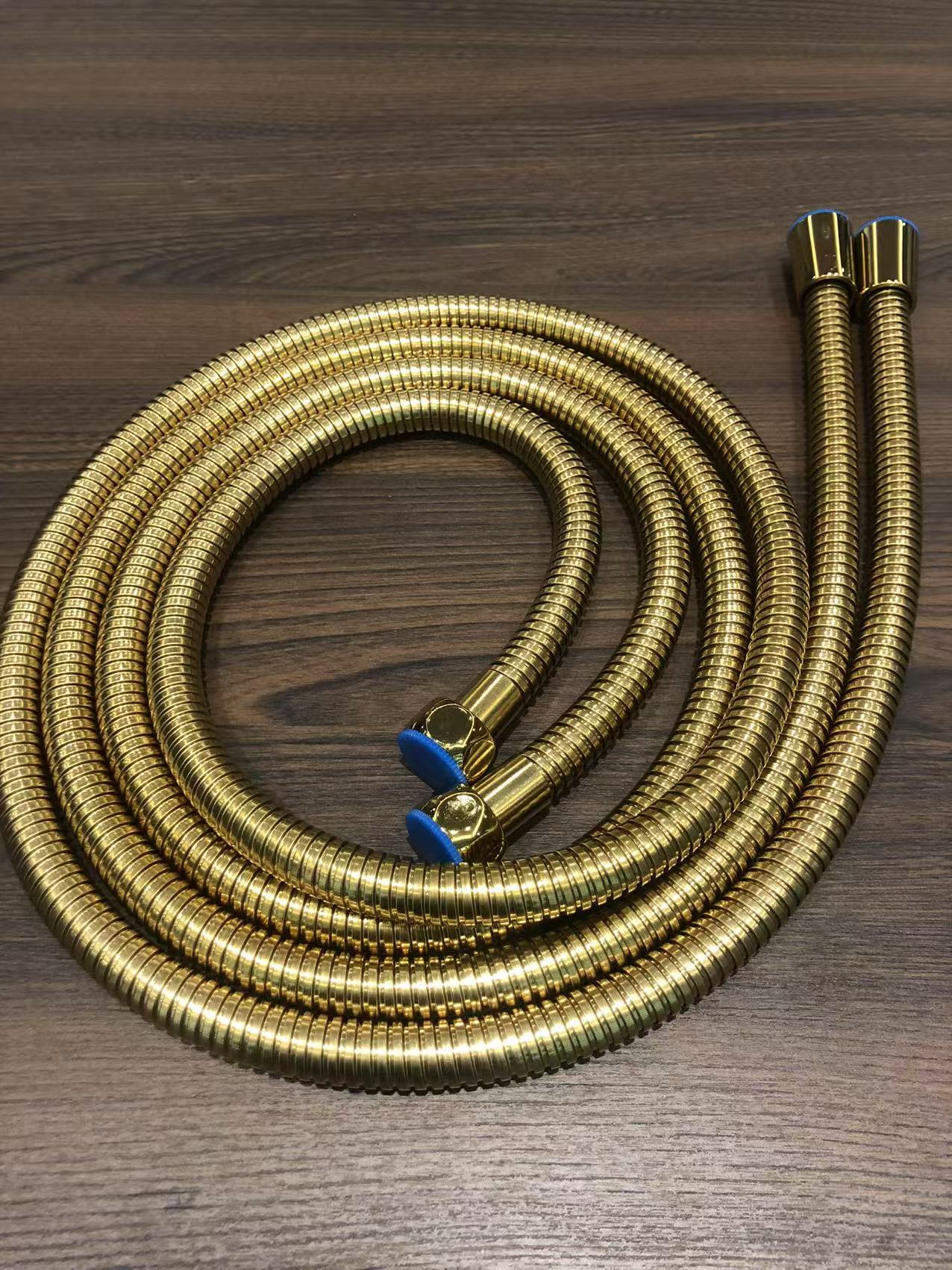
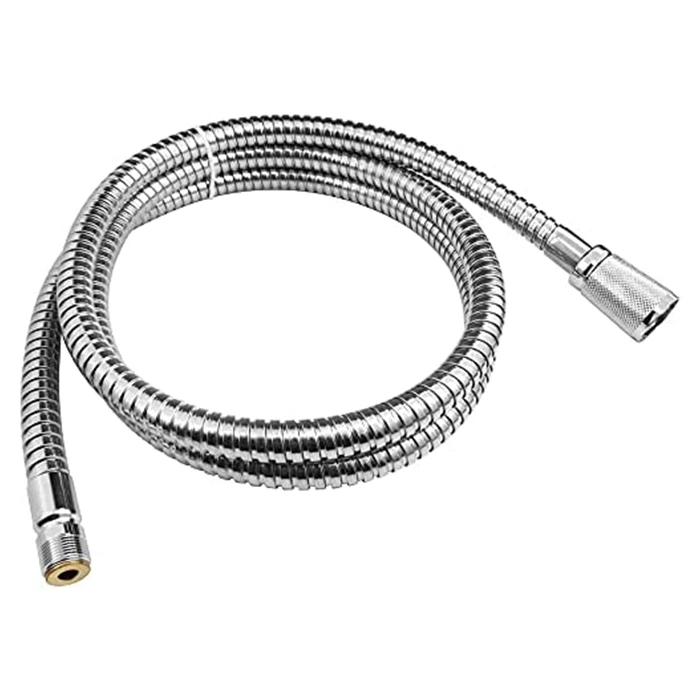
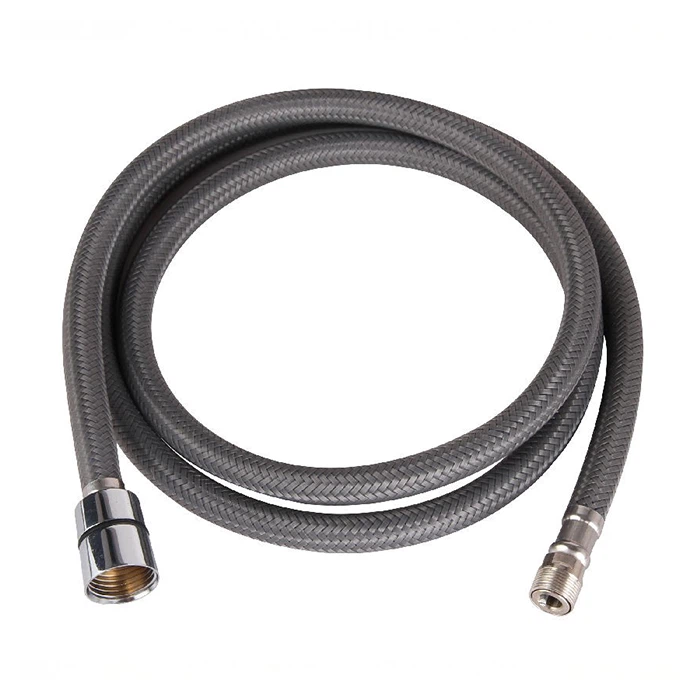
Use a wrench to remove the original fittings on your faucet, such as the spray head or bubbler. Since your faucet is equipped with a pull-out hose, you may need to pay special attention to how the hose is connected to the faucet body and avoid damaging the hose or faucet during removal.
2. Installing the Filter Fittings
Install the fittings from the filter kit onto the faucet. This step may need to be adjusted for your specific type of faucet and filter. For faucets with pull-out hoses, you may need to use a special fitting that is securely fastened to the faucet spout and allows the hose to continue to pull out and back in properly.
Before installing the fitting, check that a washer is included in the kit and install it in the proper location on the fitting if needed. The purpose of the washer is to enhance the seal of the fitting and prevent leakage.
3. Connecting the faucet filter
Insert the faucet filter body into the fitting and screw it gently by hand. Then, use a wrench to tighten it slightly to ensure that the filter is securely installed. Please be careful not to over-tighten as this may damage the filter or the fitting.
4. Connecting the hose and water source
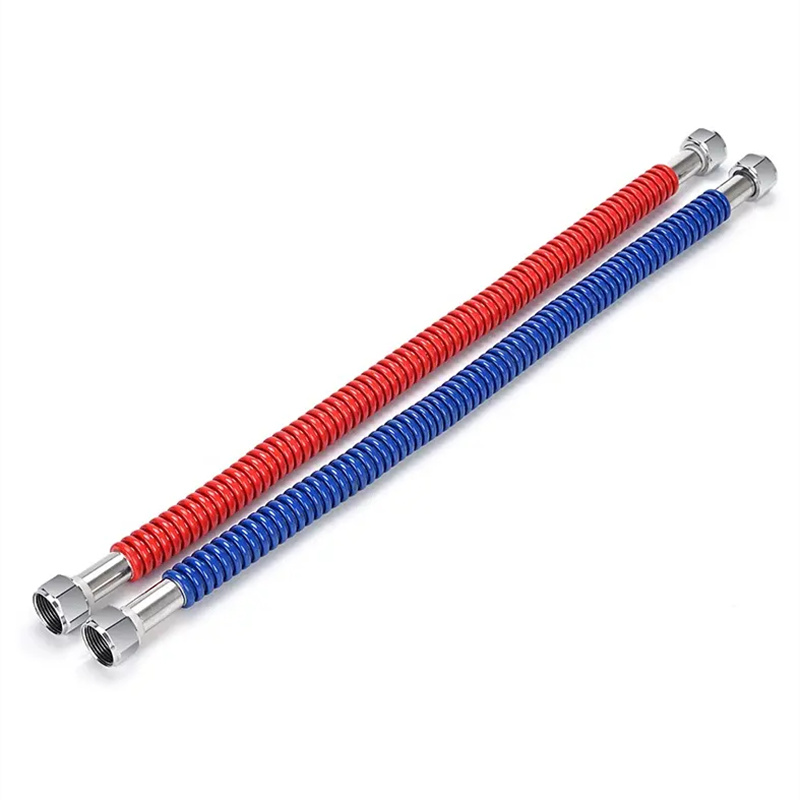
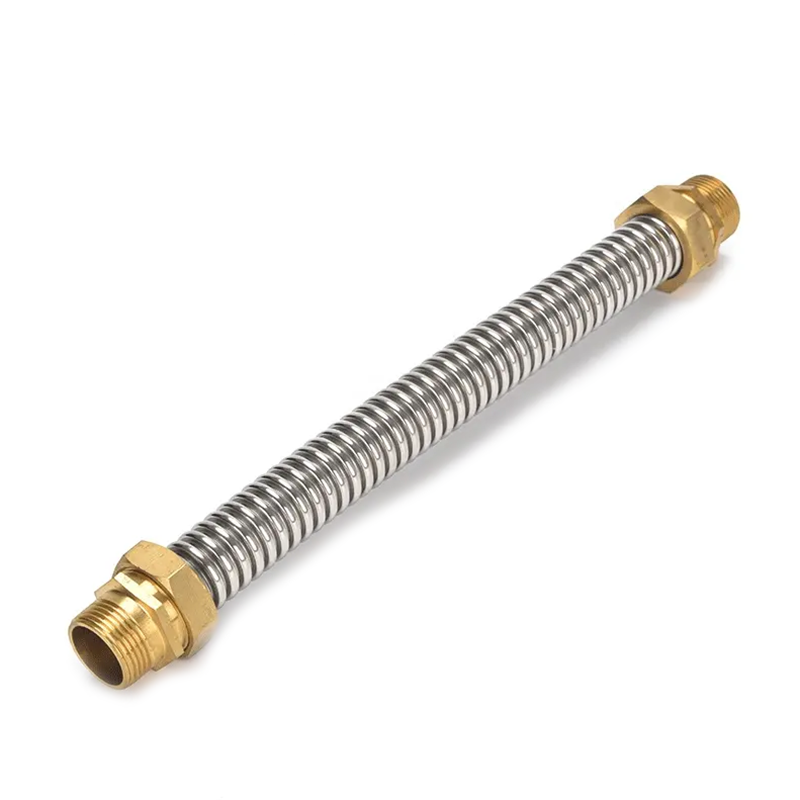
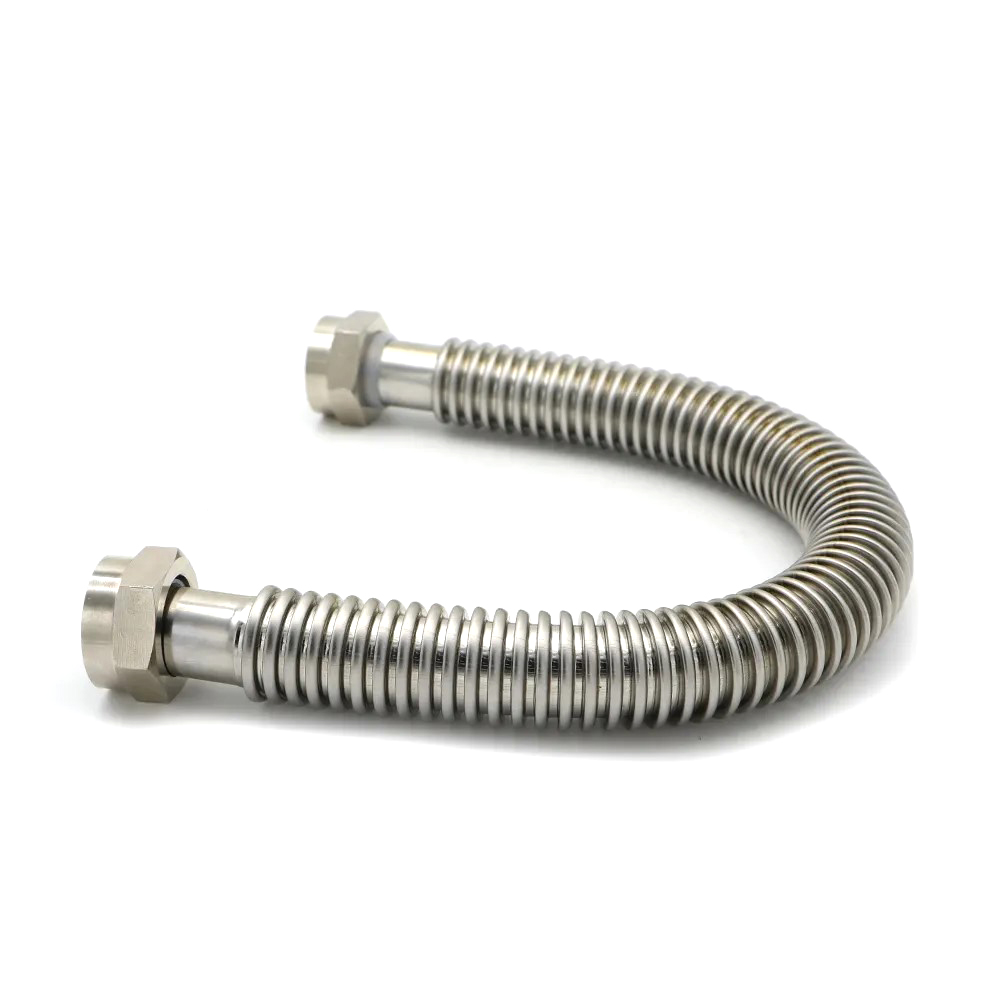
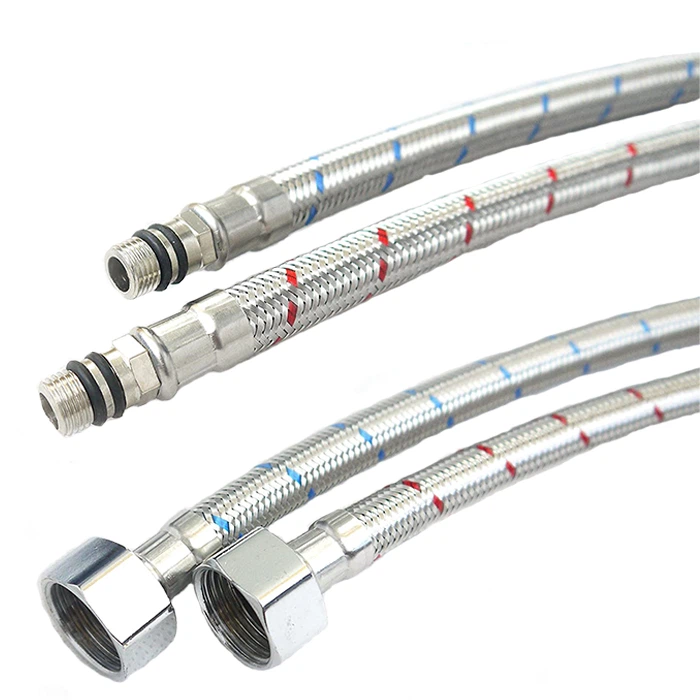
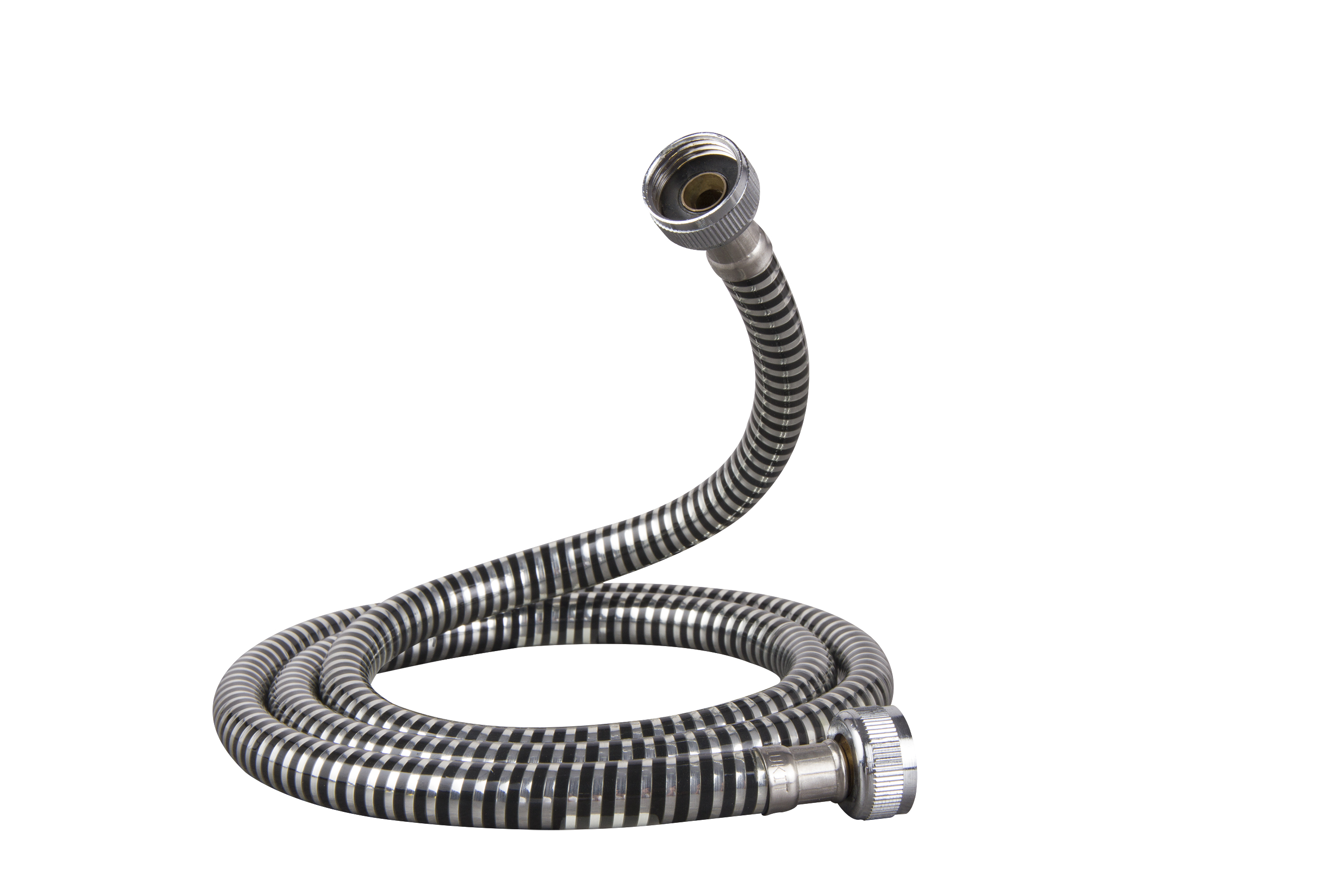
If your filter requires the connection of an additional hose to connect to the water supply line, make sure the hose is securely connected and free of twists or kinks. Use a wrench to tighten the hose connections, but do not over-tighten them. For faucets with pull-out hoses, you may need to adjust the length and position of the hose to ensure that the filter will fit properly and not interfere with the hose.
5. Turn on the water supply and check
Open the main water supply valve and allow water to flow through the filter and faucet. Then, turn on the faucet and check for any leaks. If a leak is found, immediately turn off the water supply and recheck the installation. Make sure the filter is securely installed and well-sealed.
III. Precautions
Follow the instructions: During installation, be sure to follow the filter's instructions. Different filters may have different installation requirements and procedures.
Avoid Damage: Avoid using excessive force or tools during removal and installation to avoid damage to faucets, hoses or filters.
Periodic Inspection: After installation is complete, periodically check that the filter is working properly and that there are no leaks. If any problems are found, turn off the water supply immediately and have it inspected and repaired.
Replacement of filter cartridge: According to the instructions of the filter and the actual situation, replace the filter cartridge regularly to ensure clean and safe water quality.
Installing a faucet filter with a pull-out hose can be easily accomplished as long as you follow the above guidelines and have the necessary tools and materials on hand. By properly installing a filter, you can ensure that your home water is clean and safe for your health and quality of life.