
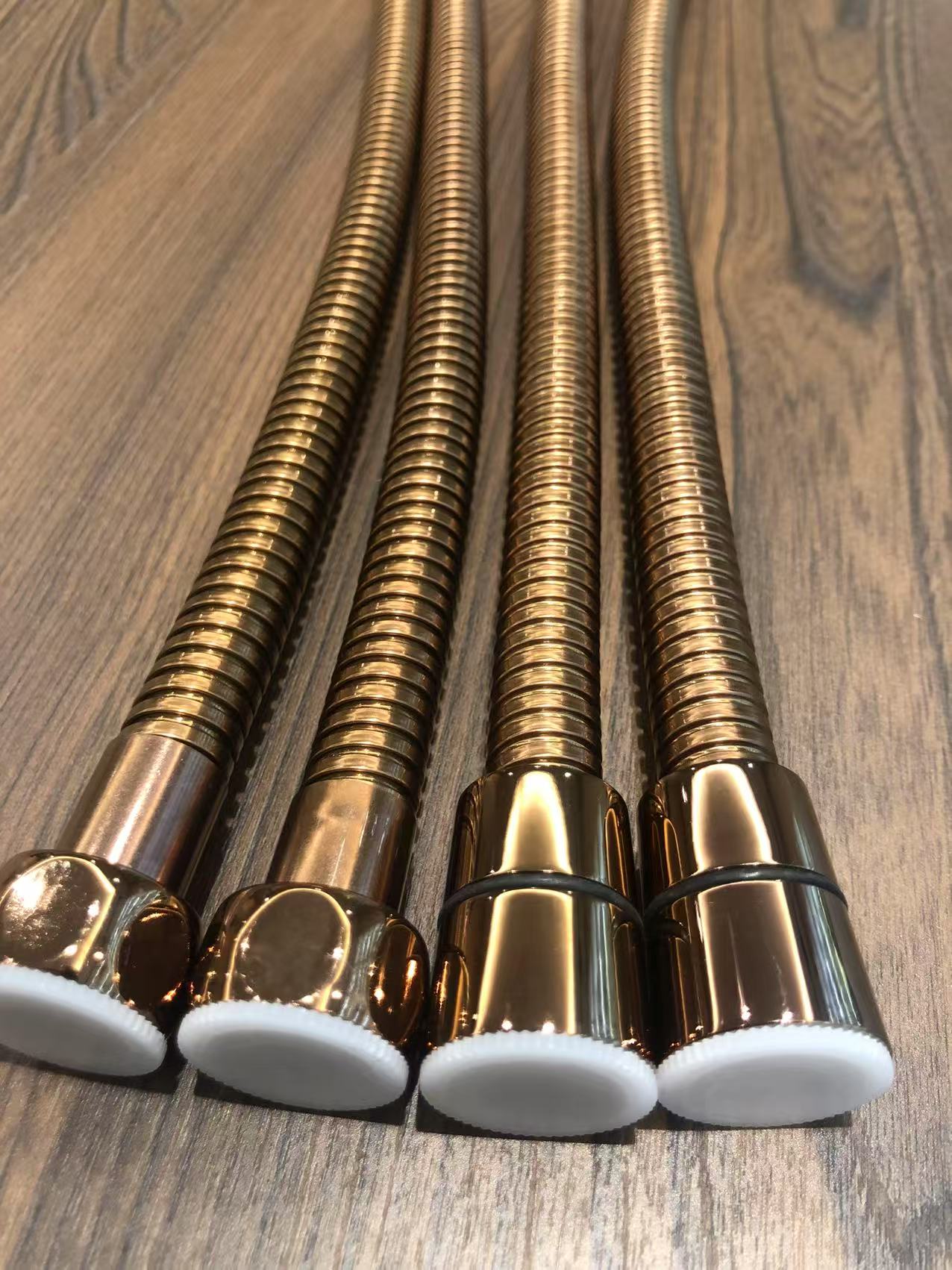
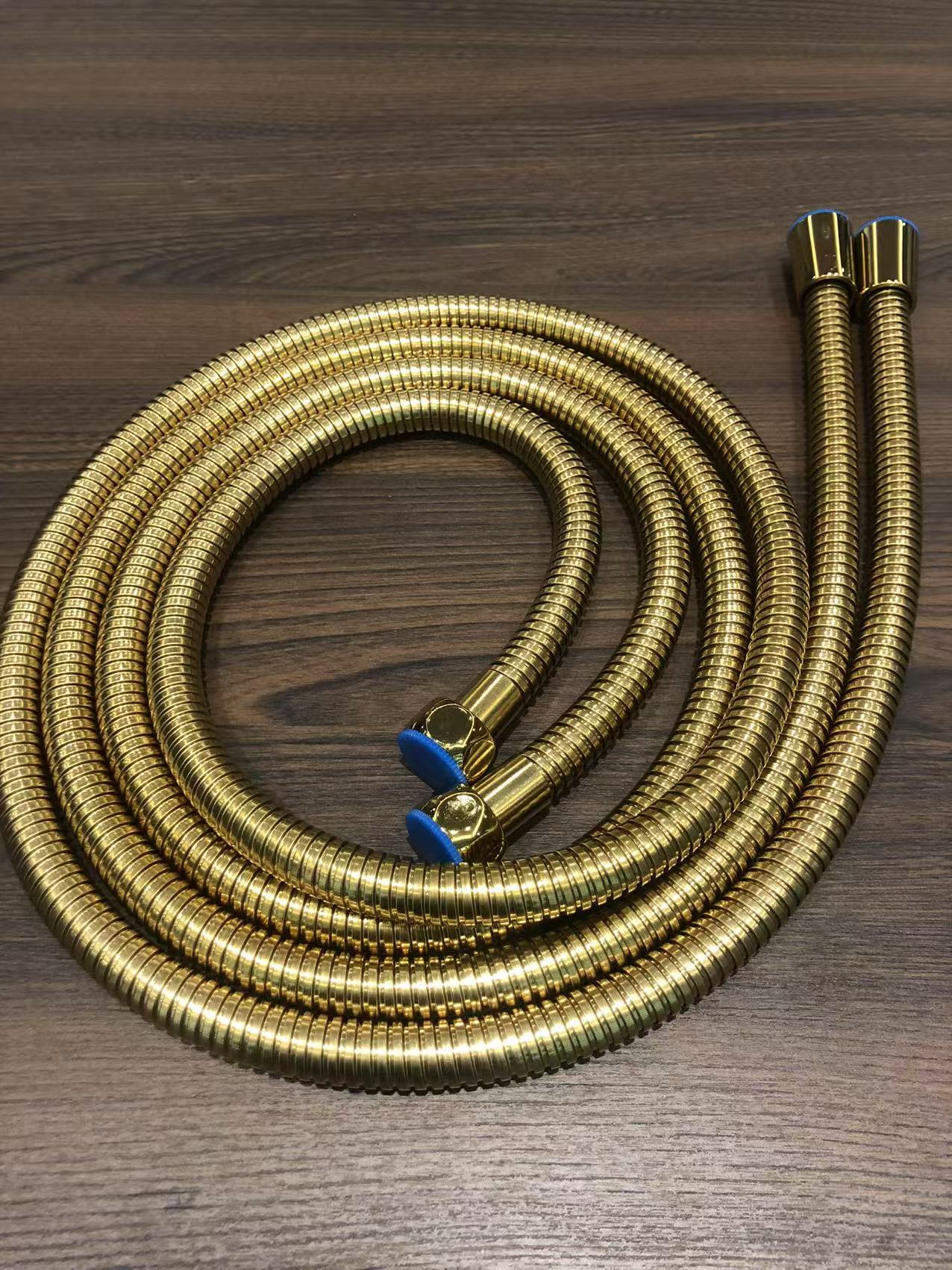
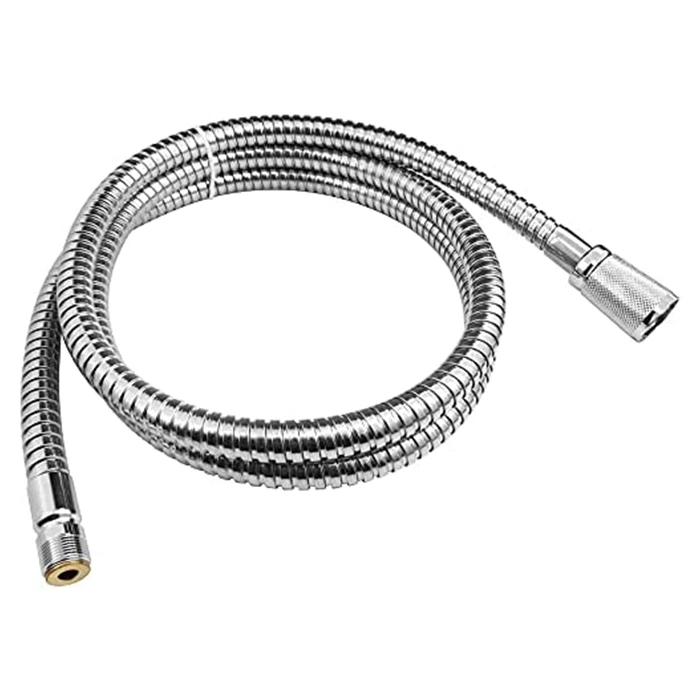
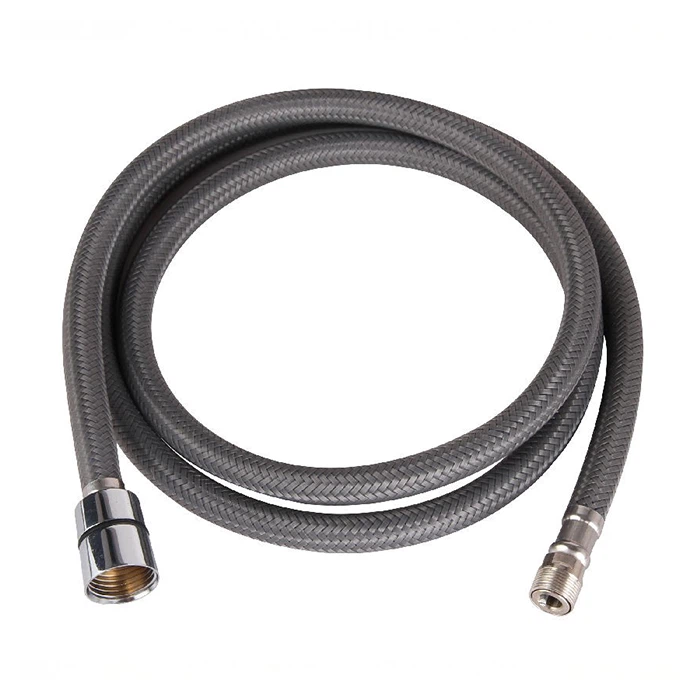
How steel braided hose is made?
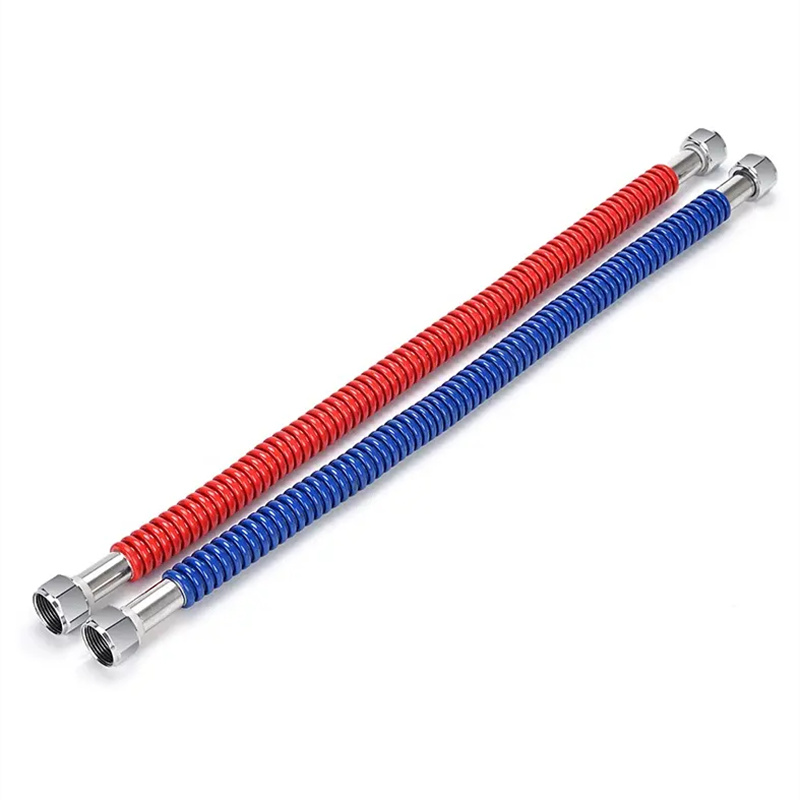
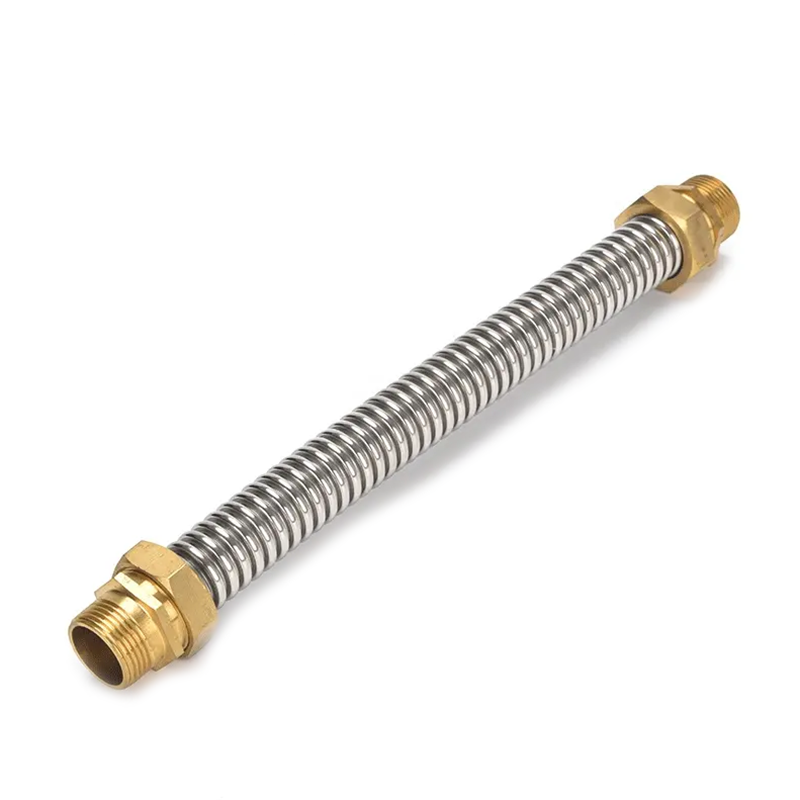
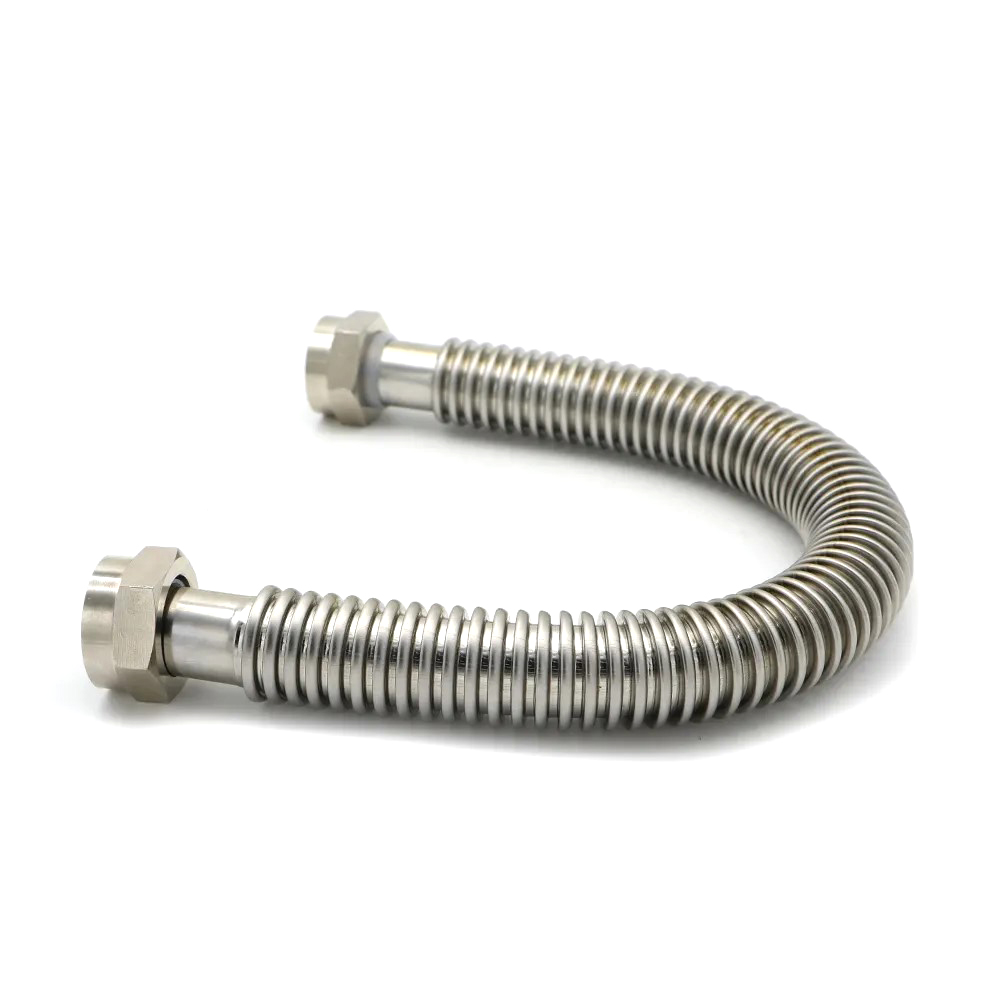
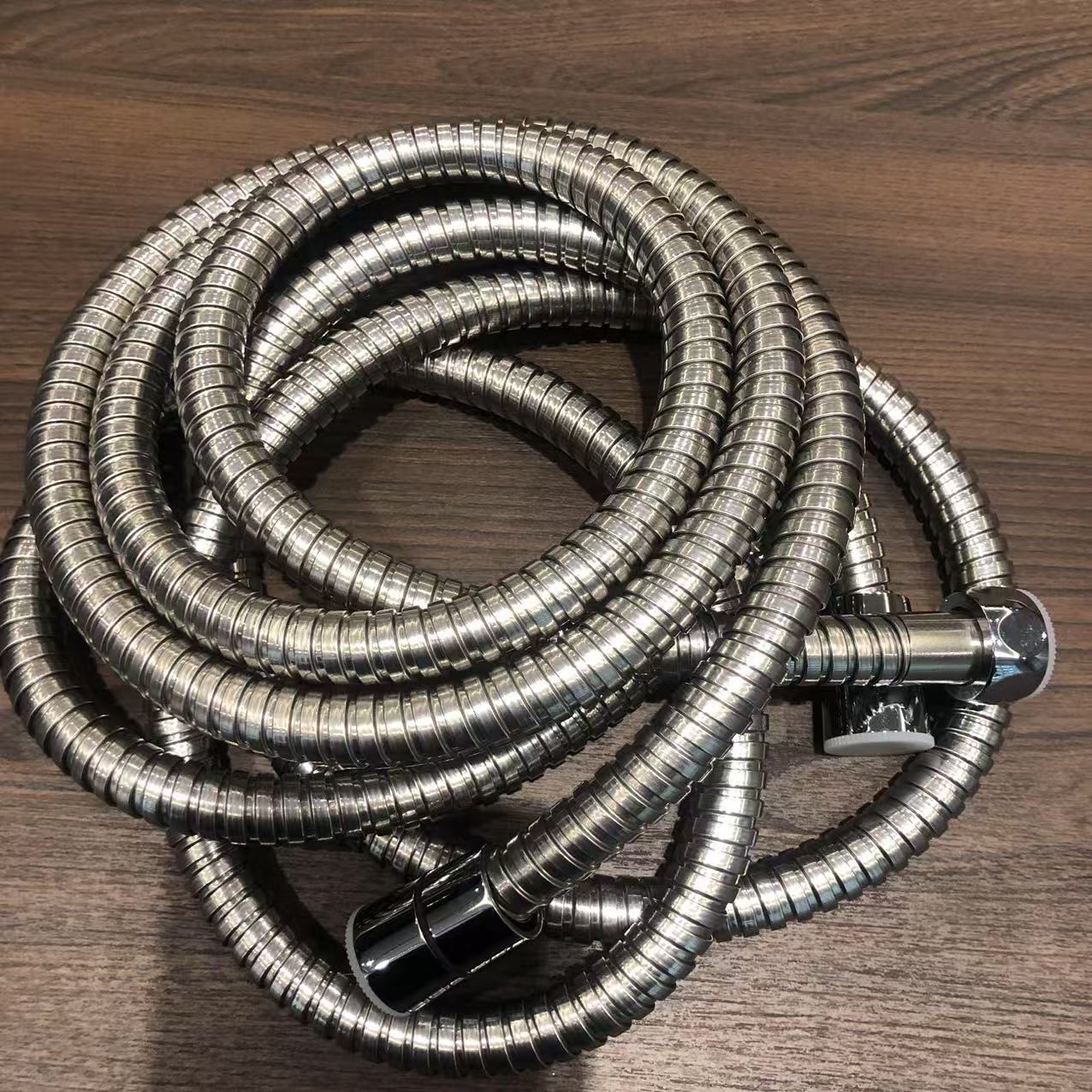
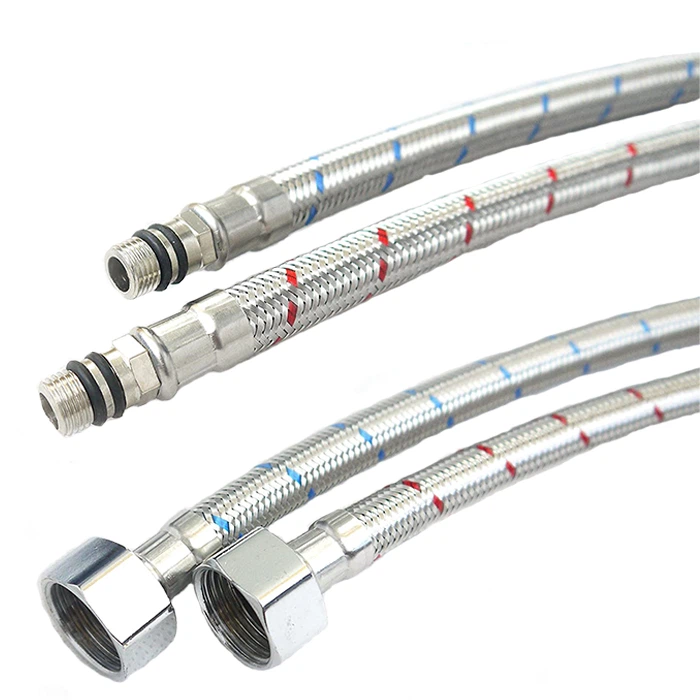
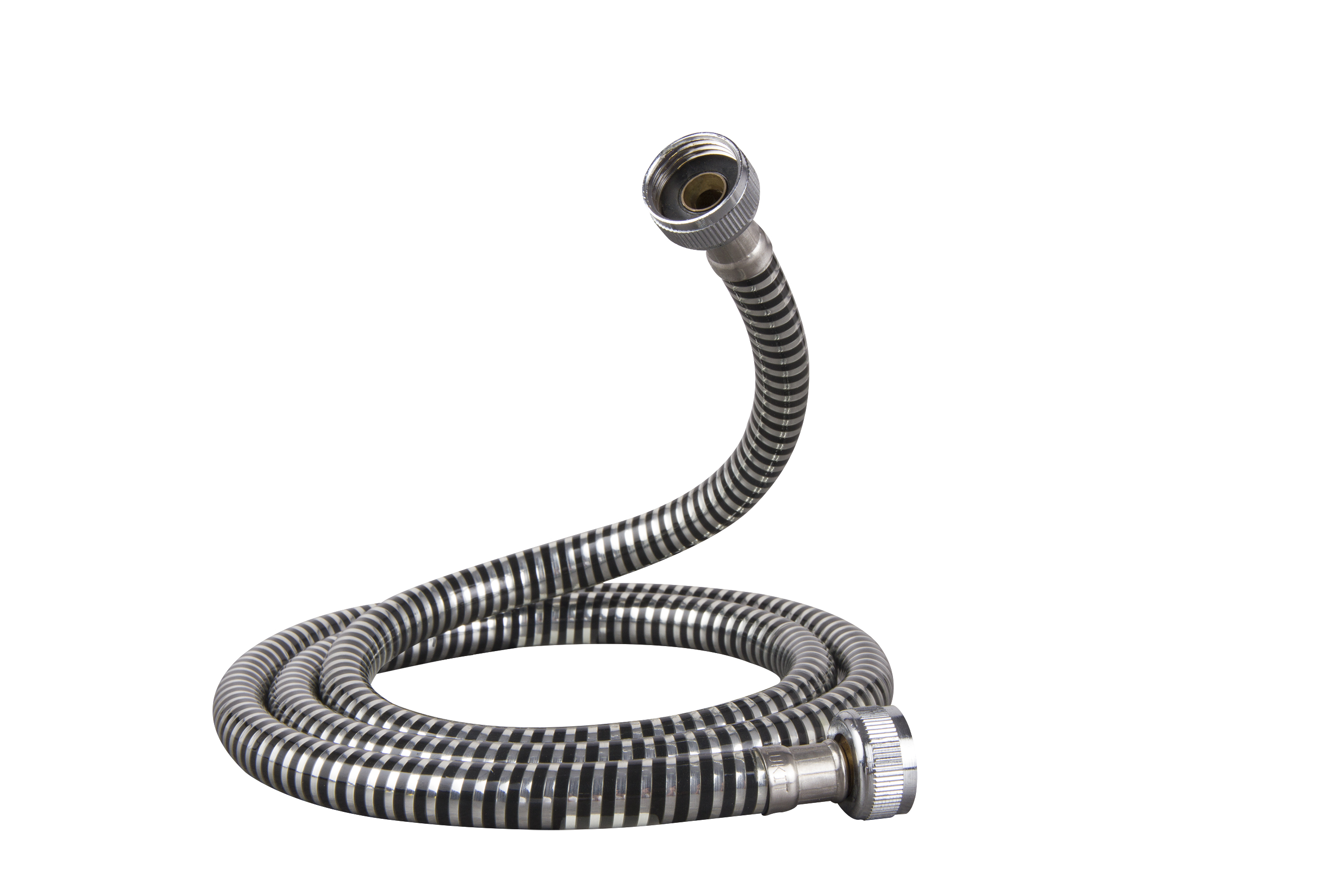
Steel wire braided hose is an important piping connection product. It is widely used in electrical wiring protection, household faucets, toilets, showers, and other piping connectors. Its manufacturing process involves several links and complex processes.
I. Raw material preparation
The first step in manufacturing steel wire braided hose is to prepare high-quality raw materials, which mainly include steel wire and rubber.
Steel wire: Steel wire is the main skeleton material of the hose, requiring high quality, high strength, and corrosion resistance. Steel wire needs to be cut, cleaned, and phosphatized to improve its surface corrosion resistance and adhesion.
Rubber material: rubber material should have good elasticity and abrasion resistance to adapt to various working environments. Rubber materials are usually divided into inner layer rubber, middle layer rubber, and outer layer rubber, which need to be mixed evenly according to a specific formula.
II. The production process
The production process of steel wire braided hose is roughly divided into the hardcore method, softcore method, and no-core method.
1. Hard core method:
- Extruded on the extruder in the inner rubber layer, the inner rubber layer inside the set of a rigid mandrel as a support. Because of the support of the internal rigid mandrel, the tension can be adjusted upward in the process of wire braiding, and the extrusion pressure of the outer rubber layer can be increased appropriately.
- The copper-plated steel wire is braided onto the hose containing the core on a winding or braiding machine, while an intermediate layer of rubber sheet is wound between the two layers of copper-plated steel wire or copper-plated steel wire on a braiding machine, and the head and tail of the wound steel wire are tied.
- A further outer layer of rubber is applied on the extruder and then wrapped in lead or cloth with a protective layer of vulcanization.
- Vulcanization is carried out by means of a vulcanizing tank or a salt bath so that the rubber is tightly bonded to the wire.
- Remove the vulcanized protective layer, pull out the core, buckle the upper pipe joint, and take samples for pressure test.
2. Softcore method:
- Similar to the hardcore method, the inner rubber layer is within the heat-resistant, steam-resistant, tensile polymer softcore set.
The softcore method has the advantages of the hardcore method, and because the soft core can be coiled, you can realize continuous production, the production of longer specifications of the pipe.
3. Coreless method:
- Divided into the inner tube embryo inflation method and the inner tube embryo half vulcanization method.
- The inflatable inner tube embryo method is in the extruder extrusion of the inner tube embryo into the high-pressure gas to replace the role of the mandrel, the embryo to support.
- The half vulcanization method is to half vulcanize the freshly extruded inner tube embryo so that it has a certain rigidity and can support the pressure of the steel wire braid and outer rubber layer extrusion.
III. The key process links
1. Steel wire braiding:
Steel wire braiding is a key step to ensure the strength and durability of the hose. Specialized braiding machines are used to braid the steel wire in accordance with a specific braiding pattern and density.
The braiding process requires strict tension control to ensure the uniformity and tightness of the braided layer.
2. Rubber vulcanization:
Rubber vulcanization is a key step in bonding the rubber to the steel wire. The rubber is vulcanized by the vulcanizing equipment to make it form a whole with the steel wire.
During the vulcanization process, the vulcanization temperature and time need to be controlled to ensure that the rubber is vulcanized to an optimal degree.
3. Quality Inspection:
After completing the above steps, the hose needs to be tested for quality. These include pressure resistance test, abrasion resistance test, air tightness test, and pulling test.
These tests are designed to ensure that the hose meets the relevant standards and requirements and has reliable durability and safety.
IV. Assembly and packaging
1. Assembly: Cut the braided hose and assemble the parts according to the requirements. Including nuts, cores, steel bushings, and so on. The assembly process needs to ensure that the parts are assembled in place to avoid subsequent failure of the hose due to inadequate buckling.
2. Buckling: use the buckling machine to insert the hose into the buckling machine head for buckling tightening. Buckling is a more important part of the process, requiring the steel sleeve to be tightened in place and the size to be qualified.
3. Packing: Pack the qualified hose for transportation and sale. The packaging process needs to ensure that the hose is not damaged and to maintain its original performance and quality.
The steel wire braided hose manufacturing process involves several links and complex processes. From the preparation of raw materials to the selection of the production process to the control and quality inspection of key process links, each link is very important. Only by strictly following the requirements can we produce high-quality steel wire braided hoses. These hoses not only have excellent durability and safety but also can meet the needs of various complex environments.