
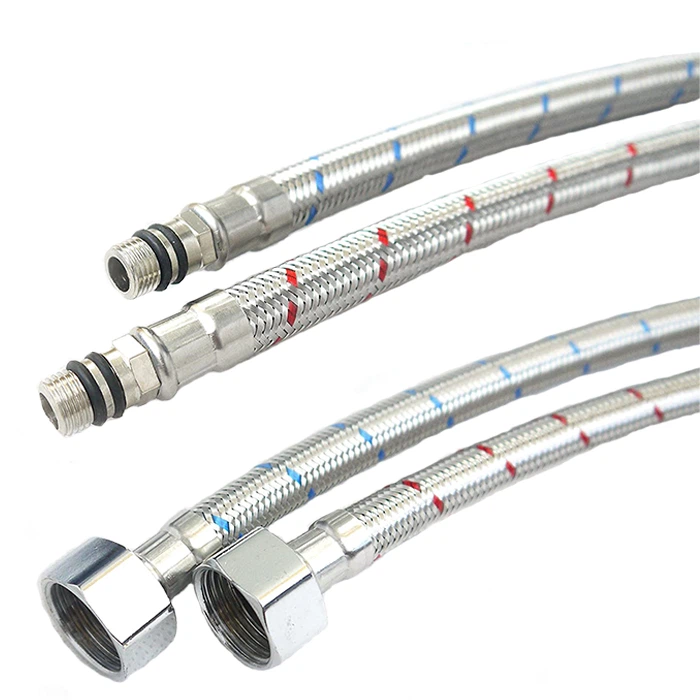
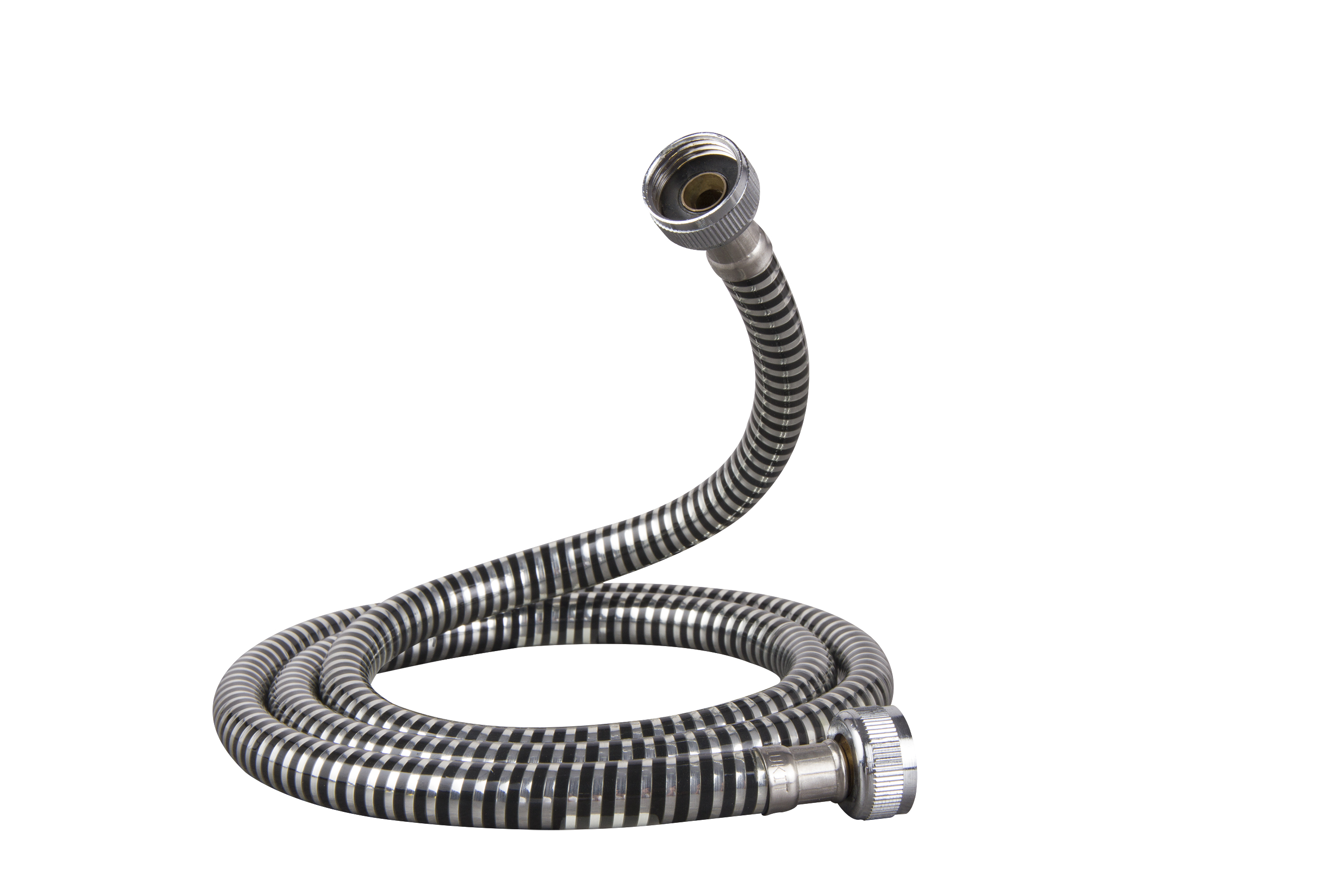
How to maximize the service life of metal hose?
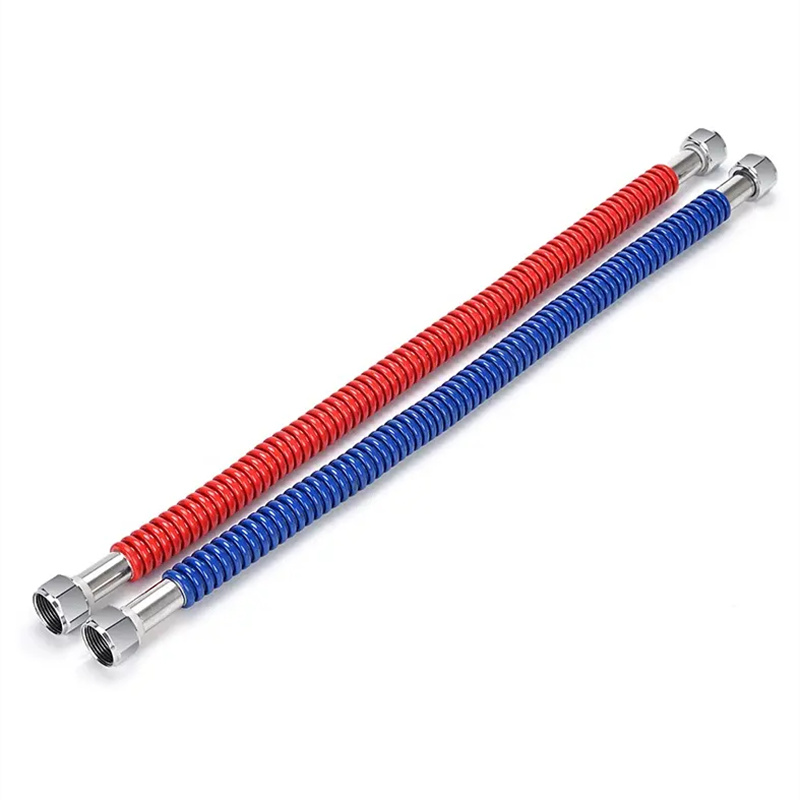
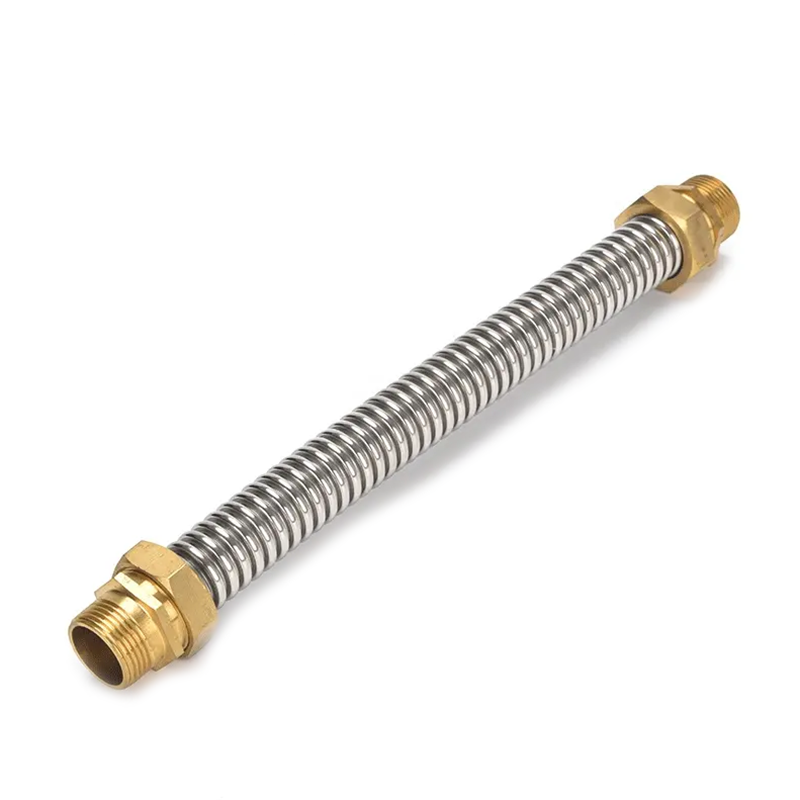
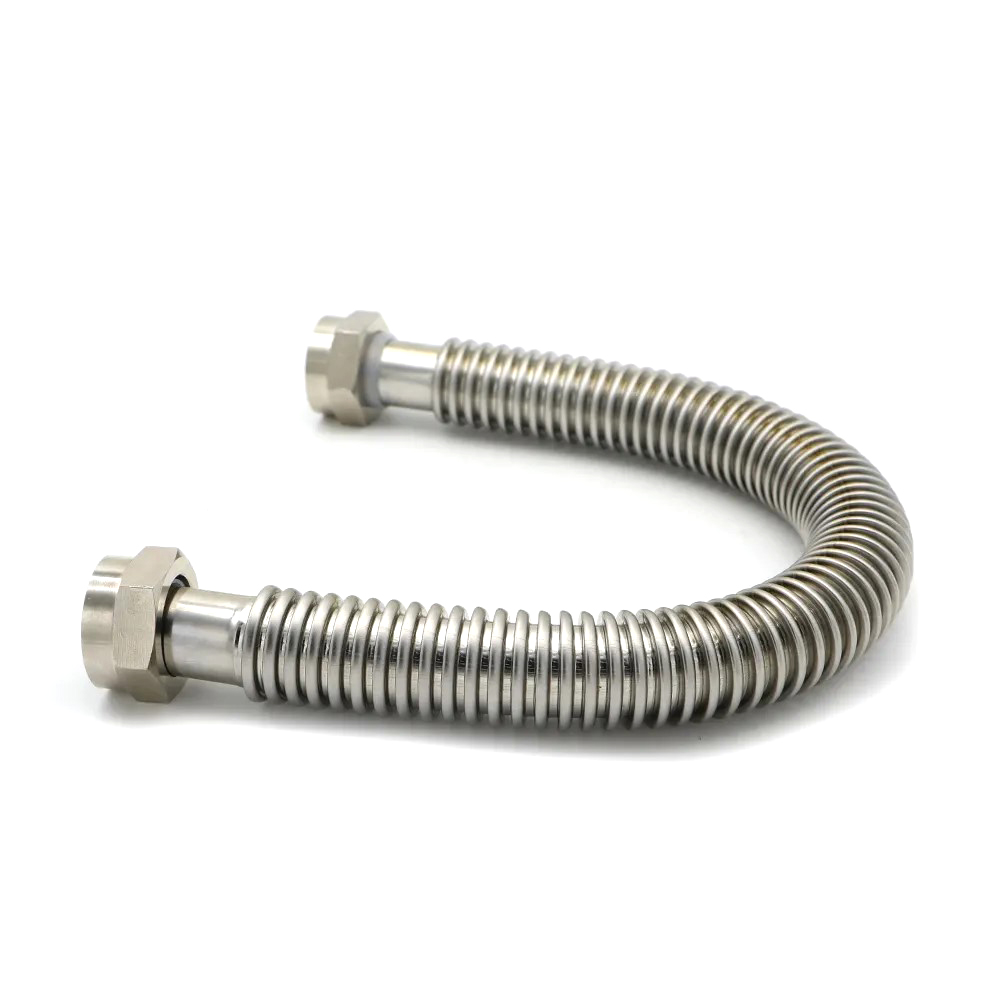
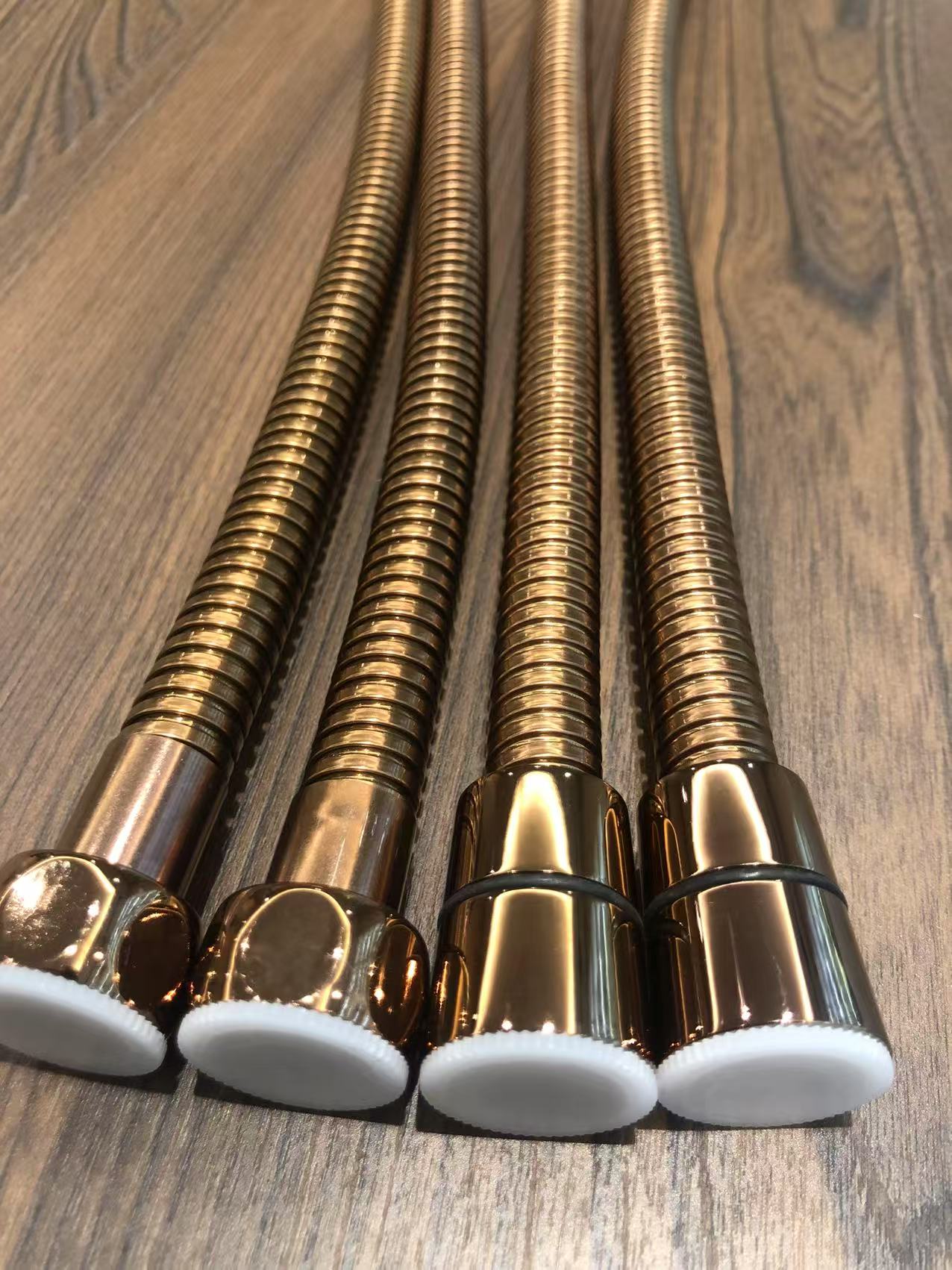
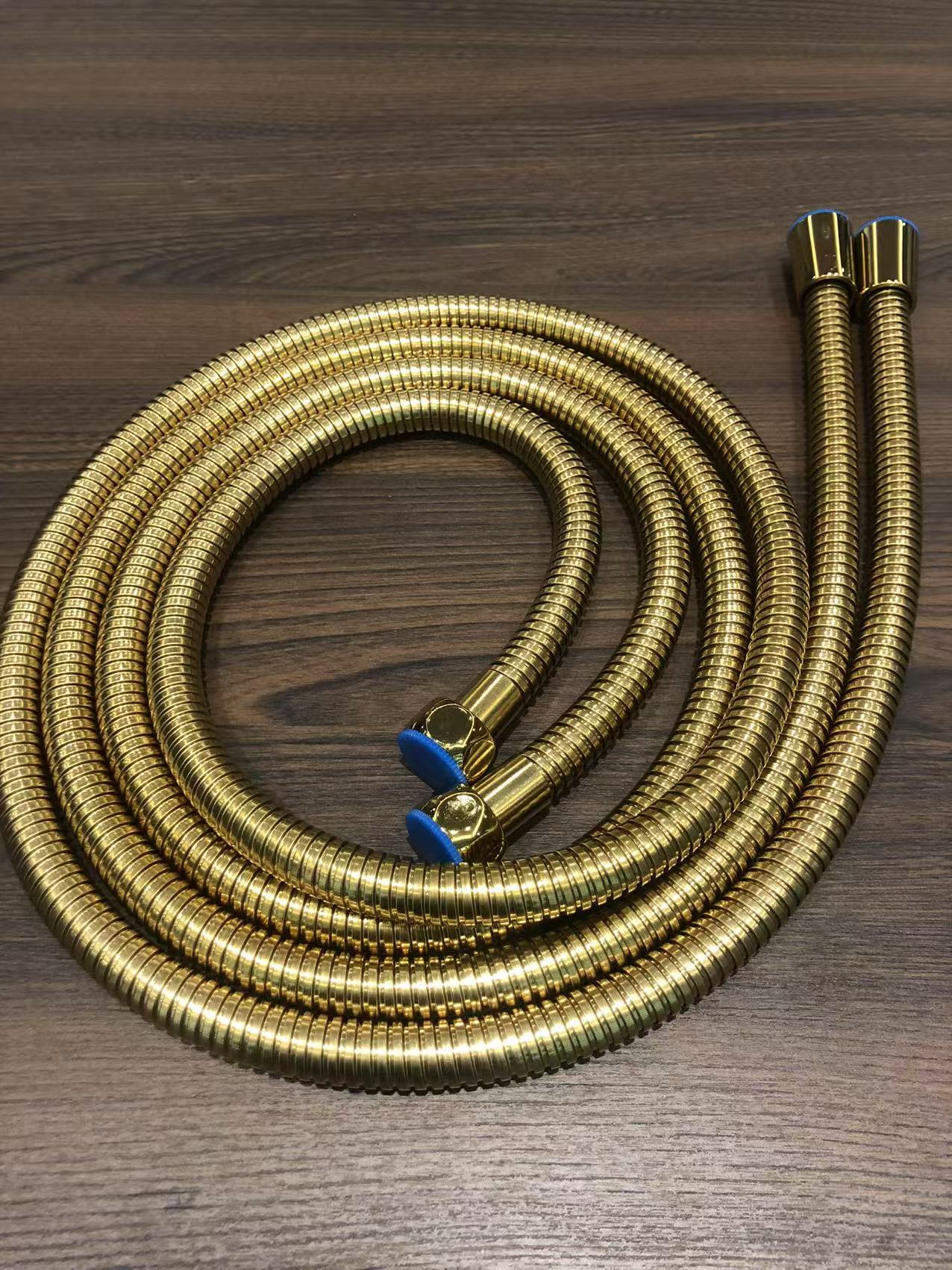
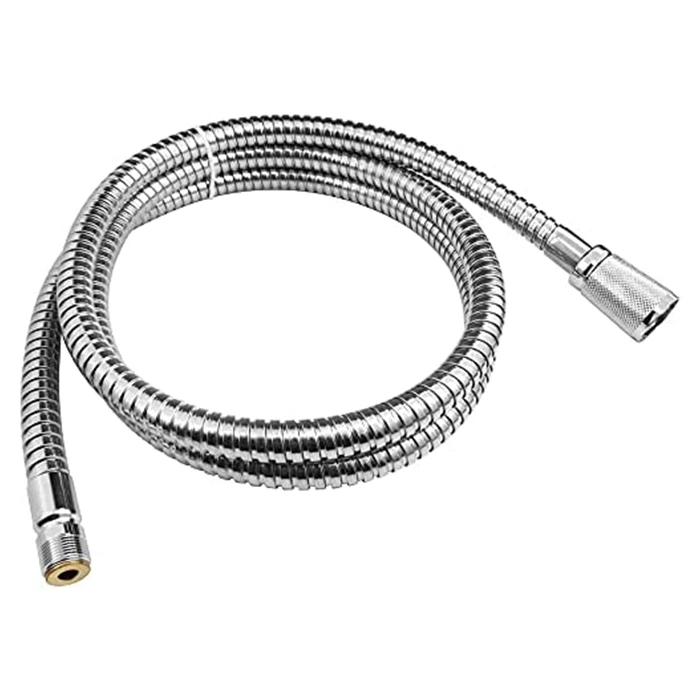
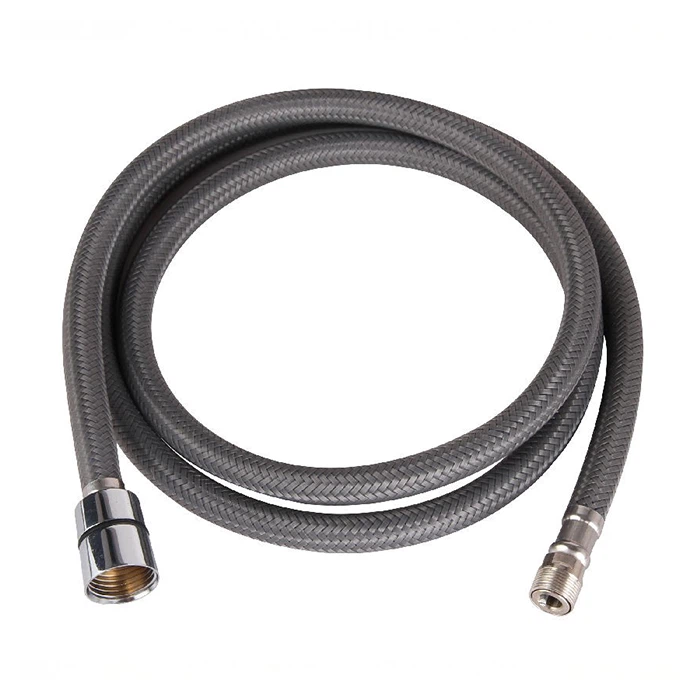
As an important connecting element, metal hose is widely used in the transportation system of liquid, gas, and granular media, its flexibility and corrosion resistance make it very important in many industrial fields.
To maximize the service life of the metal hoses, not only can the quality of the product itself be achieved, but it also needs to be correctly installed, with reasonable use and regular maintenance and other factors. The following is a multi-dimensional approach to explore how to extend the service life of metal hose strategy effectively.
1. Correct selection and specification matching
First of all, it is important to choose the right metal hose for the application environment. According to the nature of the medium (such as temperature, pressure, corrosiveness), the working pressure of the system, the operating temperature range and the expected bending radius, and other factors select the appropriate hose material (such as stainless steel, copper alloy, nickel alloy, etc.) and structure type (single, double, with braided mesh reinforcement, etc.). Ensure that the hose can withstand all the stresses under actual working conditions and avoid early failure due to improper selection.
2. Standardized installation and fixing
During installation, follow the manufacturer's installation guidelines to ensure that the hose is installed without overstretching, twisting, or too small a bend radius. Use suitable fittings and clamps to avoid hose damage caused by direct welding or over-tightening. Meanwhile, reasonable fixing can reduce the vibration and oscillation of the hose in motion, thus prolonging its service life.
3. Regular inspection and maintenance
Regularly check the integrity of the metal hose and its connecting parts, including for cracks, corrosion, wear, or signs of leakage. For any problems found, timely measures should be taken to repair or replace them. In addition, keep the exterior of the hose clean to avoid chemical residues corroding the hose surface. For hoses that are exposed to harsh environments for long periods, inspections should be conducted more frequently and additional protective measures should be taken if necessary.
4. Control of operating conditions
The service life of metal hoses is also affected by the operating conditions. Excessive working pressures and temperature fluctuations should be avoided as much as possible, as these factors accelerate the aging and fatigue of the hose material. Where possible, optimize the system design to reduce frequent bending and twisting of the hose to reduce internal stress accumulation.
5. Storage and Custody
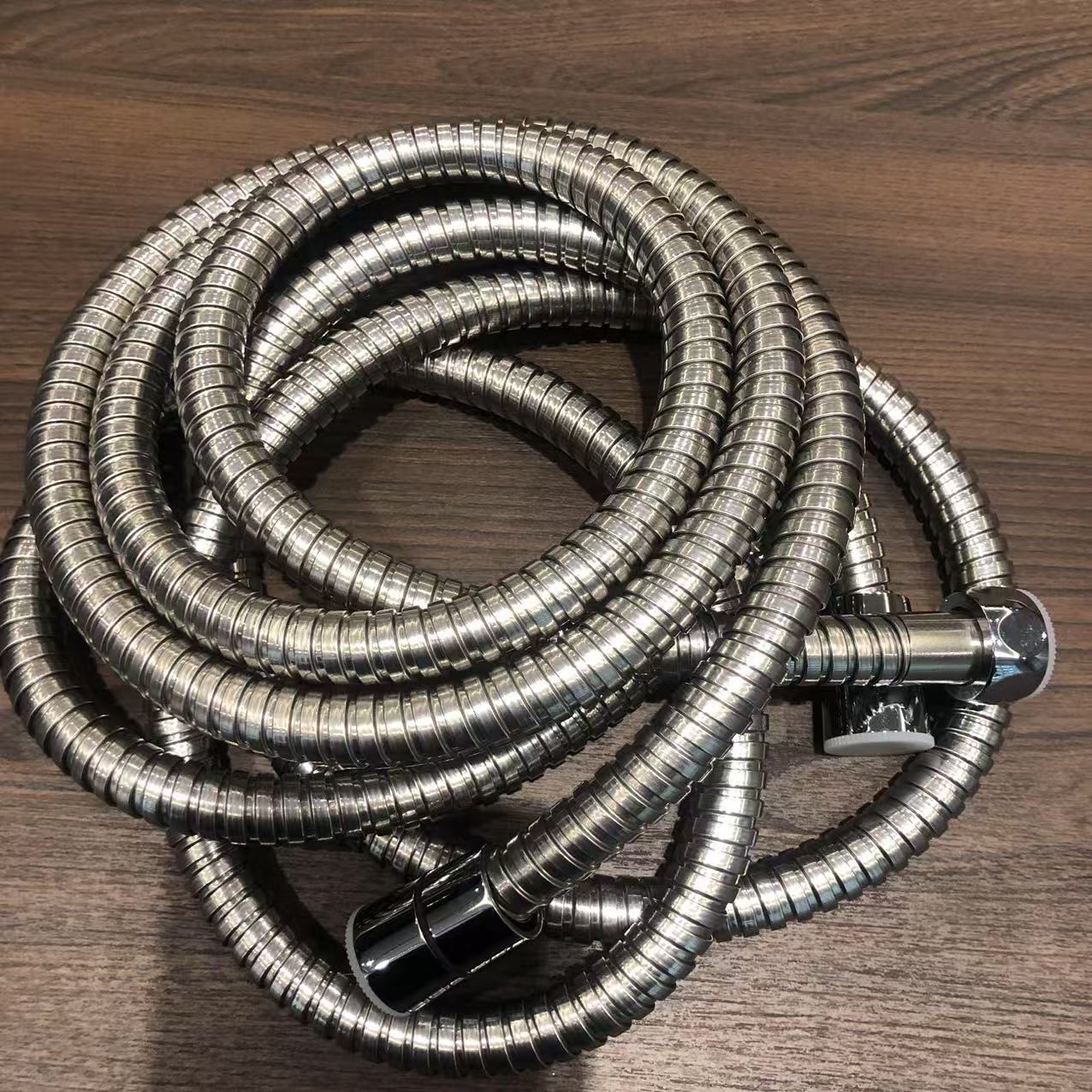
Careful consideration should be given to the storage conditions of metal hoses, even when not in use. It should be stored in a dry, well-ventilated environment, avoiding direct sunlight and humidity, to prevent the hose material from deteriorating due to environmental factors. The hose should be stored in its natural state to avoid prolonged pressure or distortion.
6. Training and Awareness Raising
Provide professional training to operators and maintenance personnel to enhance their safety awareness and understanding of the importance of metal hoses. Ensure that they can correctly identify and handle hose-related problems to avoid damage to the hose caused by improper operation.
Extending the service life of the metal hoses is a systematic project, which needs to be considered comprehensively from various aspects such as selection, installation, use, maintenance to personnel training. Through the implementation of the above measures, not only can improve the use of metal hose efficiency, but also effectively reduce the maintenance cost, for the enterprise's safe production and continuous operation to provide a strong guarantee.