
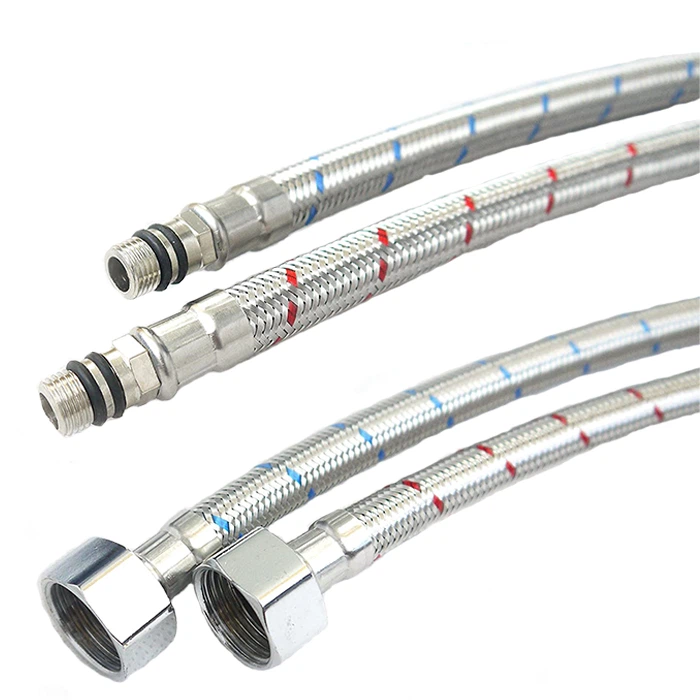
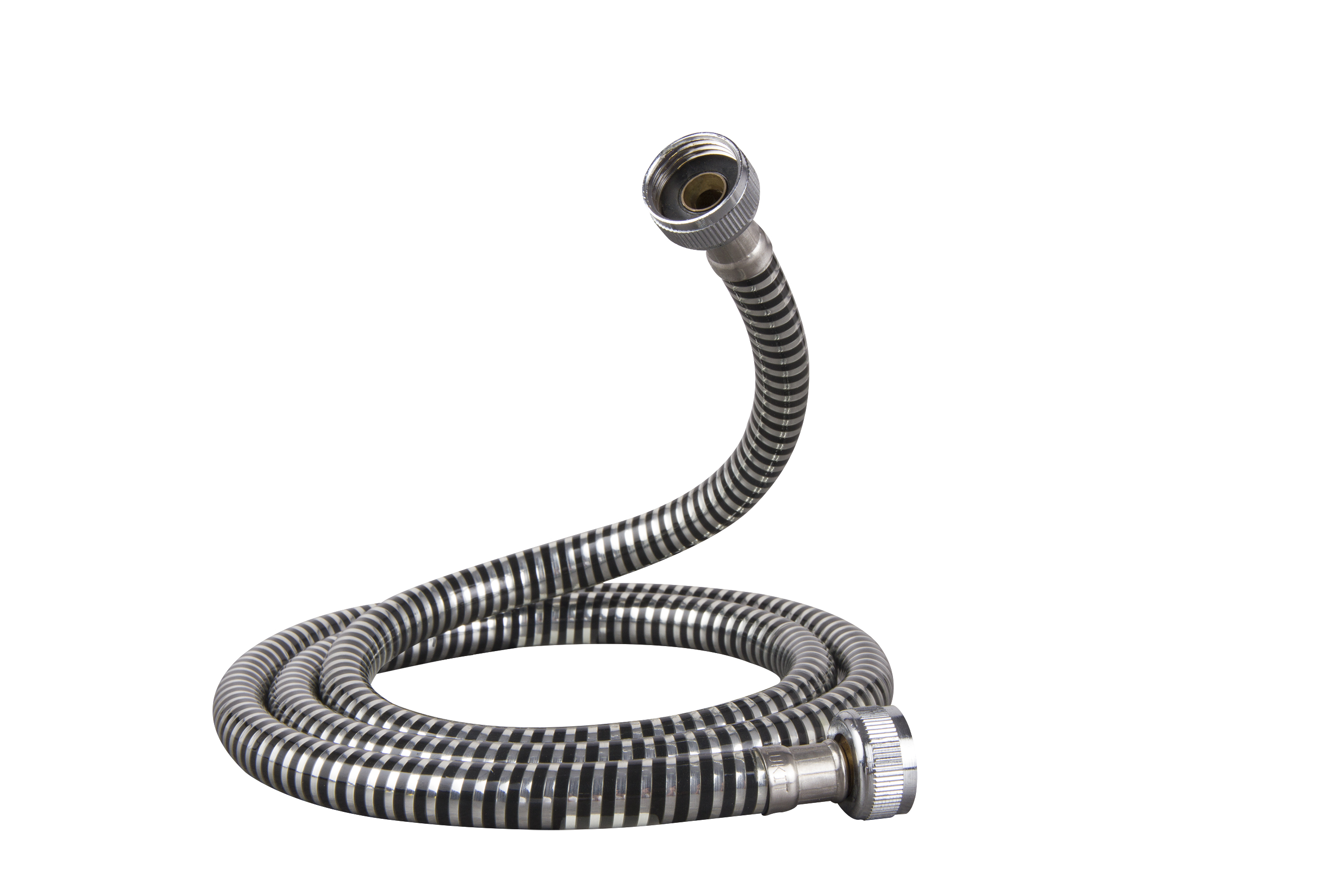
How to prevent flexible hose breakage?
Often hidden under sinks and behind appliances, hoses can pose a serious risk of water damage if care is neglected. Discover the causes of hose breakage and learn practical steps to maintain and protect these critical plumbing components. Prevent water damage in your home with our comprehensive hose maintenance guide.
Did you know that burst flexible hoses (the seemingly innocuous braided stainless steel hose under the sink) are the culprits of water damage in Australian homes? Used on everything from sinks and bathroom basins to washing machines and even water heaters, these handy connectors can turn into time bombs if left unchecked. Water pressure can cause them to burst, leading to water damage in your home.
Why hoses burst
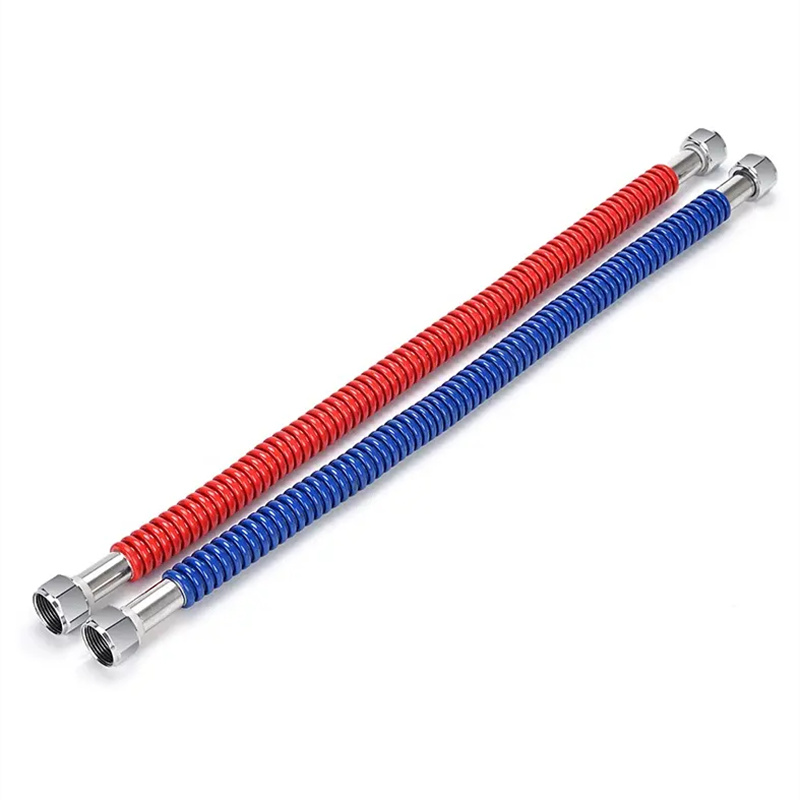
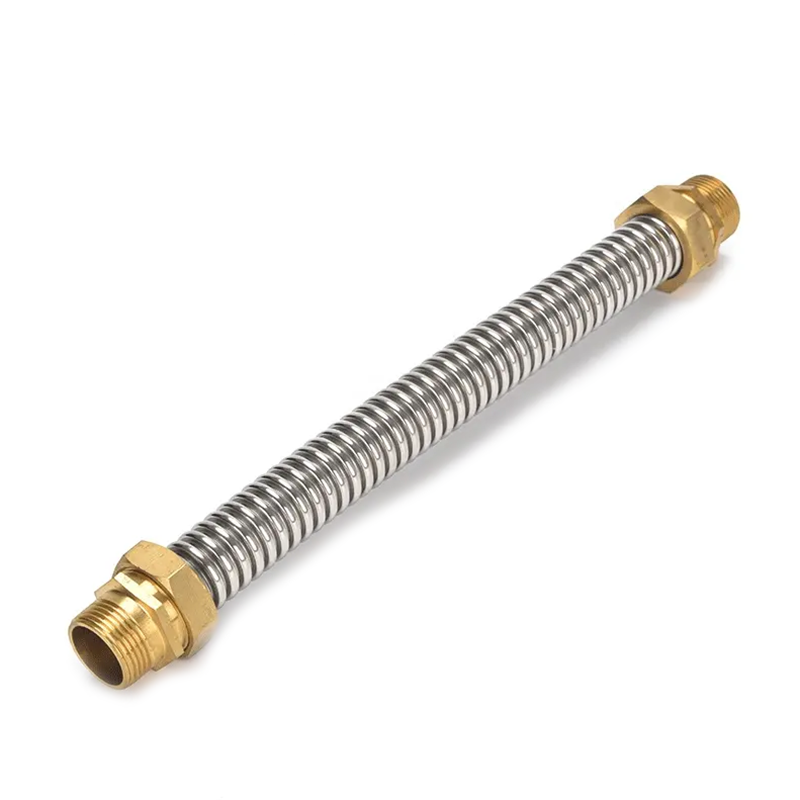
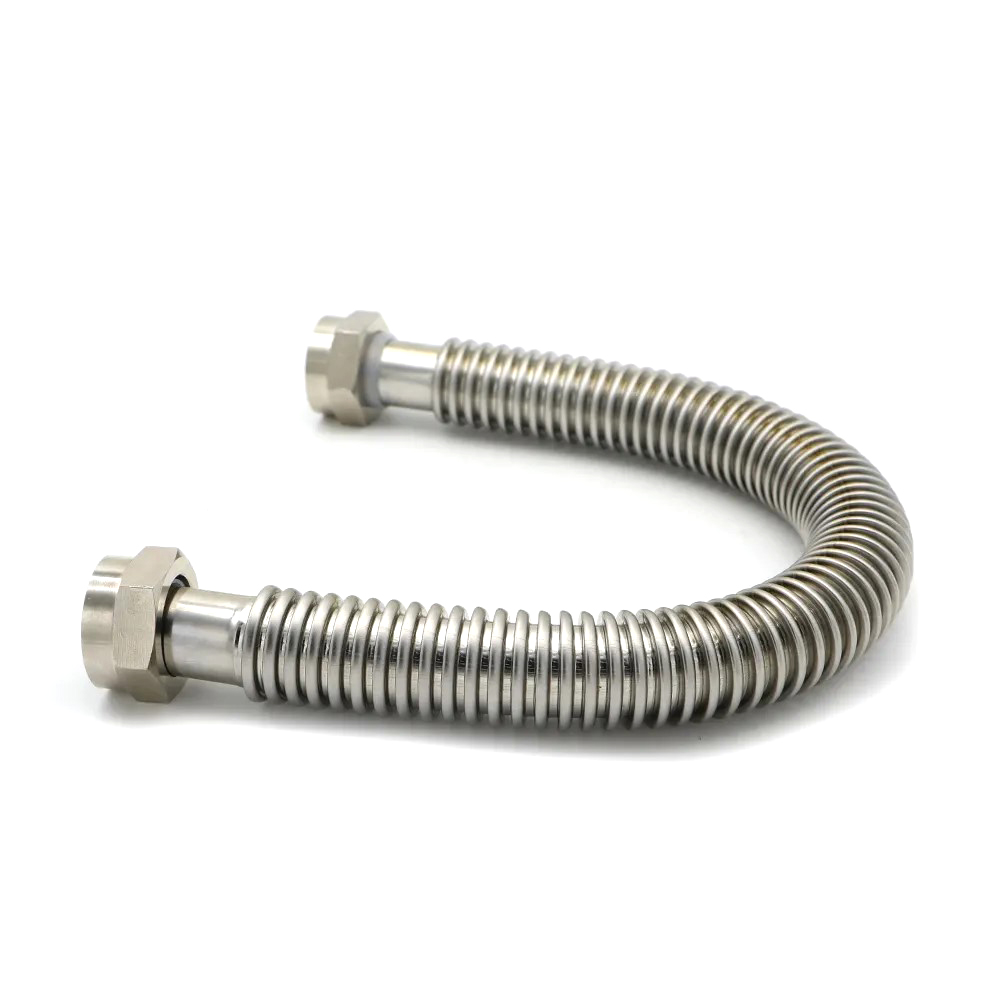
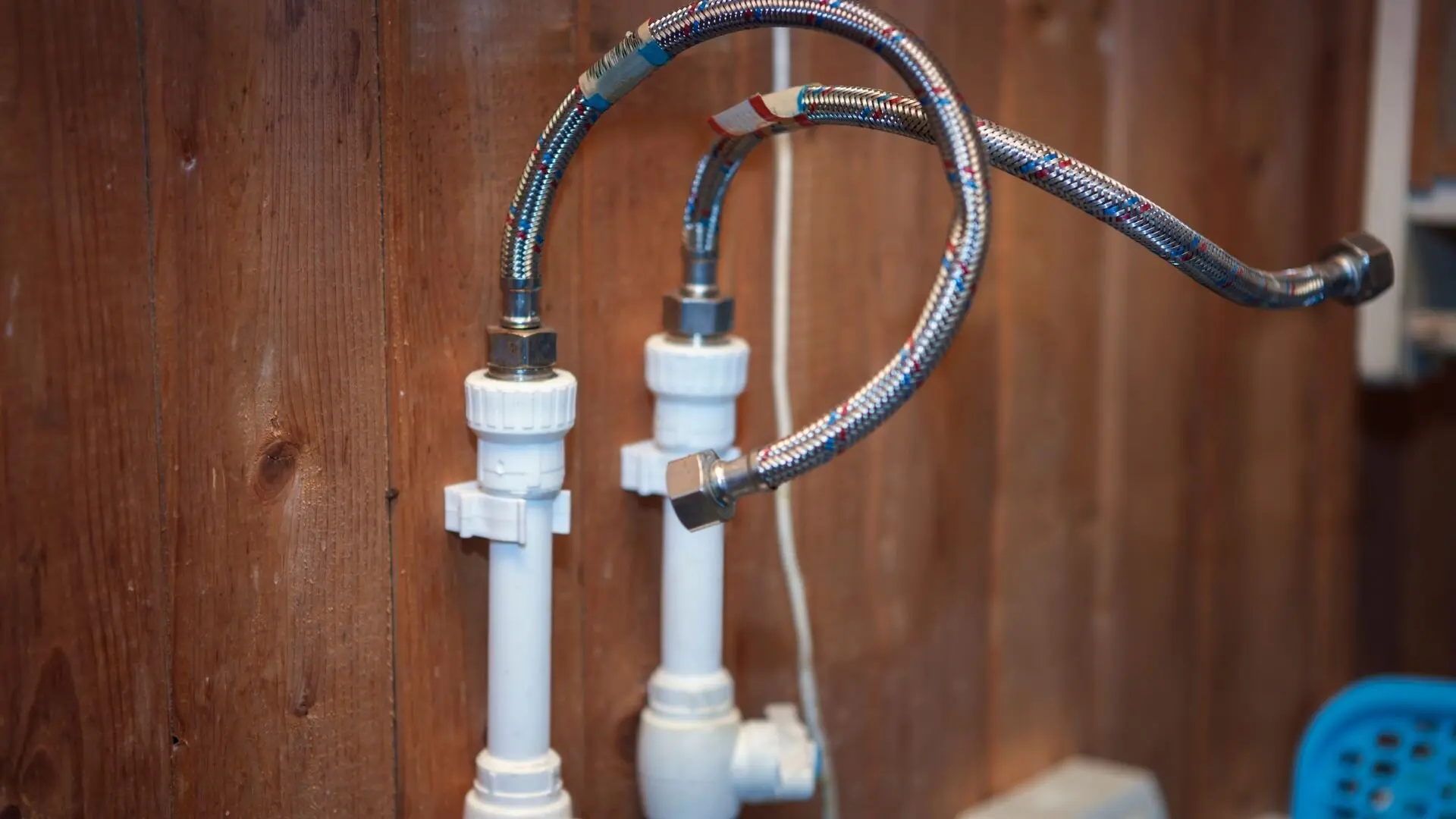
The seemingly innocuous flexible hose (a handy miracle of braided stainless steel) hidden underneath your kitchen sink or bathroom vanity can hide a danger. While these hoses connect your main water supply to faucets, washing machines, and water heaters, a ruptured flexible hose can trigger flooding. Let's explore why these handy connectors can be a silent threat in your home.
Internal Problems
Over time, the rubber tubing inside a hose can deteriorate. This natural aging process weakens the hose, making it more likely to burst under pressure. Similarly, the high water pressure from your home's main water system can put pressure on the hose, stressing the rubber tubing and braided stainless steel housing.
External threats
Installation is critical to the longevity of flexible water hoses. Improper installation (e.g., twisting or kinking the hose) can create weak points that are prone to bursting. Similarly, external damage from sharp objects or household chemicals stored under the sink can compromise the integrity of the hose.
The Flood Factor
The consequences of a ruptured hose can be devastating. Imagine this - liters of water gushing out every minute, flooding your bathroom, laundry room, or kitchen. This flooding can wreak havoc on your property, damaging fixtures, flooring, and even personal belongings. Repair costs can quickly skyrocket into thousands of dollars, leaving you facing a heavy financial blow on top of the inconvenience.
Take Control
Fortunately, there are proactive steps you can take to prevent a hose break from causing water to pool in your home. Regularly inspecting your hoses for signs of wear and tear is key. Check for cracks, leaks, or bulges in the rubber, and replace any hose that shows these warning signs. Consider installing flood valves on your water supply lines. These handy devices will minimize potential damage by automatically shutting off the main water supply in the event of a burst.
Preventative Measures to Ensure the Life of Your Hose
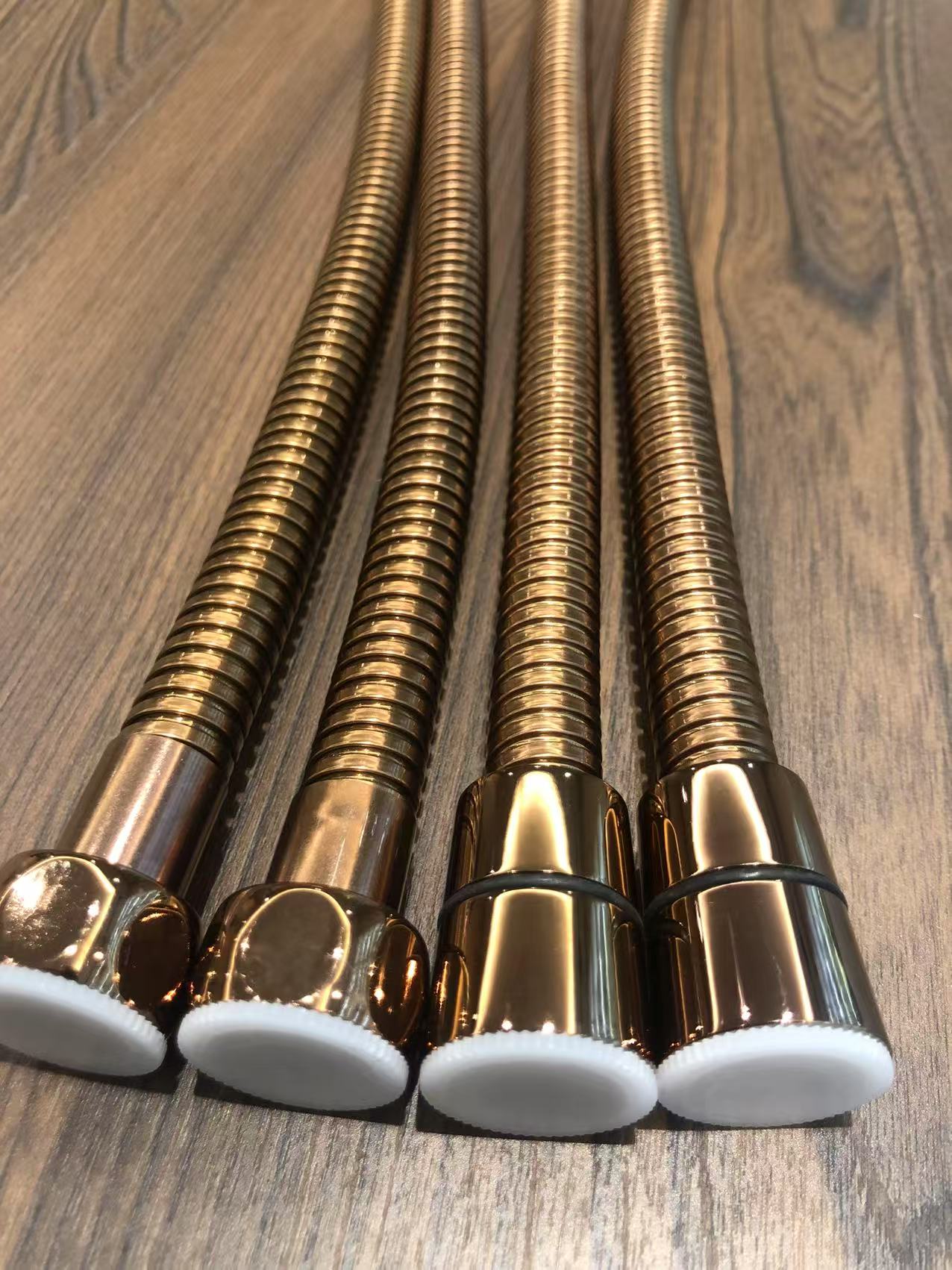
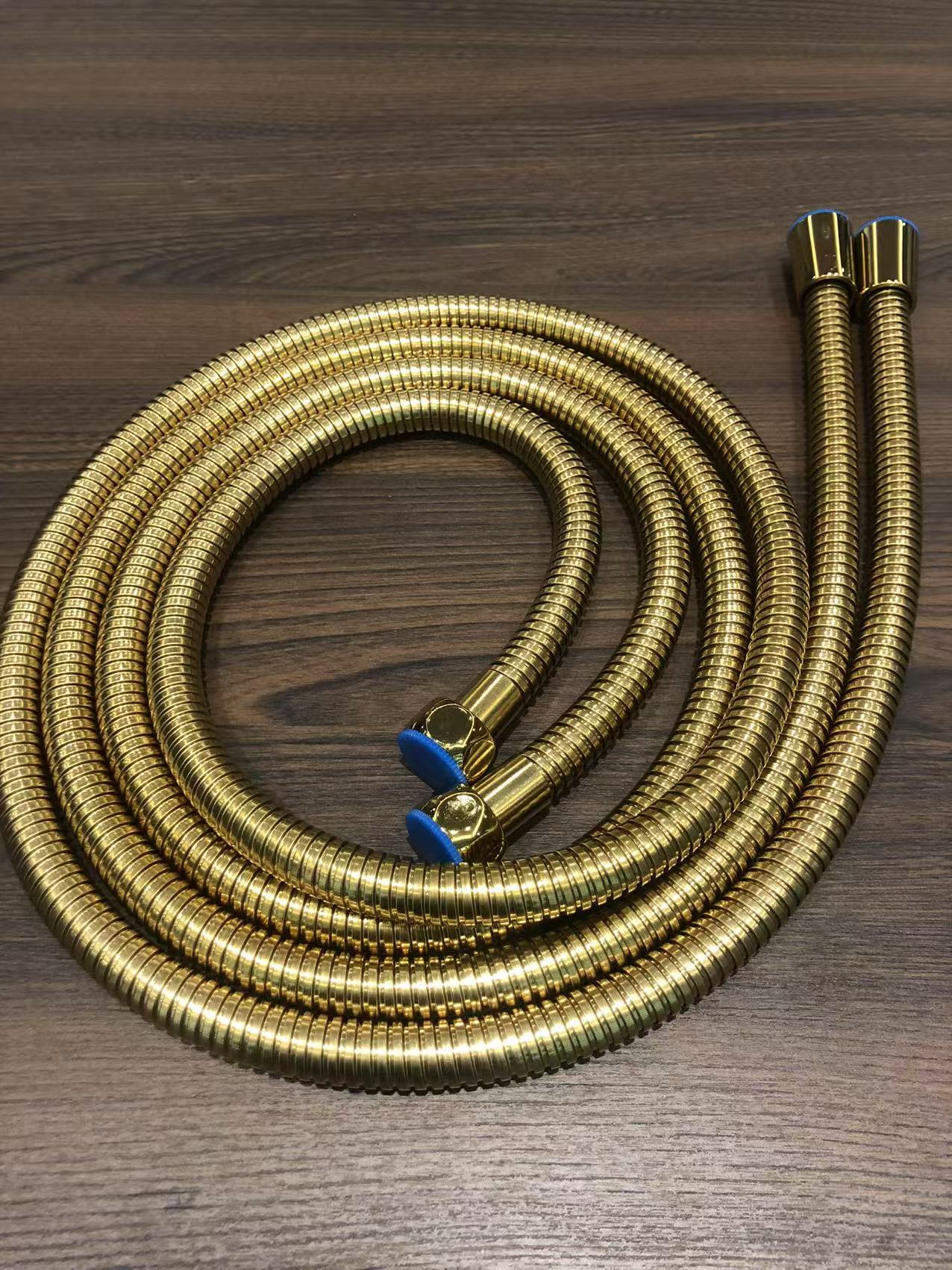
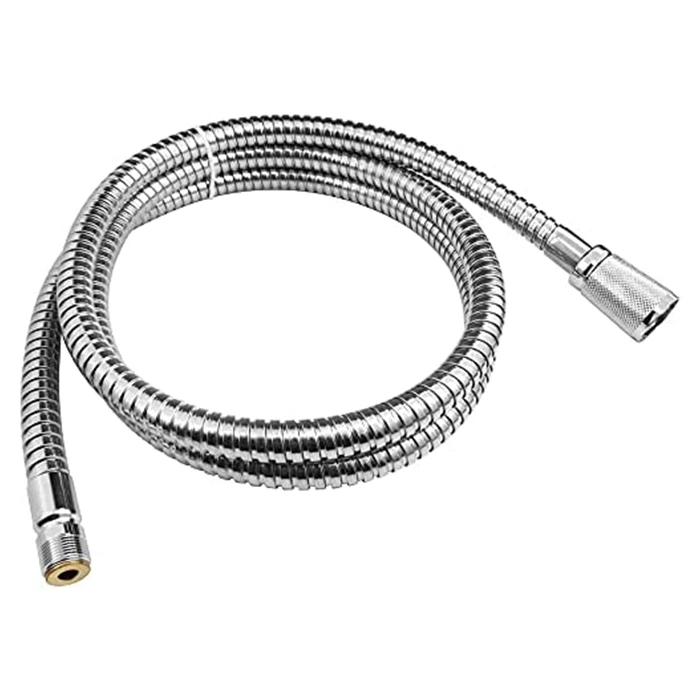
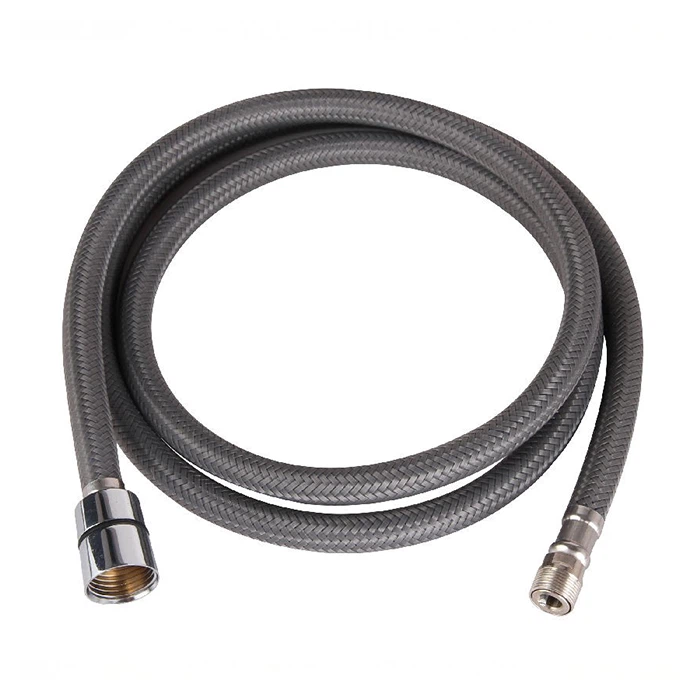
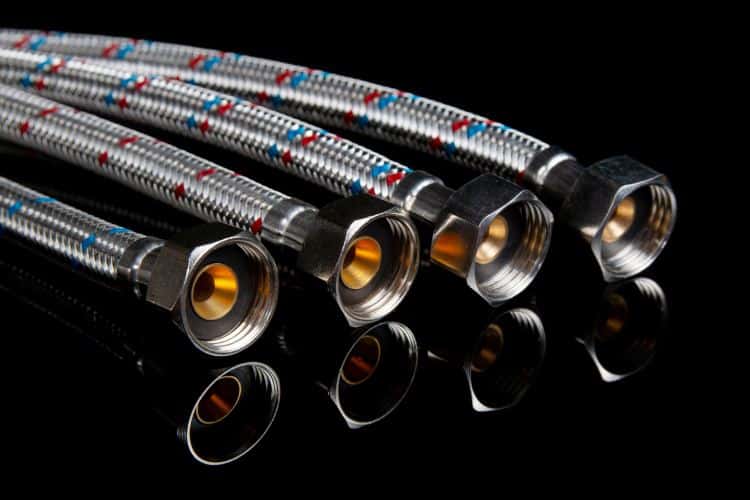
Flexible braided hoses, often referred to as flex hoses, make it easy for you to easily connect faucets, washing machines, and water heaters throughout your home. But if neglected, these seemingly innocuous hoses can turn into burst flexible hoses that can cause your home to leak.
Regular inspections: be proactive
Familiarize yourself with your hoses and get in the habit of visually inspecting them every few months. Look for signs of wear, such as cracks, bulges, or leaks. Run your finger along the hose to see if there are any weak spots or areas that feel soft or spongy. For braided metal hoses, look for any signs of rust or corrosion on the outside of the metal. Early detection is key - it's much easier and cheaper to deal with small leaks now than it is to deal with a hose rupture later.
Temperature Matters: Guard Against Extreme Weather
Extreme temperatures can cause damage to flexible plumbing. Avoid letting hot water run through your hose for as long as possible. Sustained high temperatures can weaken the internal rubber hose. If your home is located in an area prone to freezing temperatures, consider insulating exposed hoses with insulation to prevent them from freezing and rupturing.
Pressure relief: guard against high-pressure
High water pressure is another culprit that can cause a hose to burst. If you suspect that the water pressure in your home may be higher than average, consider installing a pressure-limiting valve. These valves regulate incoming water pressure, preventing it from exceeding safe limits and potentially causing a hose to burst. It is recommended to consult a licensed plumber to determine if your plumbing system requires a pressure limiting valve.
Peace of mind: isolation faucets can be turned off quickly
Imagine if you discovered a leak in your washing machine hose. Instead of scrambling to shut off the water supply to your entire house, wouldn't it be easier to just isolate the washing machine? Isolation faucets that are installed on the water line connected to the hose offer this benefit. These faucets allow you to minimize potential water damage by shutting off the water supply to a specific hose in the event of a leak or burst. This can save lives, especially for hoses connected to appliances such as washing machines or dishwashers.
By following these simple but effective precautions, you can significantly extend the life of your hose and protect your home from the potential disaster of a burst hose. Remember, a little vigilance will ensure that your plumbing system runs smoothly and that your home insurance is not burdened with accidental damage insurance claims.
What to do when a hose bursts
A bursting hose in your home can be a frightening event. Here are ways to stay safe and minimize damage:
1. Stay calm and act quickly. A ruptured hose can spew out several liters of water per minute, so time is of the essence.
2. Turn off the water supply immediately. If you have isolation flood valves installed in the line of your water supply hose, use them to isolate the burst hose. Otherwise, locate your home's main stopcock and close it completely.
3. Contain the leak. Take a towel or bucket and place it under the burst hose to collect the leaking water. This will help prevent the water from spreading and damaging your home further.
4. Call a licensed plumber. Do not try to repair a burst hose yourself. A licensed plumber can assess the situation, replace the damaged flexible braided hose, and ensure that your plumbing system is operating safely.
The likelihood of a hose rupture increases with use. Consider replacing hoses every five to ten years, even if they don't appear to be damaged. It is recommended that isolation flood valves be installed on lines that supply water to kitchen sinks, bathroom fixtures, and other appliances connected through hoses. This allows you to quickly shut off the water supply to a specific fixture in the event of a leak or burst. Taking control of the situation quickly and following these steps can prevent a hose rupture from turning into a major disaster. Remember, even small leaks can lead to serious water damage if left unchecked.