
How to use braided hose correctly?
Braided hoses are used in various industrial, household, and automotive applications. Their flexibility and durability make them ideal for transmitting fluids, gases, and other media. In order to ensure the safe and efficient operation of braided hoses, we must master the correct use of methods. The following will detail how to correctly use the braided hose.
I. Choose the right braided hose
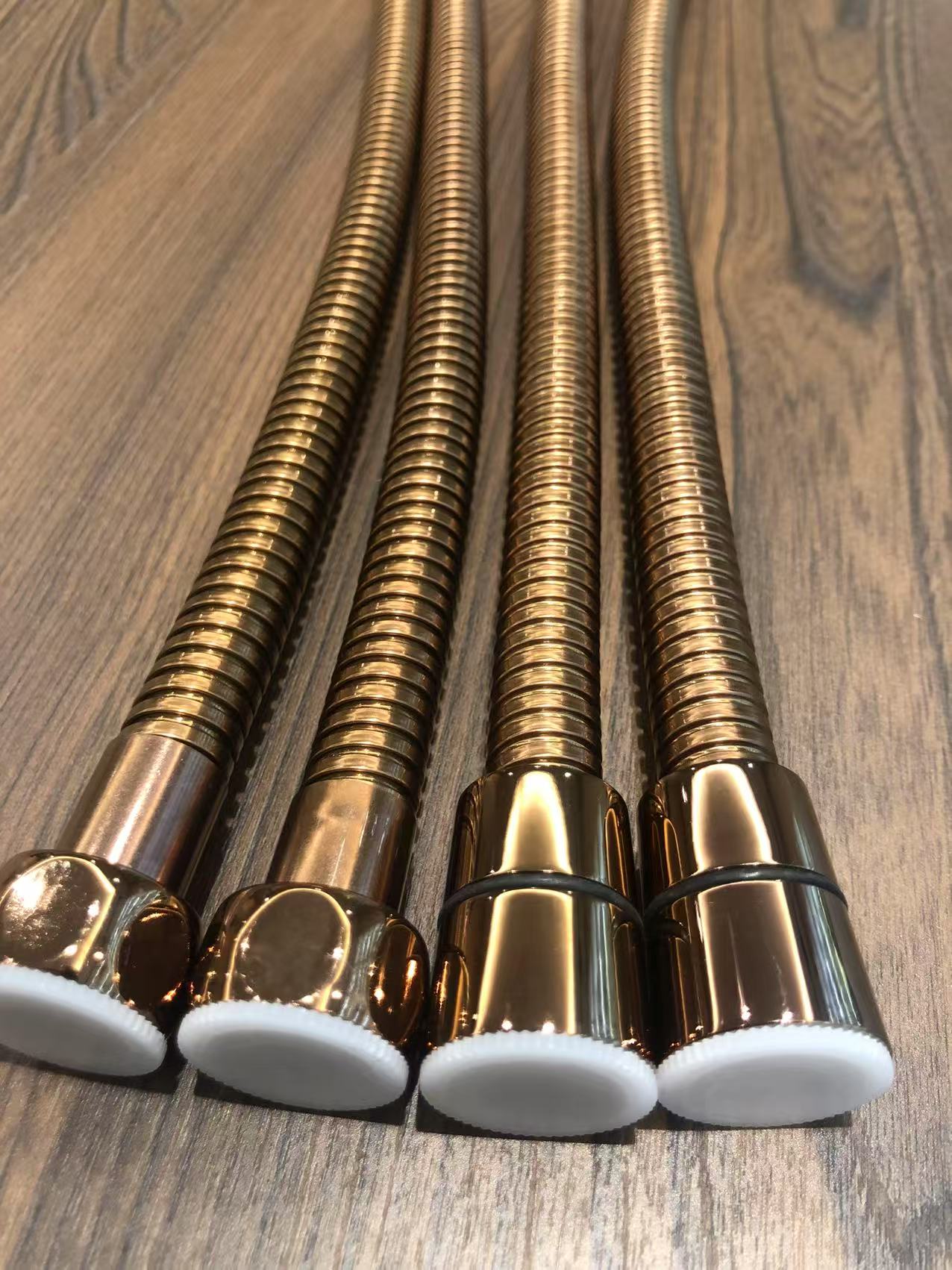
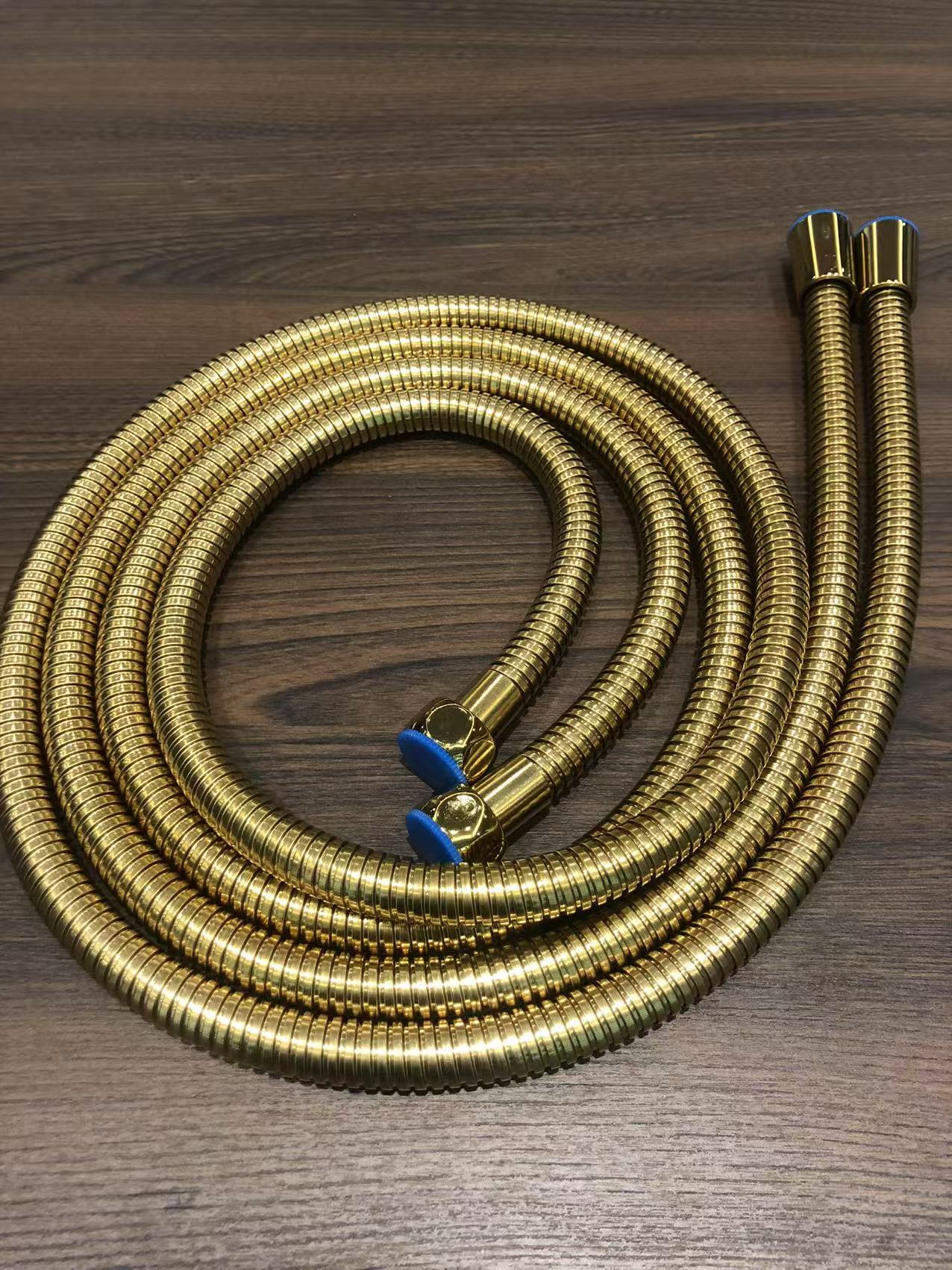
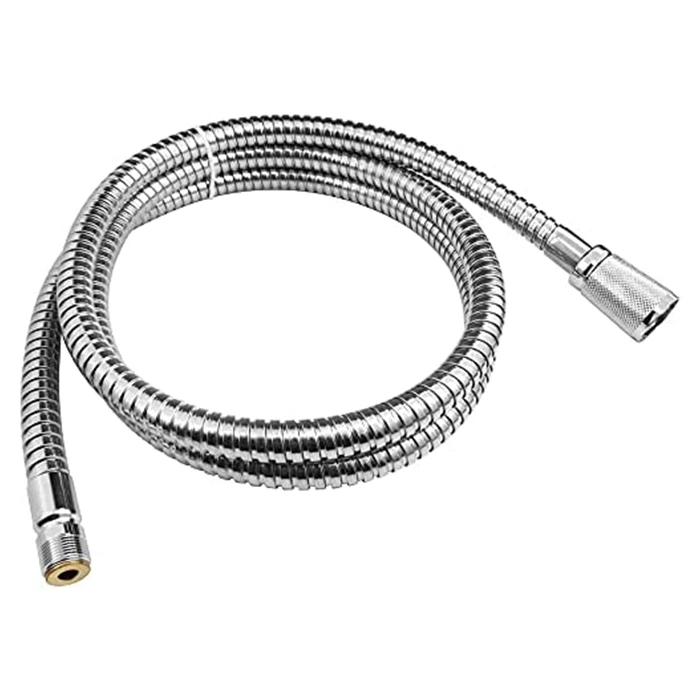
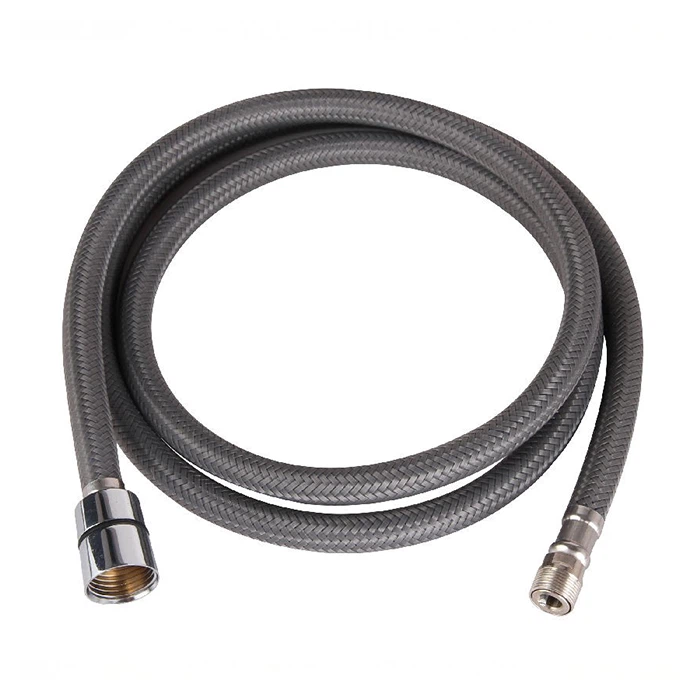
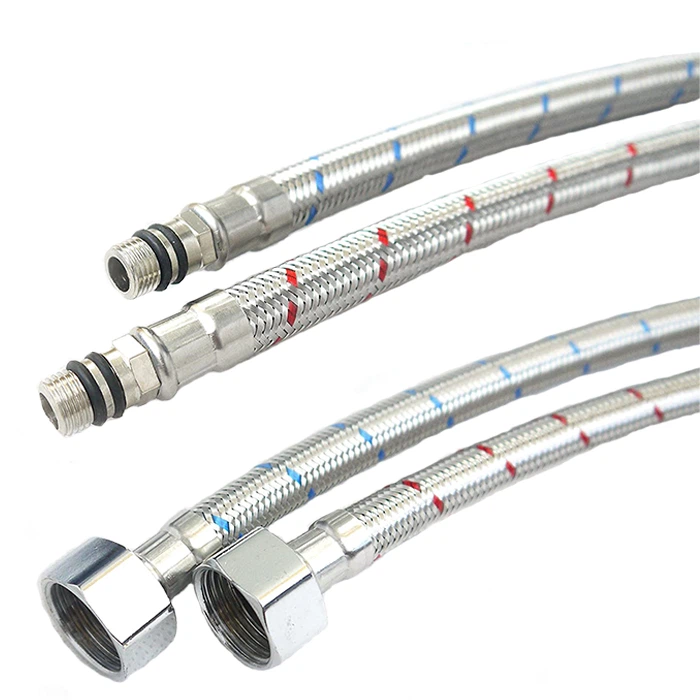
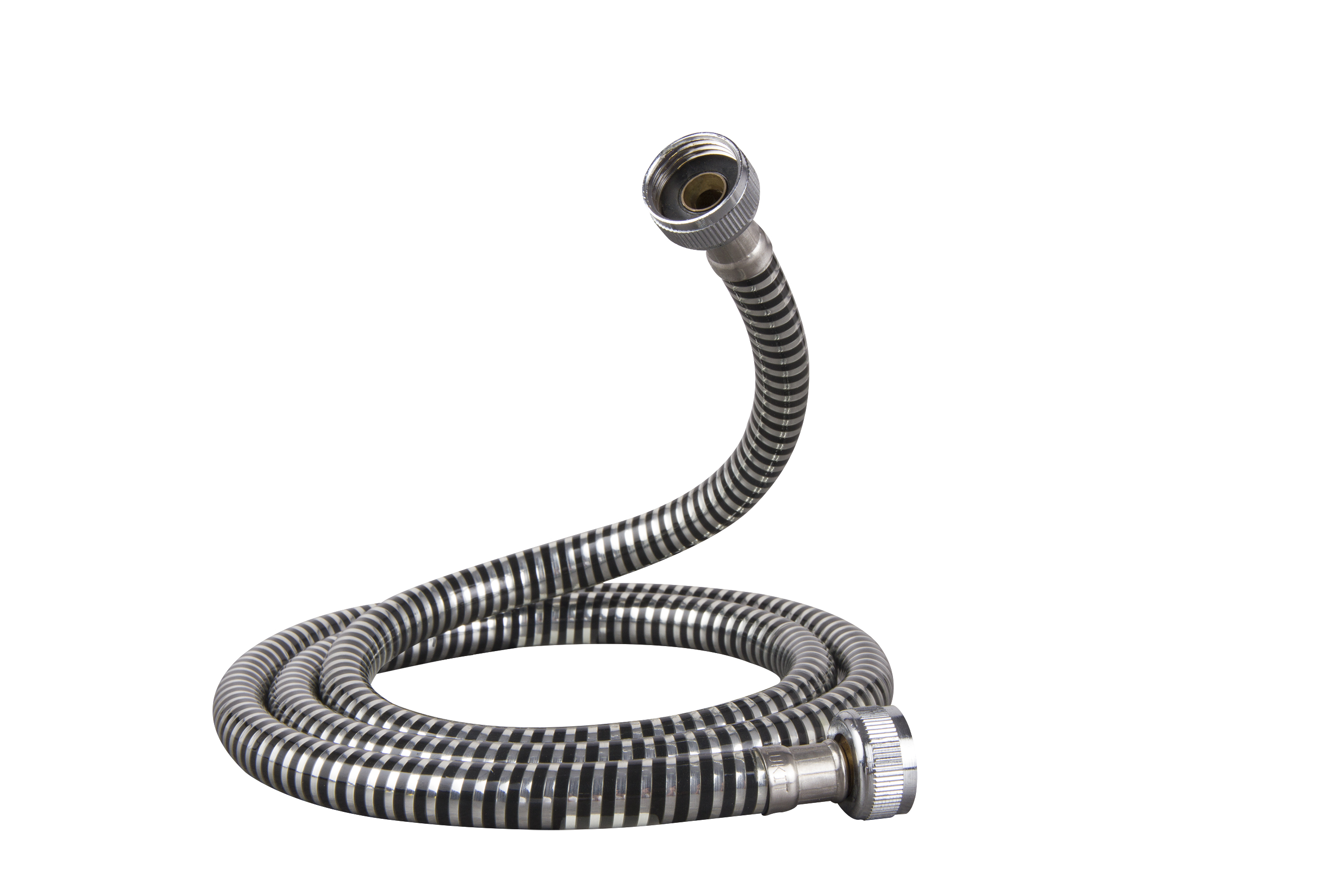
Different application scenarios have different requirements for braided hoses. When selecting, first of all, we must clarify the type of medium to be transmitted (such as liquid, or gas), working pressure, temperature range, and the environment in which the hose is to be used (such as whether it is exposed to sunlight, whether it is in contact with corrosive substances, etc.). These factors will directly affect the choice of hose material, such as PVC, rubber, stainless steel, and so on. In addition, the length and diameter of the hose as well as the density of the braided layer should be reasonably selected according to the actual needs.
II. The correct installation of a braided hose
Before installation, make sure that the connectors at both ends of the hose are perfectly matched with the connected pipes or equipment to avoid leakage or damage caused by using unsuitable connectors.
When installing, connect one end of the hose to the fixed equipment, then slowly stretch the hose to the other end to avoid overstretching or twisting, so as not to damage the internal structure of the hose.
Use special clamps or clips to secure the hose in the desired position to ensure a tight and secure connection.
During installation, check the hose for damage, scratches, or deformation, and replace it immediately if found.
III. Precautions for use and maintenance
When using the braided hose, avoid exposing it to extremely high or low temperatures to avoid affecting its performance and service life.
Regularly check whether there is any leakage in the hose and its connecting parts, if found, it should be dealt with in time.
Avoid pressing heavy objects on the hose to avoid deformation or rupture of the hose.
When cleaning the hose, use mild chemical cleaners and avoid using strong acids, alkalis, and other corrosive substances.
If the hose is found to be worn and aged during use, it should be replaced with a new hose in time to ensure safety.
IV. Regular replacement and scrapping
Braided hose as a consumable, its service life is limited. Therefore, in the process of use, the hose should be regularly inspected and evaluated, and a reasonable replacement plan should be made according to the actual condition and service life of the hose. For hoses that have reached the end of their service life or are seriously damaged, they should be scrapped and replaced with new hoses in time to avoid potential safety hazards.
Correct use of a braided hose is the key to ensuring its safe and efficient operation. By choosing the right hose, installing it correctly, and paying attention to the use and maintenance as well as regular replacement and scrapping and other measures, the service life of the hose can be maximized, the failure rate can be reduced, and the smooth running of production or life can be ensured.