
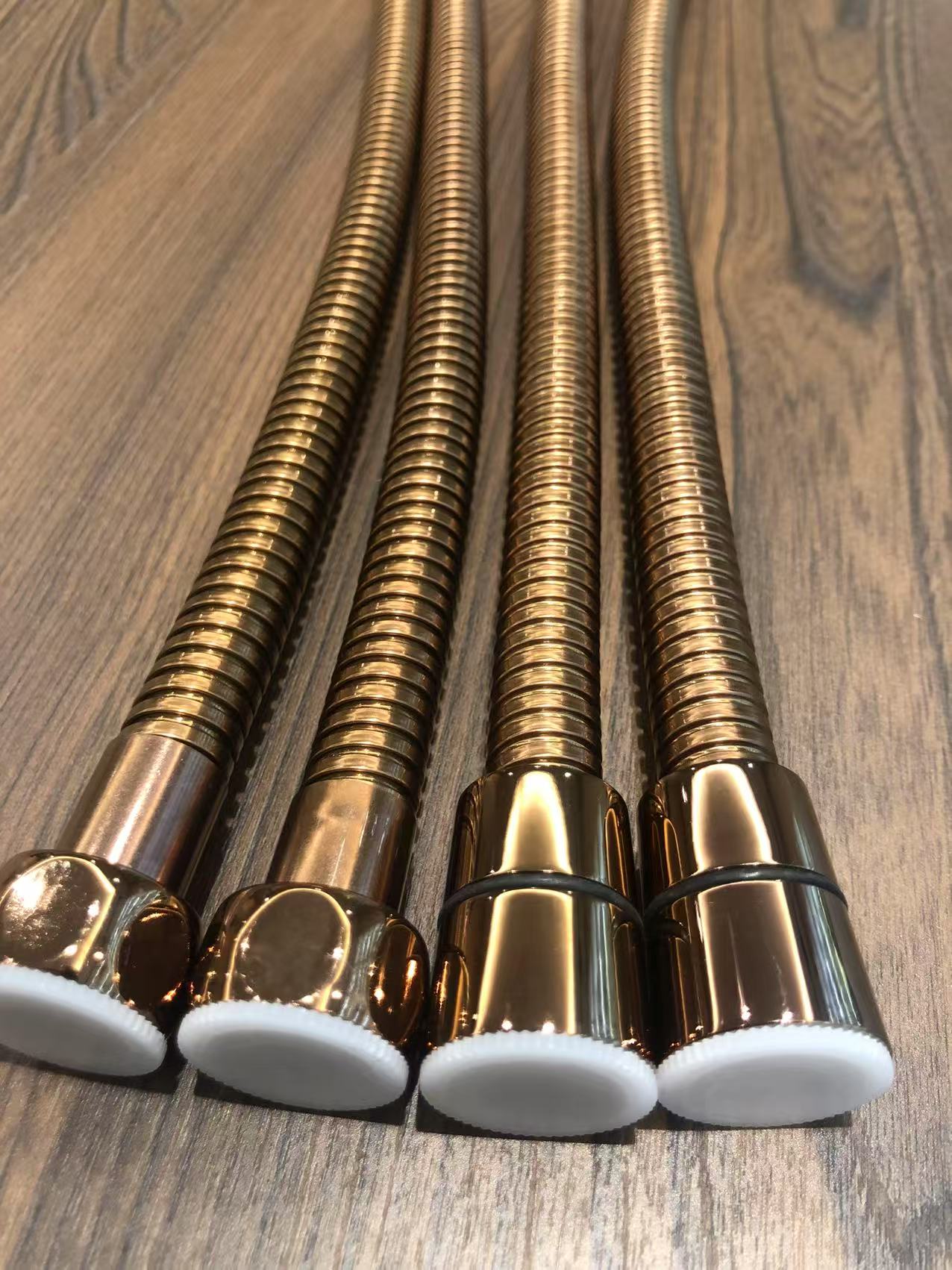
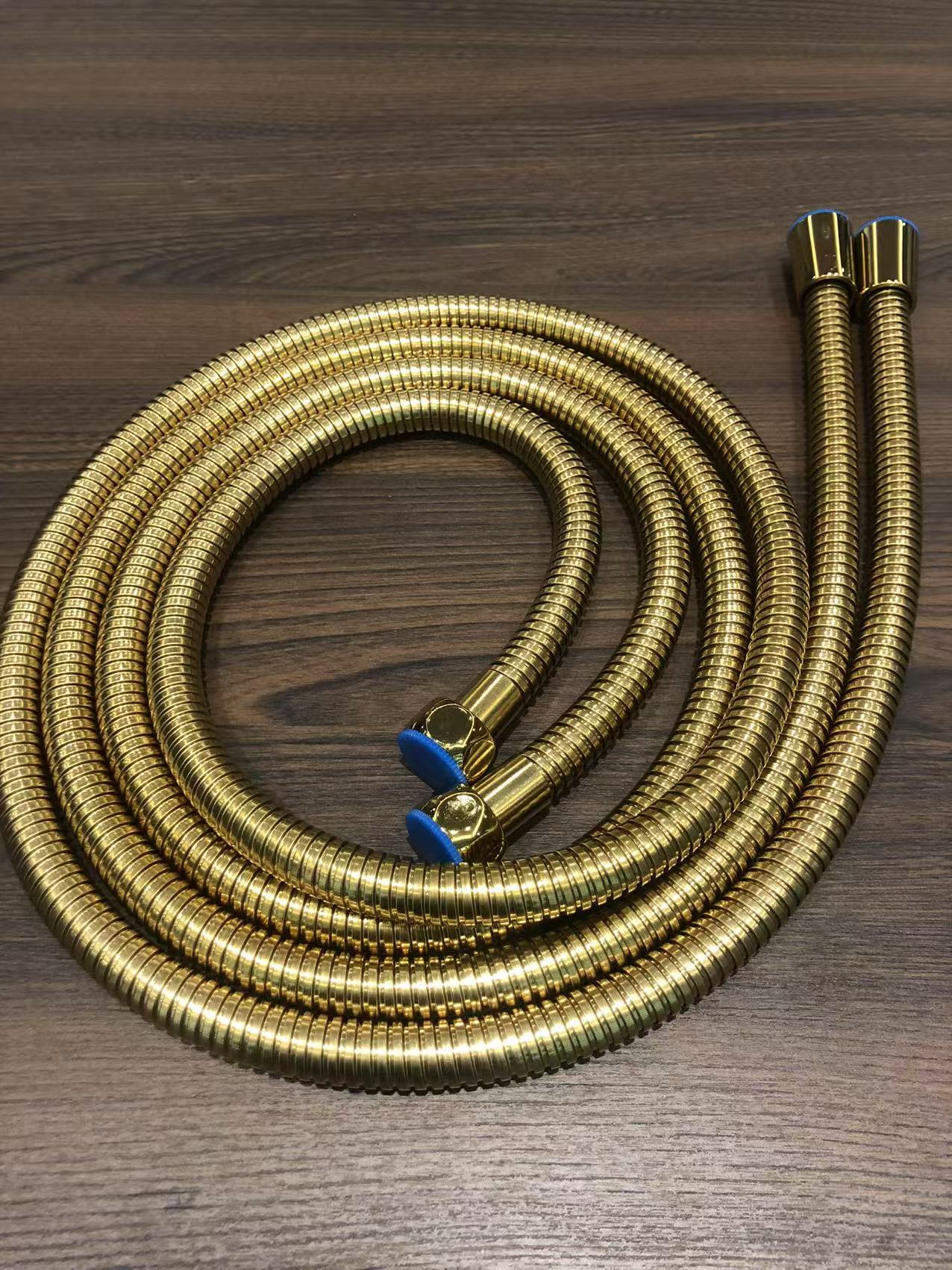
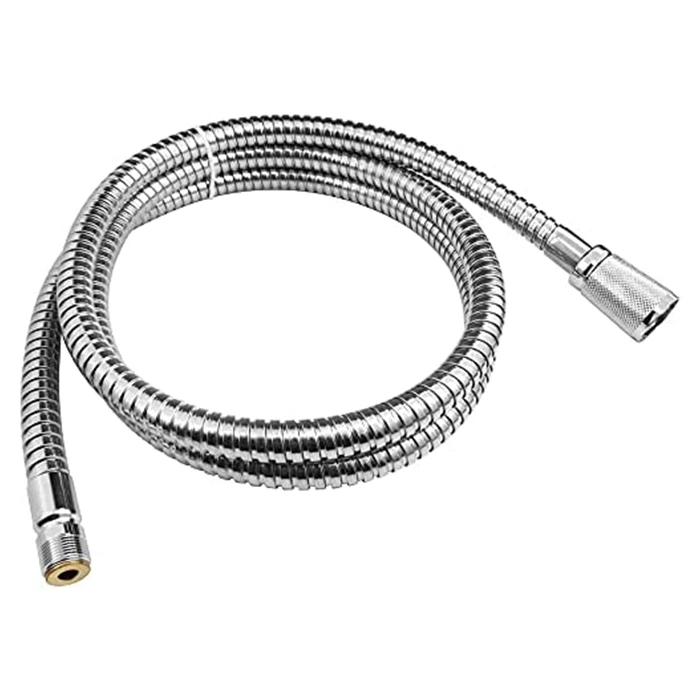
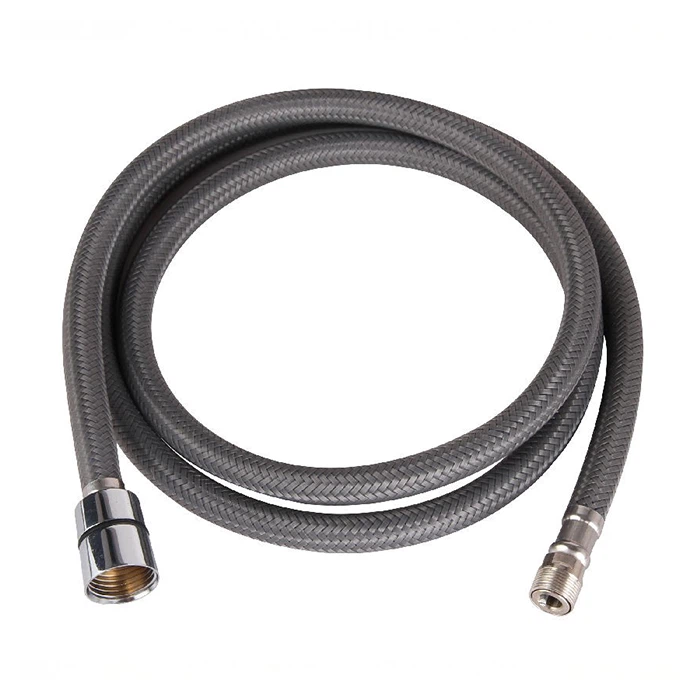
What are the advantages and disadvantages of using flexible metal hoses for plumbing applications?
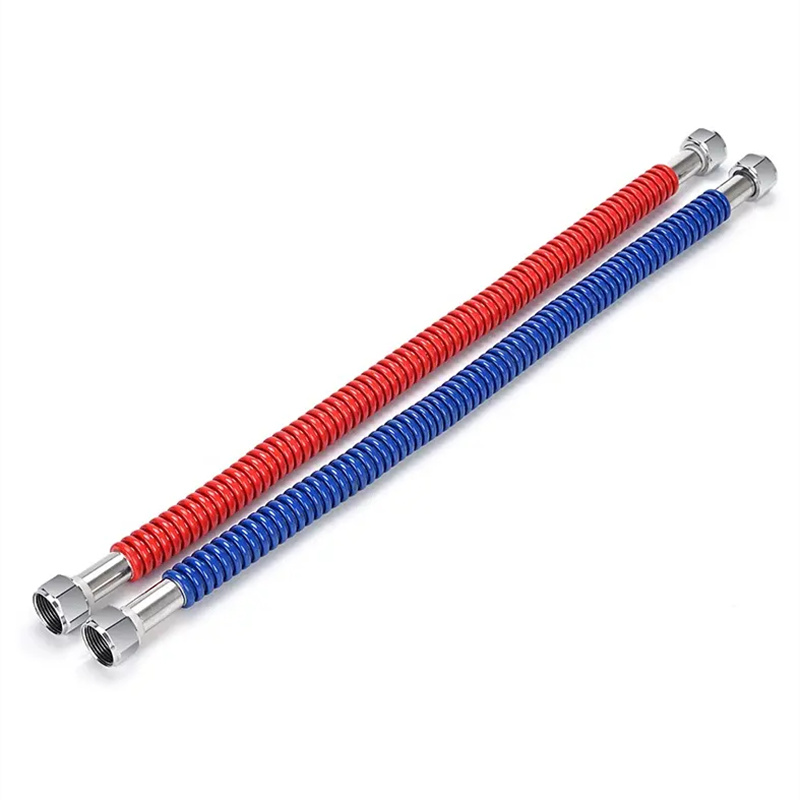
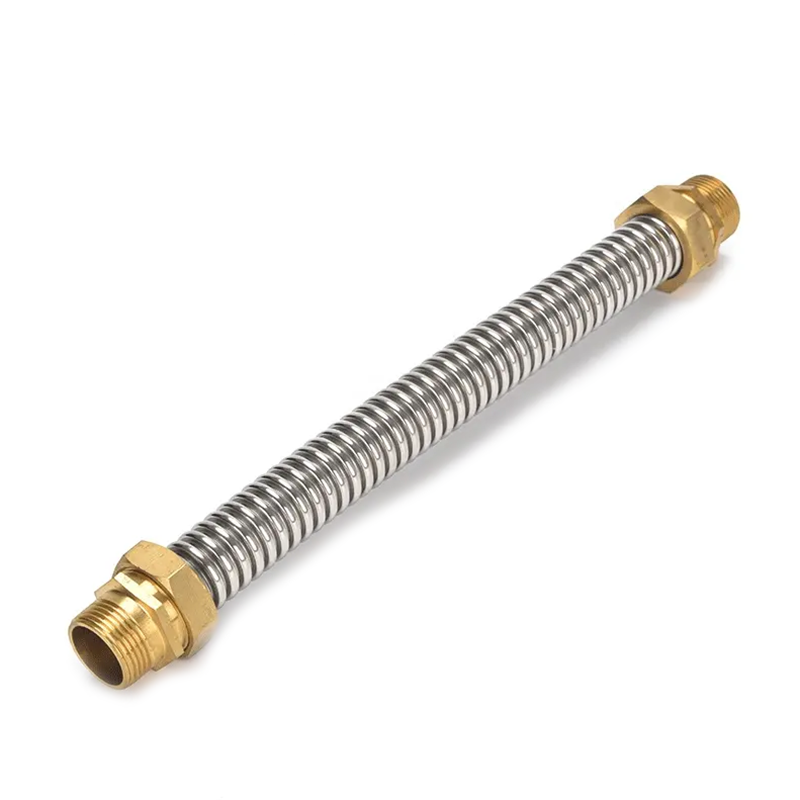
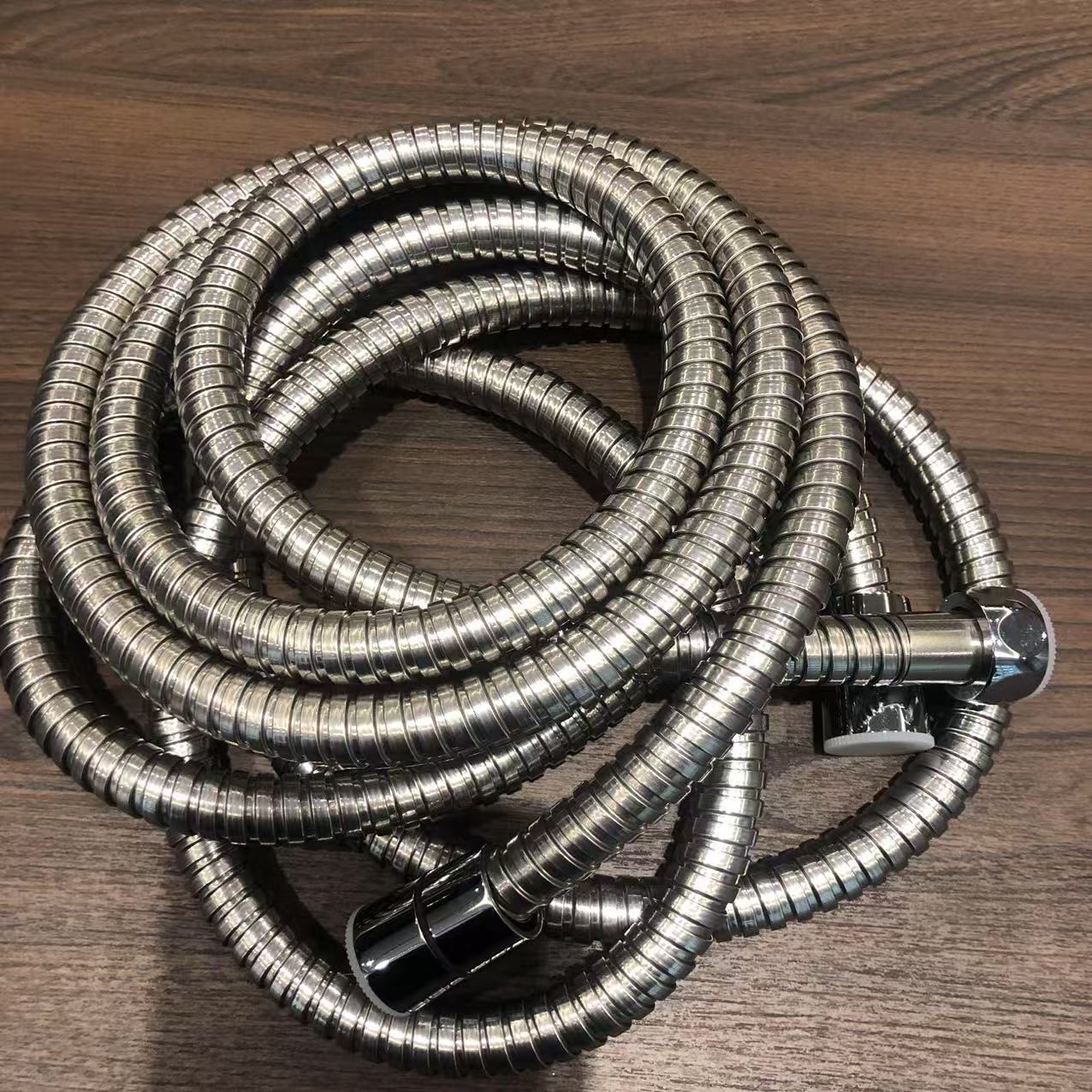
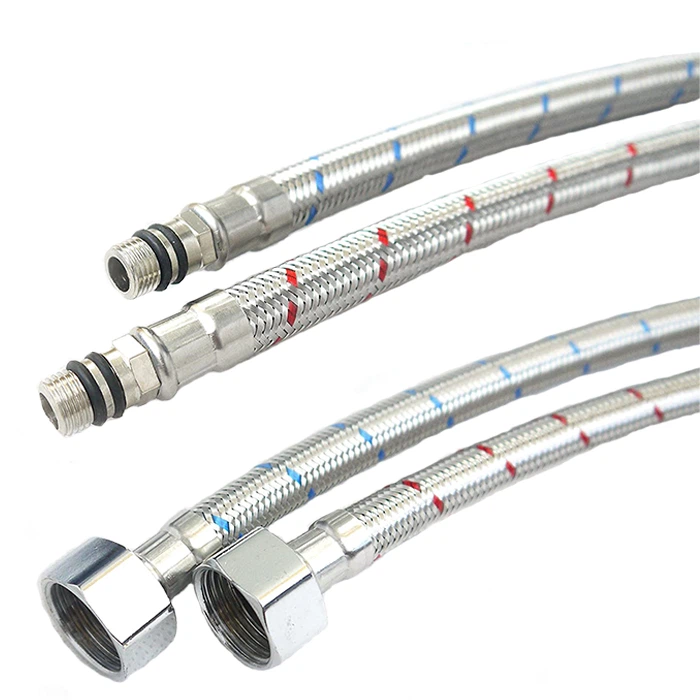
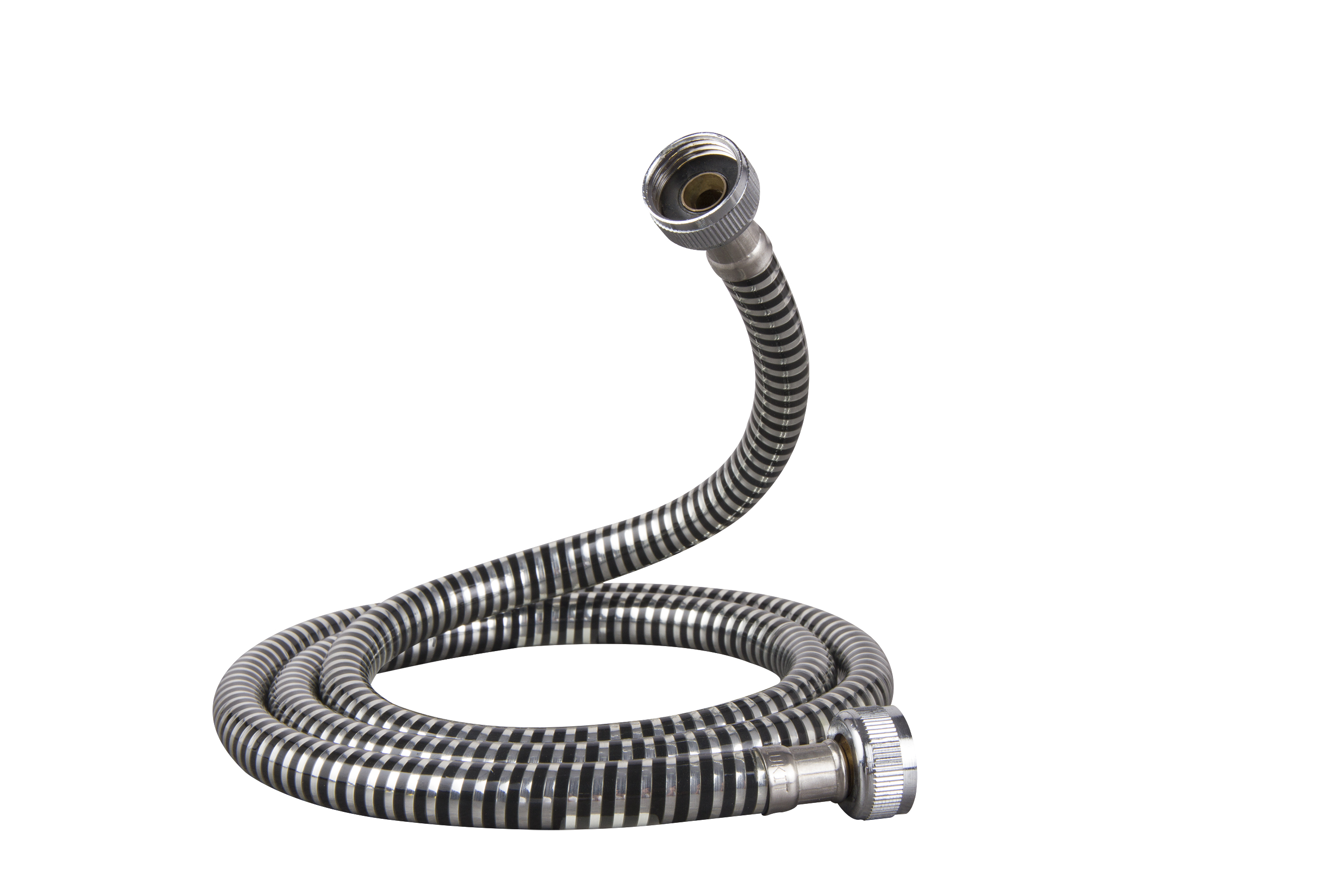
As an important connecting element in pipeline applications, flexible metal hoses have a wide range of application scenarios and unique performance characteristics. The following will elaborate on the performance of flexible metal hoses in pipeline applications, including advantages and disadvantages.
Advantages
1. Good flexibility and adaptability:
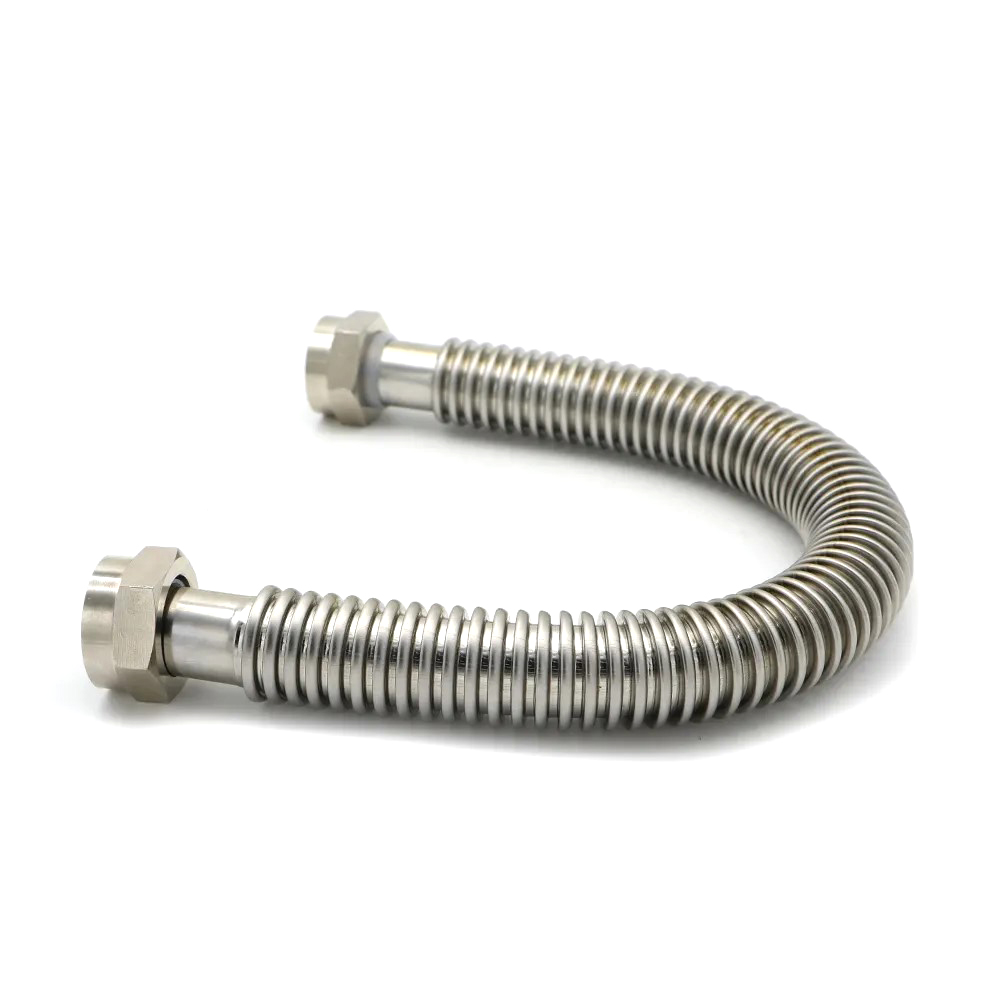
Flexible metal hoses are extremely flexible and adaptable and can easily cope with pipeline bending, vibration, displacement, and other changes. This enables the metal hose to maintain the stability and reliability of the connection in complex and changing piping layouts.
2.Corrosion resistance and high-temperature resistance:
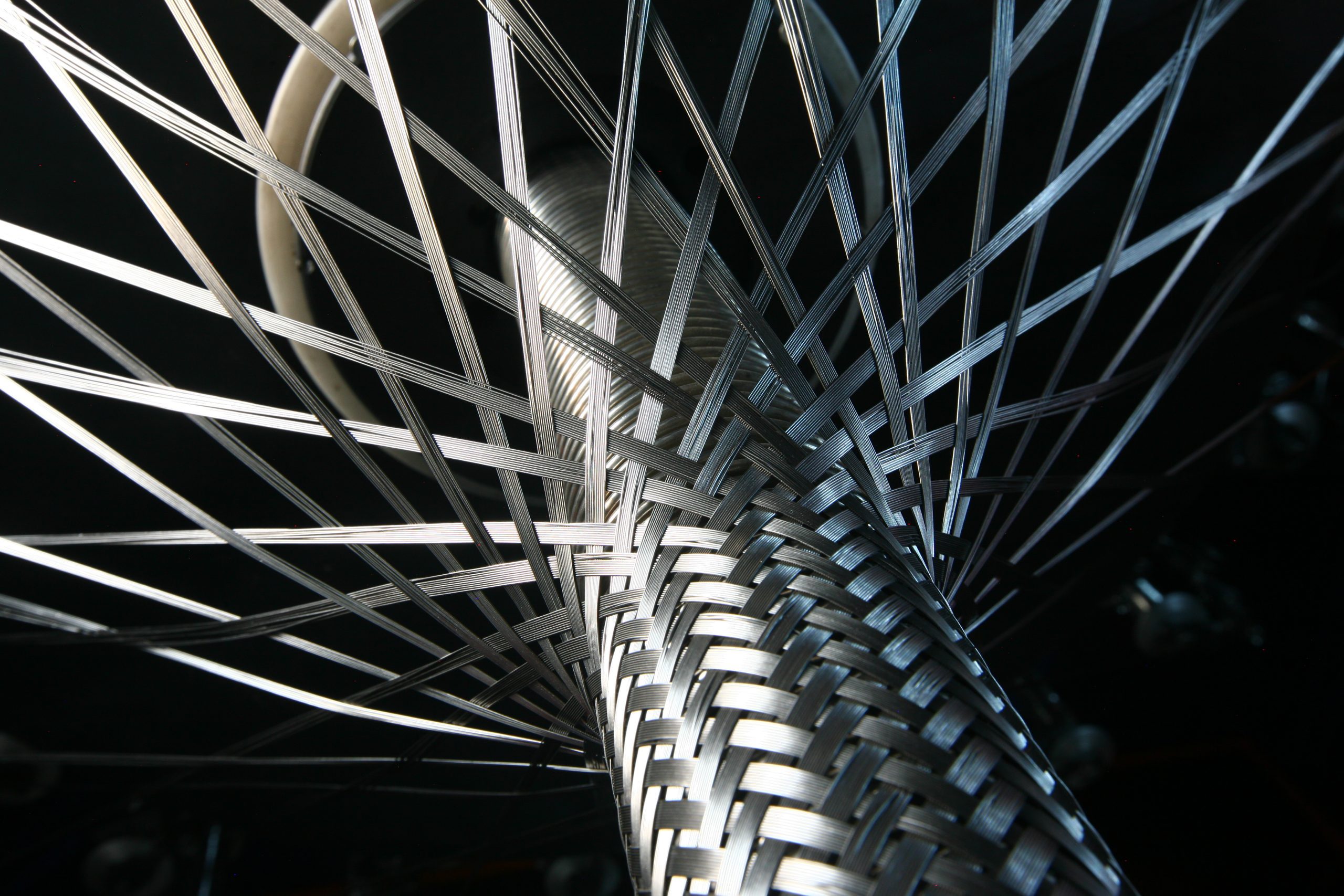
Metal hoses are usually made of corrosion-resistant materials such as stainless steel, which can resist the erosion of many corrosive media. At the same time, it also has good high-temperature resistance and can maintain stable performance in high-temperature environments.
3. Lightweight and good caliber consistency:
Compared with traditional rigid pipes, metal hose has lighter weight and better caliber consistency. This makes the transportation, installation, and maintenance process more convenient and reduces labor intensity.
4. Easy threading and installation:
Metal hose is soft and smooth, easy to thread and install. Metal hose provides better flexibility and convenience in situations where frequent changes or adjustments to the piping layout are required.
5. Rodent-proof, abrasion-resistant, and resistant to internal wire abrasion:
In specific environments, such as underground or indoor, metal hoses can effectively prevent rodents and other small animals from biting and damaging, and at the same time reduce the wear and tear of the internal wires, improving the safety and reliability of the piping system.
6. Resistant to bending, stretching, and lateral pressure:
Metal hose has good resistance to bending, stretching, and lateral pressure, and can maintain stable performance under a variety of complex working conditions. This gives it a unique advantage in piping systems that need to withstand large stresses and deformations.
7. Variety of hose fittings:
Metal hose has a wide variety of hose fittings that can meet the connection needs of different equipment and instruments. This allows for greater flexibility and adaptability in piping design and installation.
8. Good sealing performance:
Metal hose usually adopts a sealing structure at the connection, which can effectively prevent fluid leakage and ensure the safety and stability of the piping system.
Disadvantages
1. Prone to fatigue fracture:
Metal hoses are susceptible to fatigue cracks during prolonged use, especially when they are constantly twisted, bent, and stretched, resulting in rupture. This problem is especially prominent in harsh environments such as high temperatures and high pressure.
2.Prone to rust and corrosion:
Although metal hoses are usually made of corrosion-resistant materials such as stainless steel, their surfaces may still rust in humid and corrosive media, thus affecting their service life.
3. Susceptible to external environment:
The performance of metal hoses may be affected by high or low-temperature environments, such as deformation, loss of pressure resistance, or becoming brittle. This requires full consideration of external environmental factors in the selection and use process.
4.Easy to produce fluid leakage:
The connection between metal hoses and other pipes may be loose or poorly sealed, resulting in fluid leakage. This will not only pollute the environment but also may cause harm to the staff. Therefore, the sealing of the connection needs to be strictly checked and maintained during installation and use.
5. Insufficient pressure resistance:
If the design selection is wrong or subjected to excessive pressure during use, the metal hose may burst due to insufficient pressure resistance. This requires full consideration of the pressure demand of the pipeline and the pressure resistance of the metal hose in the design and selection process.
In summary, the flexible metal hose has many advantages in pipeline applications, such as good flexibility, corrosion resistance, high-temperature resistance, etc., but at the same time, there are some disadvantages, such as easy to fatigue fracture, easy to rust, and corrosion. Therefore, when selecting and using flexible metal hoses, it is necessary to fully consider their performance characteristics and the use of the environment to ensure the safety and stability of the piping system.