
What is a flexible metal hose?
Flexible metal hose, as an indispensable flexible connecting element in modern industry and daily life, has excellent and diverse performance characteristics and is widely used in many fields. This article will introduce the structure of flexible metal hose, its characteristics, uses, and installation considerations to help readers more comprehensive understanding of this product.
1. The structure and composition
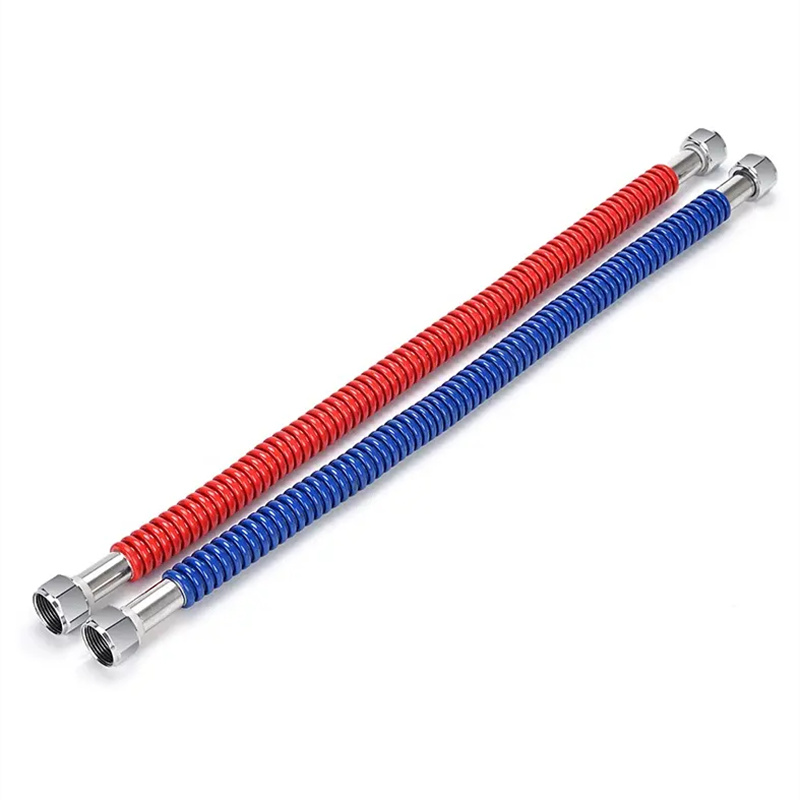
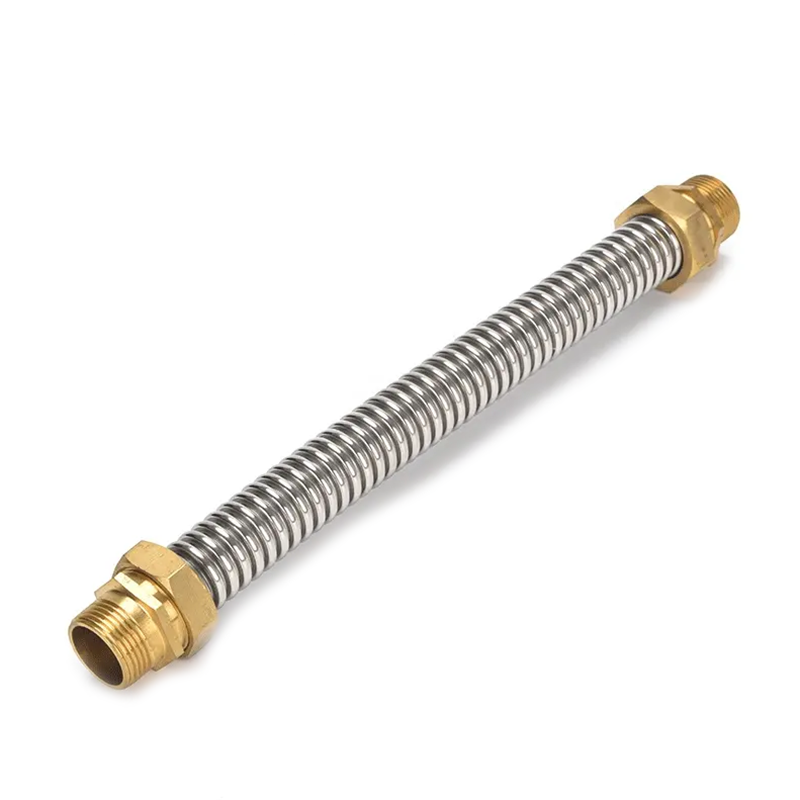
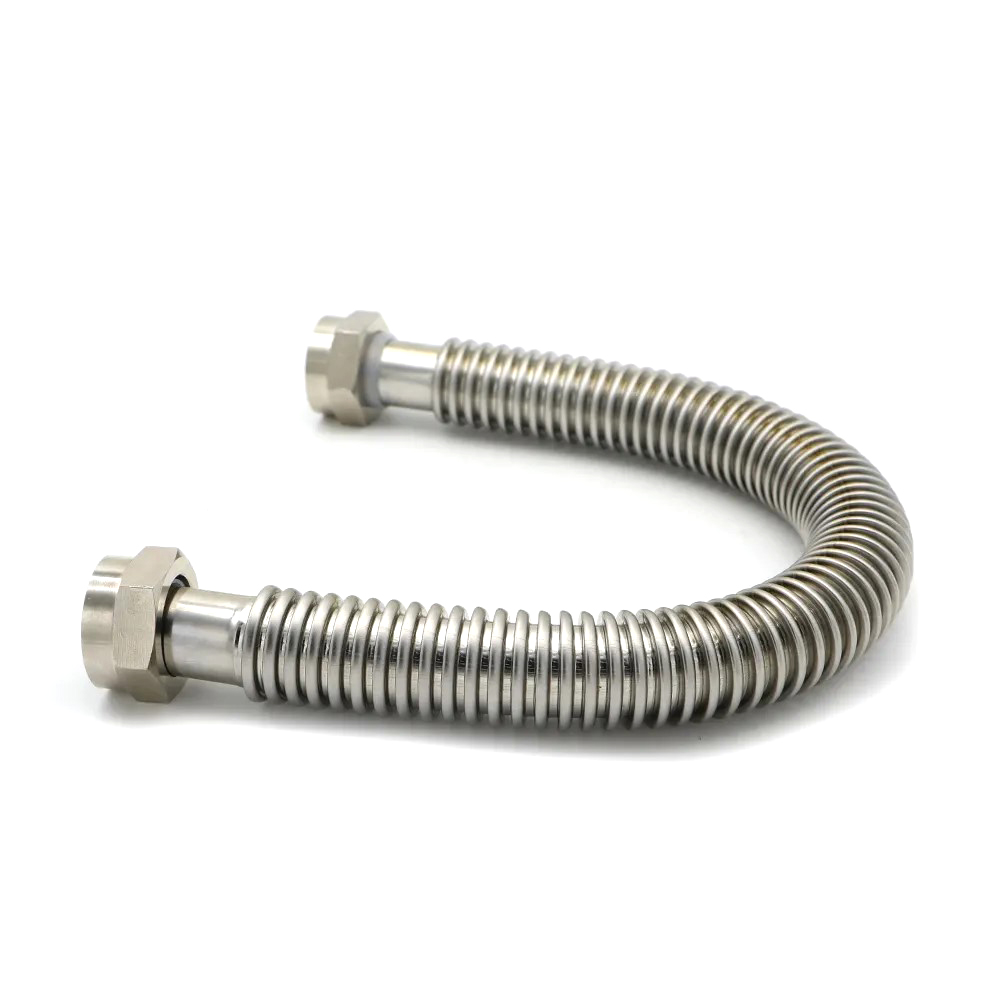
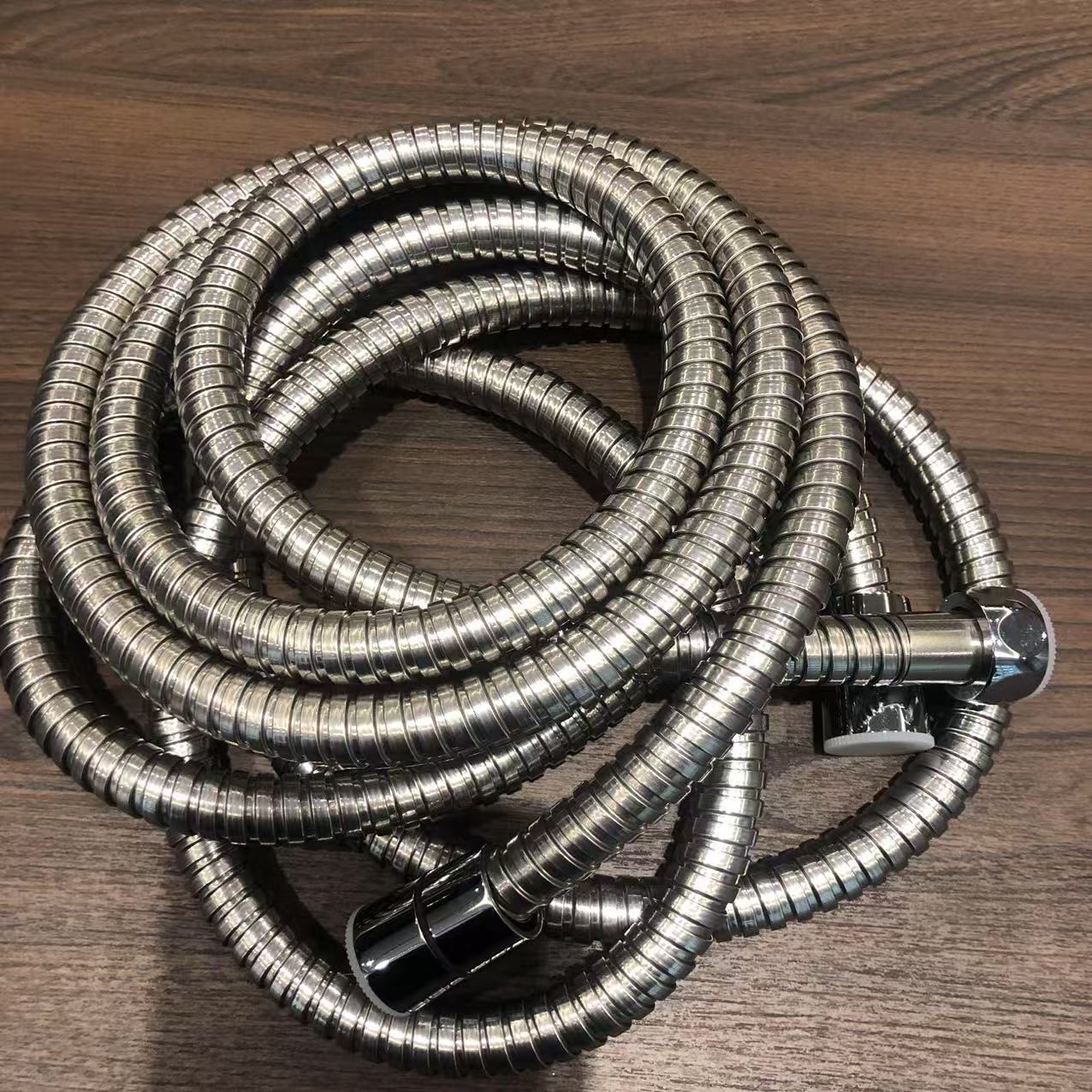
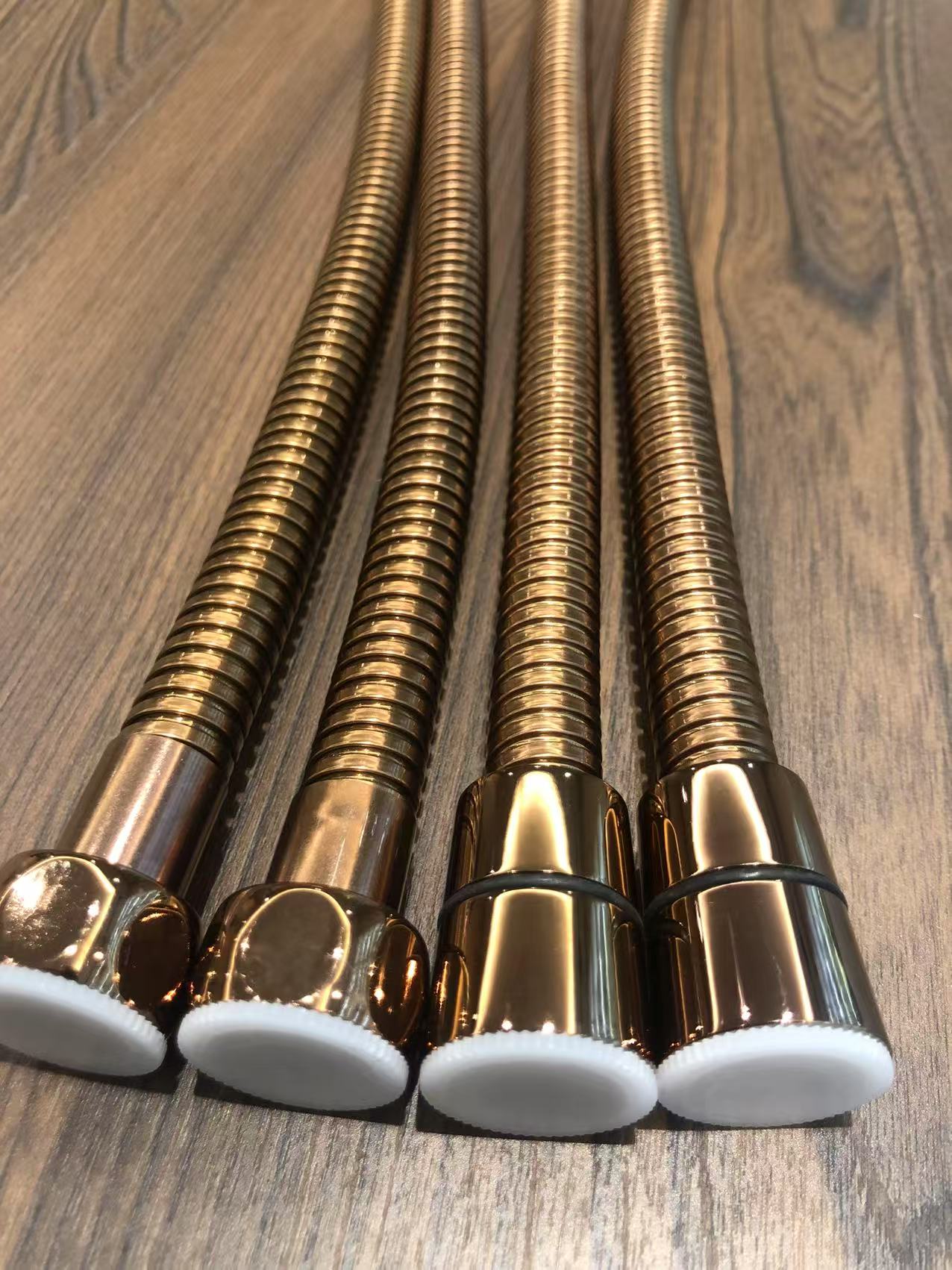
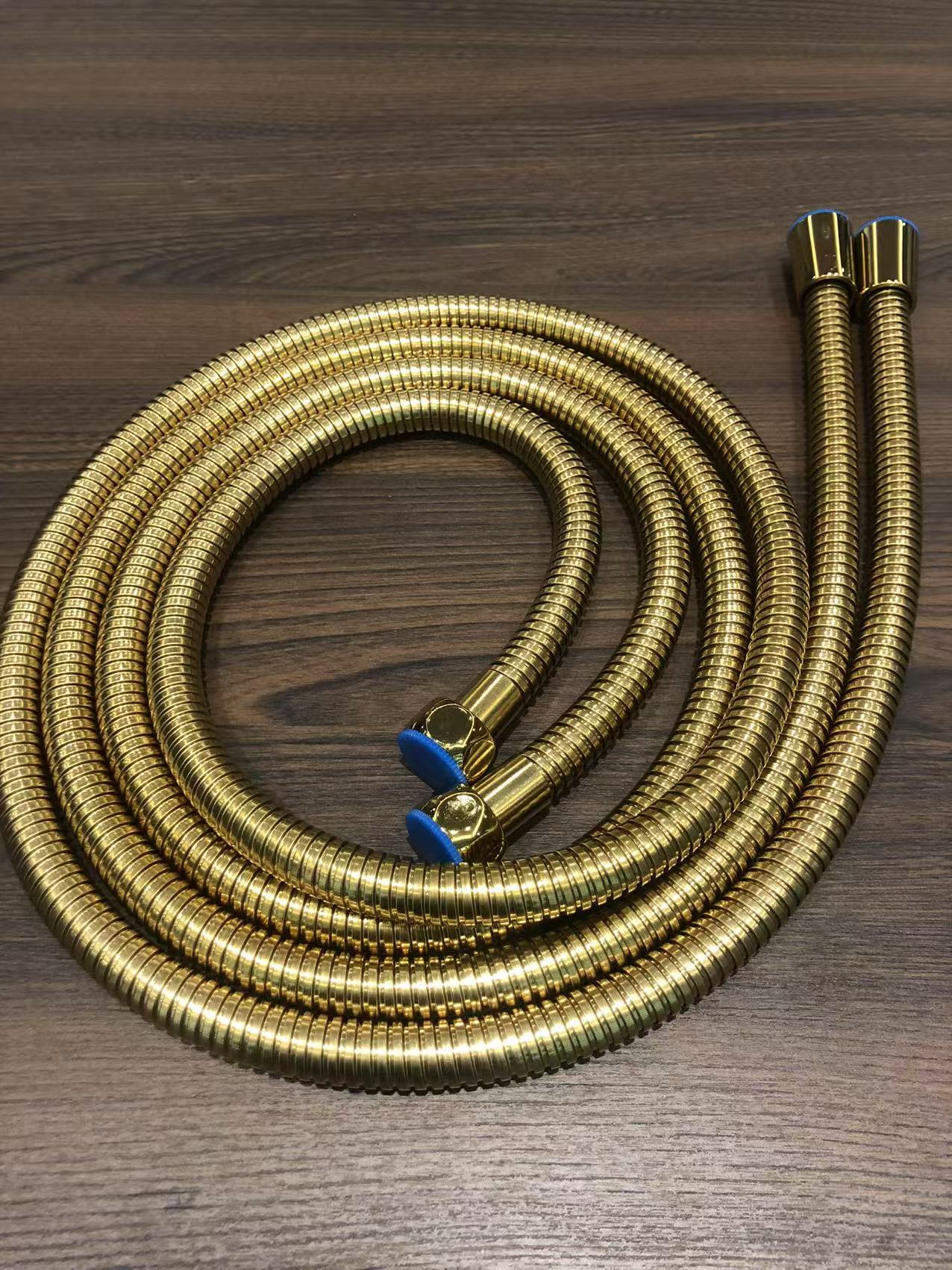
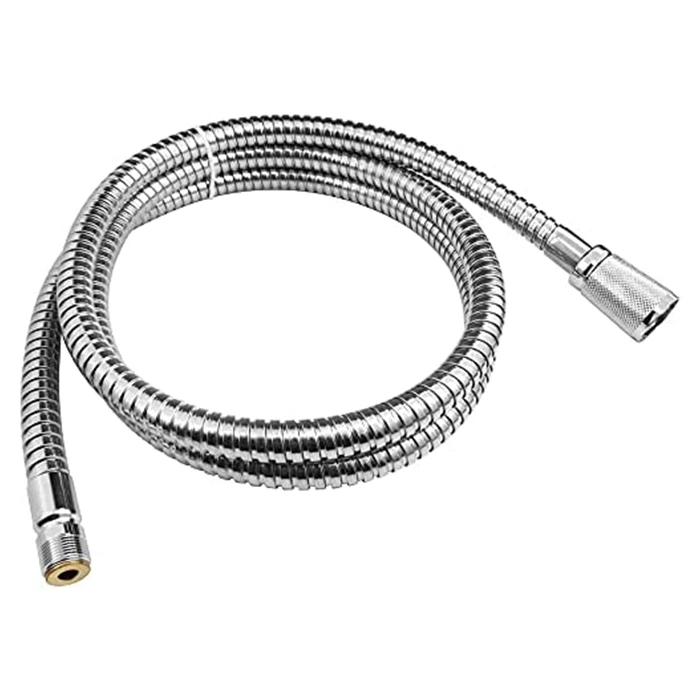
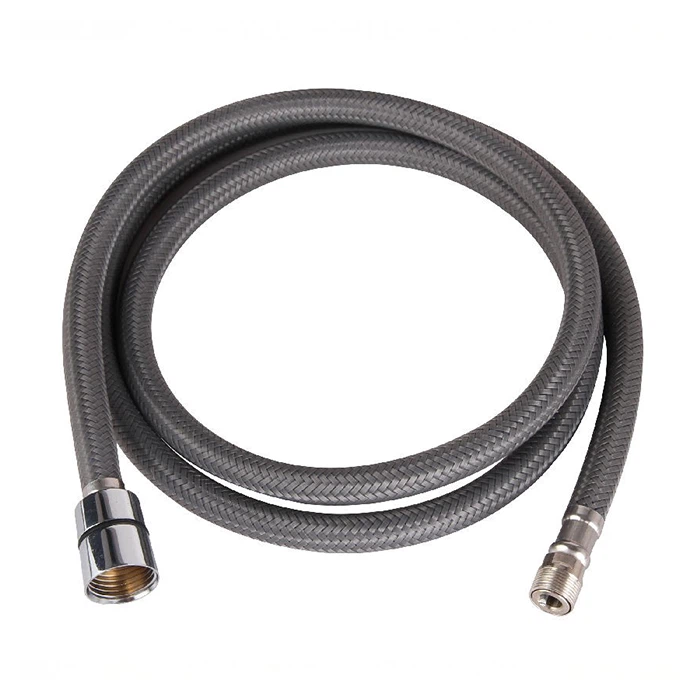
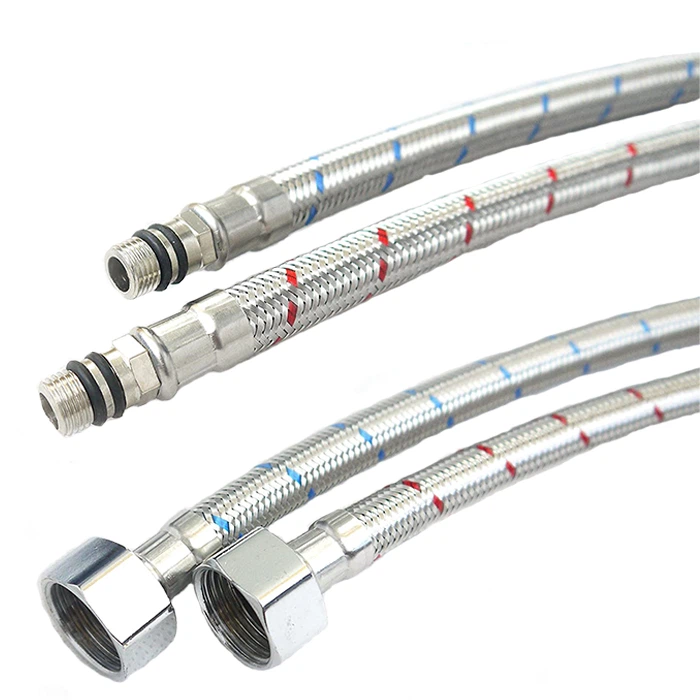
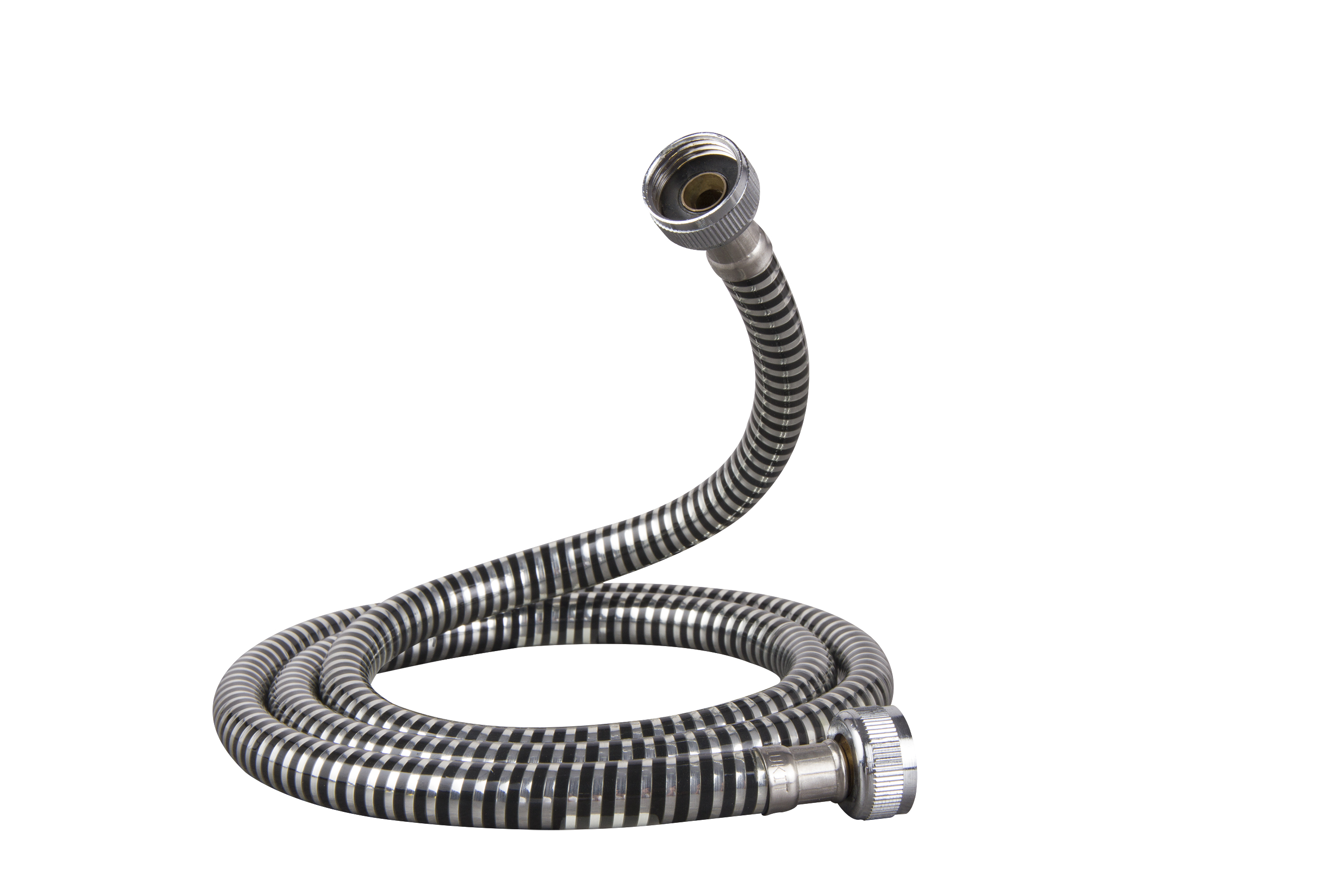
A flexible metal hose is a piping accessory that conveys various fluids with the corrugated pipe as the core element. It is mainly composed of corrugated flexible pipe, a net sleeve, and connector three parts. Bellows are the main part of the metal hose, with spiral or ring waveform, usually made of austenitic stainless steel and other high-quality materials to ensure its excellent flexibility, corrosion resistance, high-temperature resistance, and high-pressure resistance. The net sleeve is wrapped in the outer layer of the bellows, playing a protective and supportive role, to enhance the overall strength of the hose and pressure resistance. The couplings are used to connect the hose with other pipes or types of equipment to ensure the smooth transmission of fluids.
2. Features and Advantages
Flexibility and vibration resistance: metal hose can adapt well to various displacements and vibrations in the piping system, reduce internal stress, and improve the seismic performance of the system. This feature makes the metal hose in need of frequent movement or vibration occasions, such as liquefied petroleum gas injection tanks, hydraulic mechanical equipment, etc., have significant advantages.
Sealing performance: metal hose can effectively prevent fluid leakage and pollution. Its smooth inner wall and low flow resistance ensure efficient transmission of fluids, while reducing energy loss and improving the operational efficiency of the system.
Corrosion and high-temperature resistance: Whether it is the corrosion of acid and alkali solutions or high-temperature steam baking, can not shake its stable structure, to ensure that the piping system is in extreme conditions of long-term stable operation.
Anti-fatigue and long life: after many cycles of use and testing, it still maintains a good performance status, providing users with a reliable and economical solution.
3. The field of application
Because of its unique performance and advantages, metal hose is widely used in many fields. In the aerospace field, metal hose is used to connect all kinds of complex piping systems to ensure the safety and reliability of the aircraft. In the petrochemical industry, metal hose is used to transport all kinds of corrosive and high-temperature fluids to ensure the smooth running of the production process. Metal hose is also widely used in mining electronics, machinery and shipbuilding, medical and health, textile electronics, energy and construction, and other fields, become an important element in connecting a variety of equipment and pipelines.
4. Installation precautions
When installing metal hose, the following points need to be noted:
Choose the right hose: according to the specific use of the environment and fluid characteristics, choose the appropriate metal hose materials and specifications.
Correct installation: Install the hose in strict accordance with product specifications and installation guidelines to ensure that the hose is tightly connected to the pipeline or equipment without leakage.
Avoid twisting and dead bends: In the process of installation, avoid twisting or dead bends of the metal hose, so as not to affect its service life and performance.
Regular Inspection and Maintenance: Regularly inspect the connections and bellows sections of the metal hose to ensure that they are free from damage or leakage. If necessary, repair or replace them in time.
By understanding its structure, characteristics, uses, and installation considerations, we can better utilize this product to provide safe, reliable, and efficient fluid transfer solutions for various applications.