
Will holding the shower head instead of hanging it damage the shower hose?
In our daily lives, we've probably all experienced the scenario where we habitually hold the shower head in the shower to make it easier to adjust the temperature of the water or to rinse all parts of our body, rather than hanging it back up on the wall bracket. This seemingly inconsequential habit has sparked a discussion about the durability of shower hoses in some homes. Some people are concerned that frequently holding and moving the shower head can cause the hose to wear out internally and even rupture and leak, while others believe that the effect is minimal to negligible. So, does holding the shower head instead of hanging it up cause damage to the shower hose? Let's analyze this question in depth from several angles.
Shower Hose Construction and Material
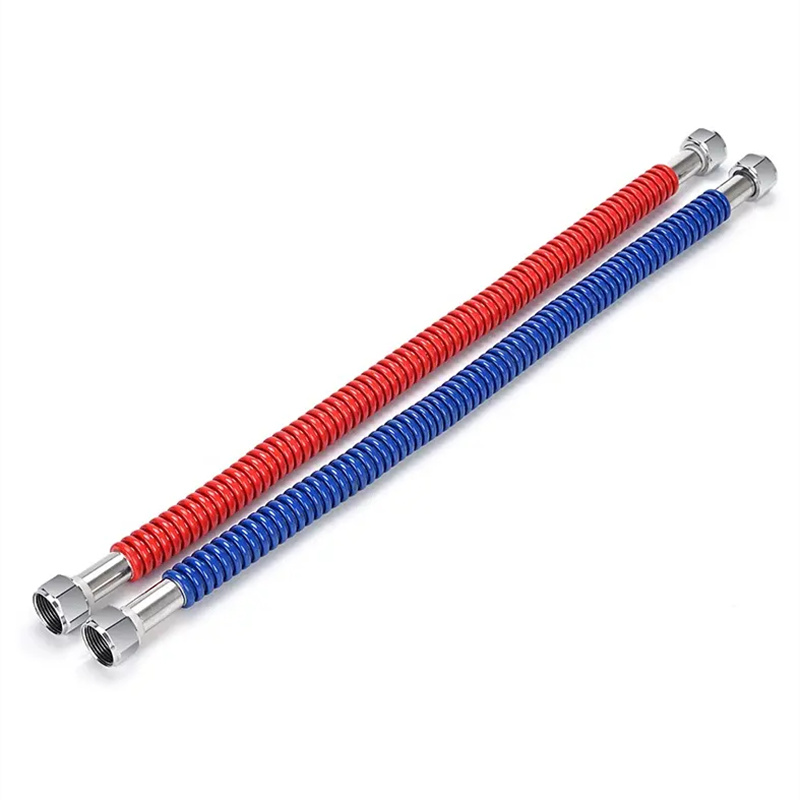
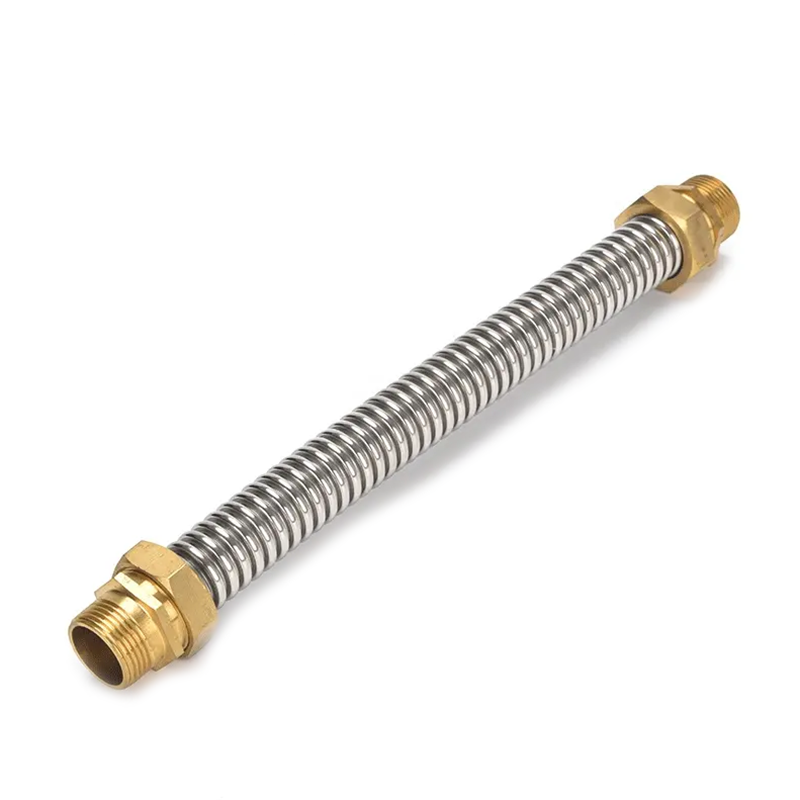
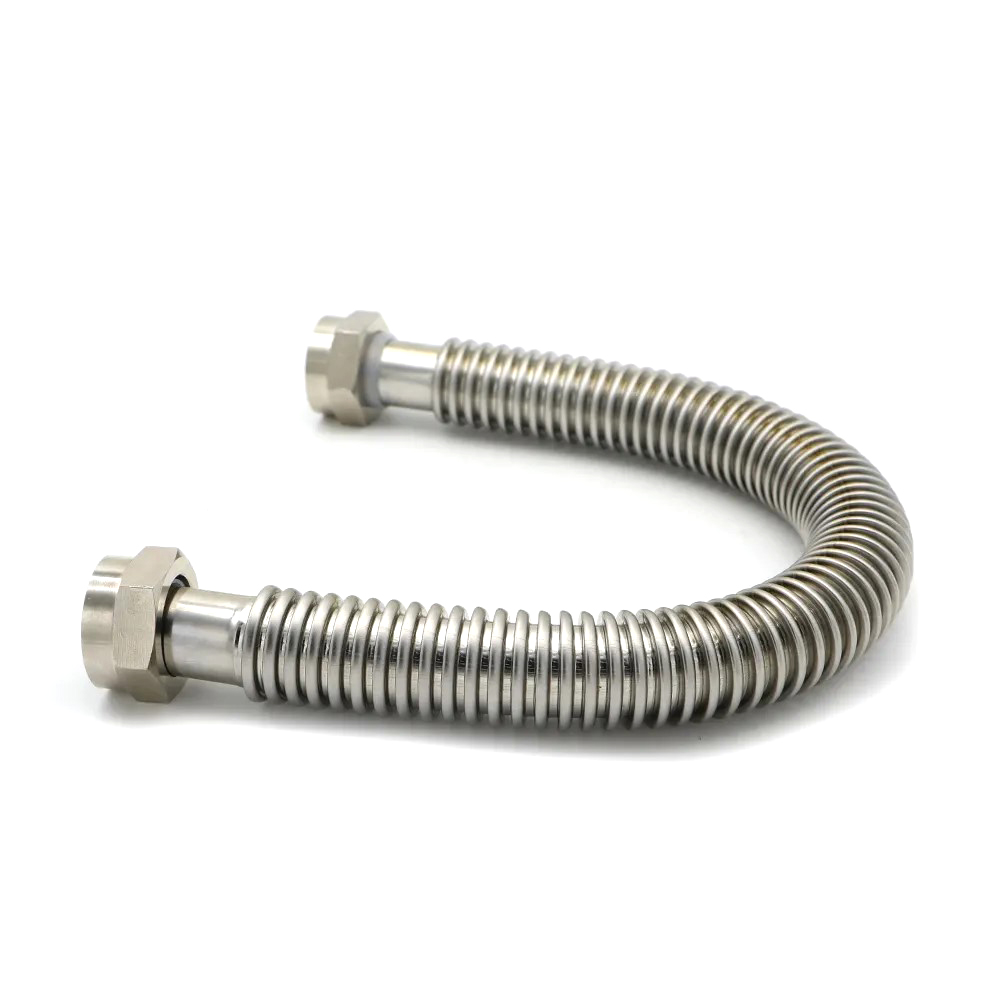
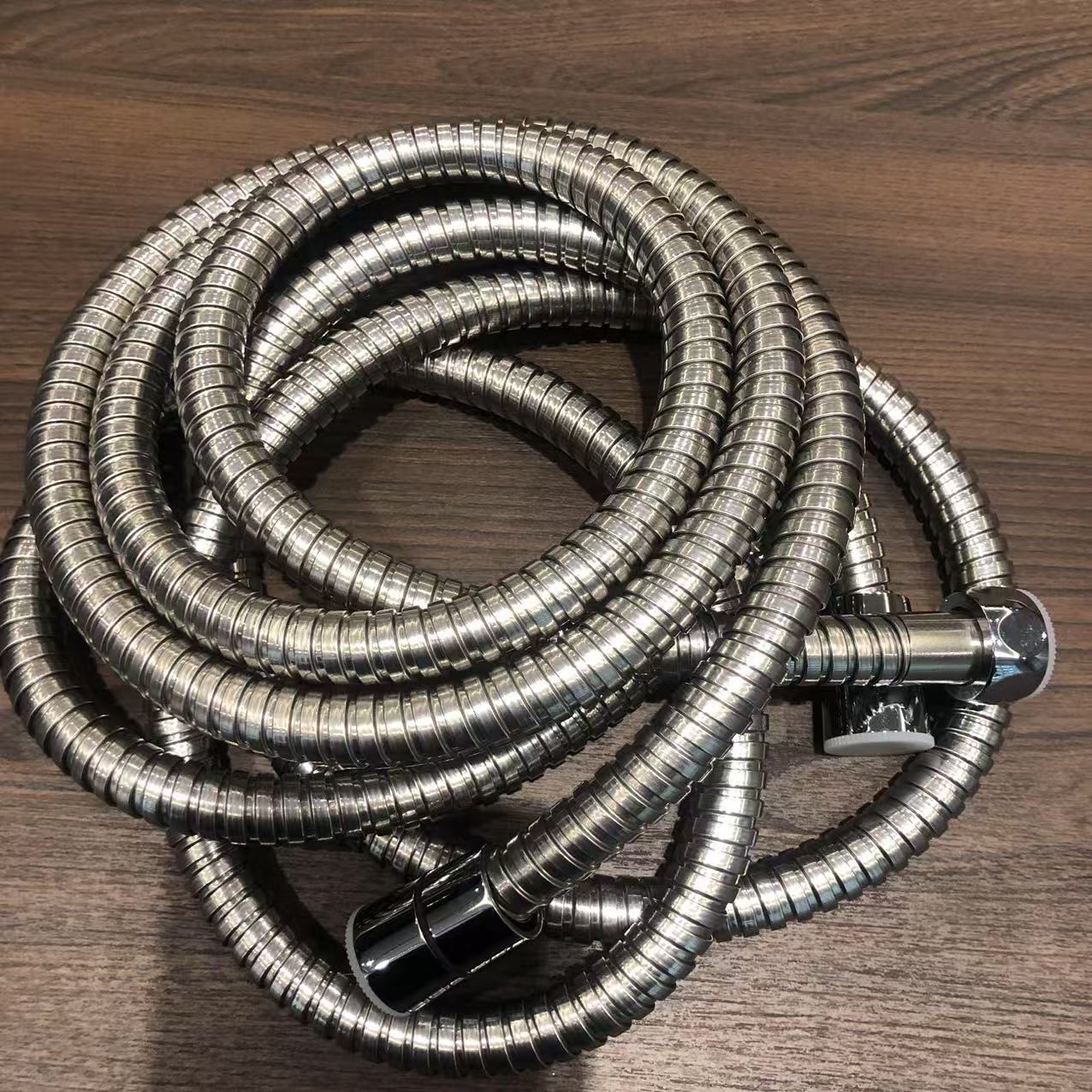
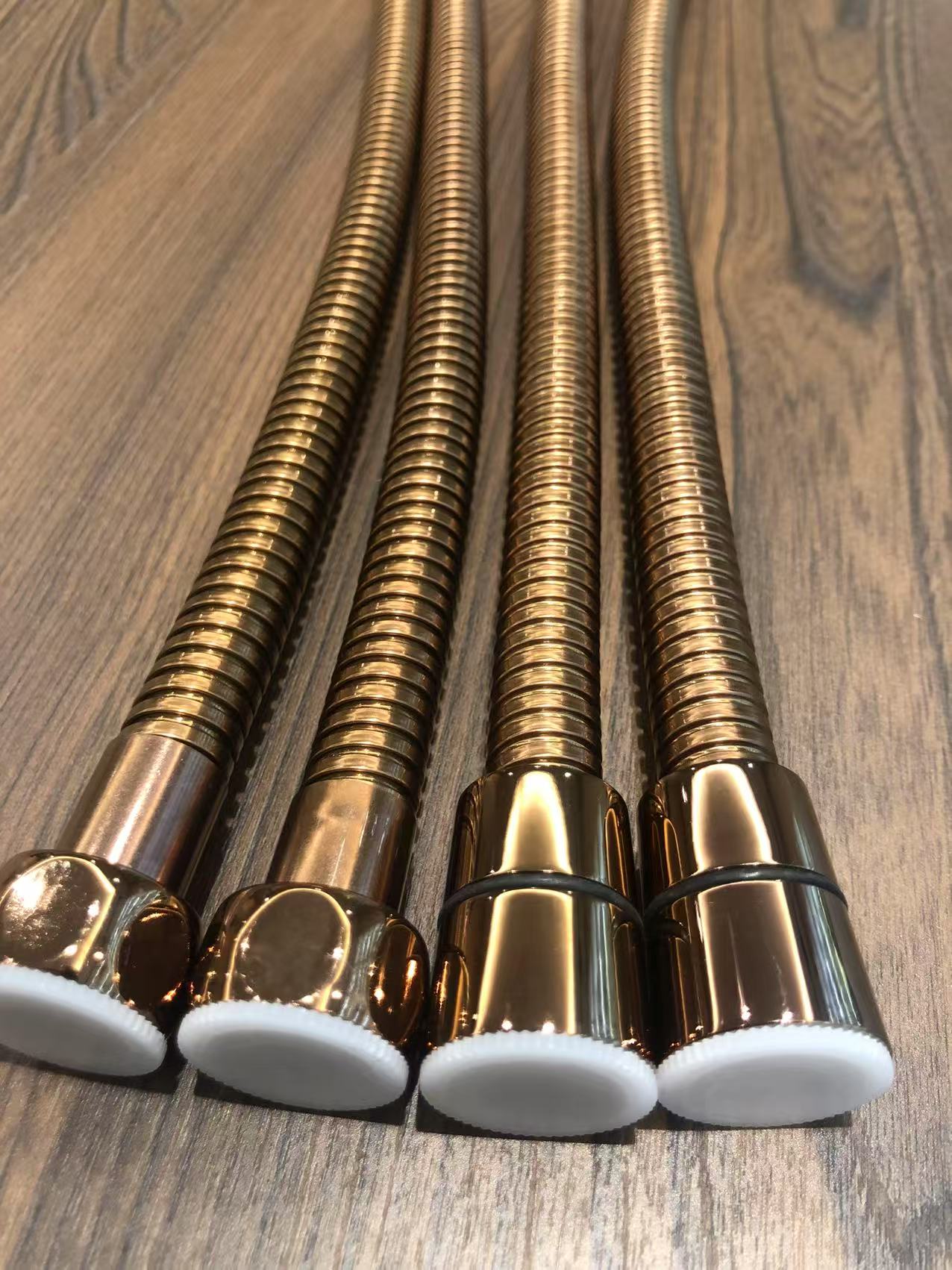
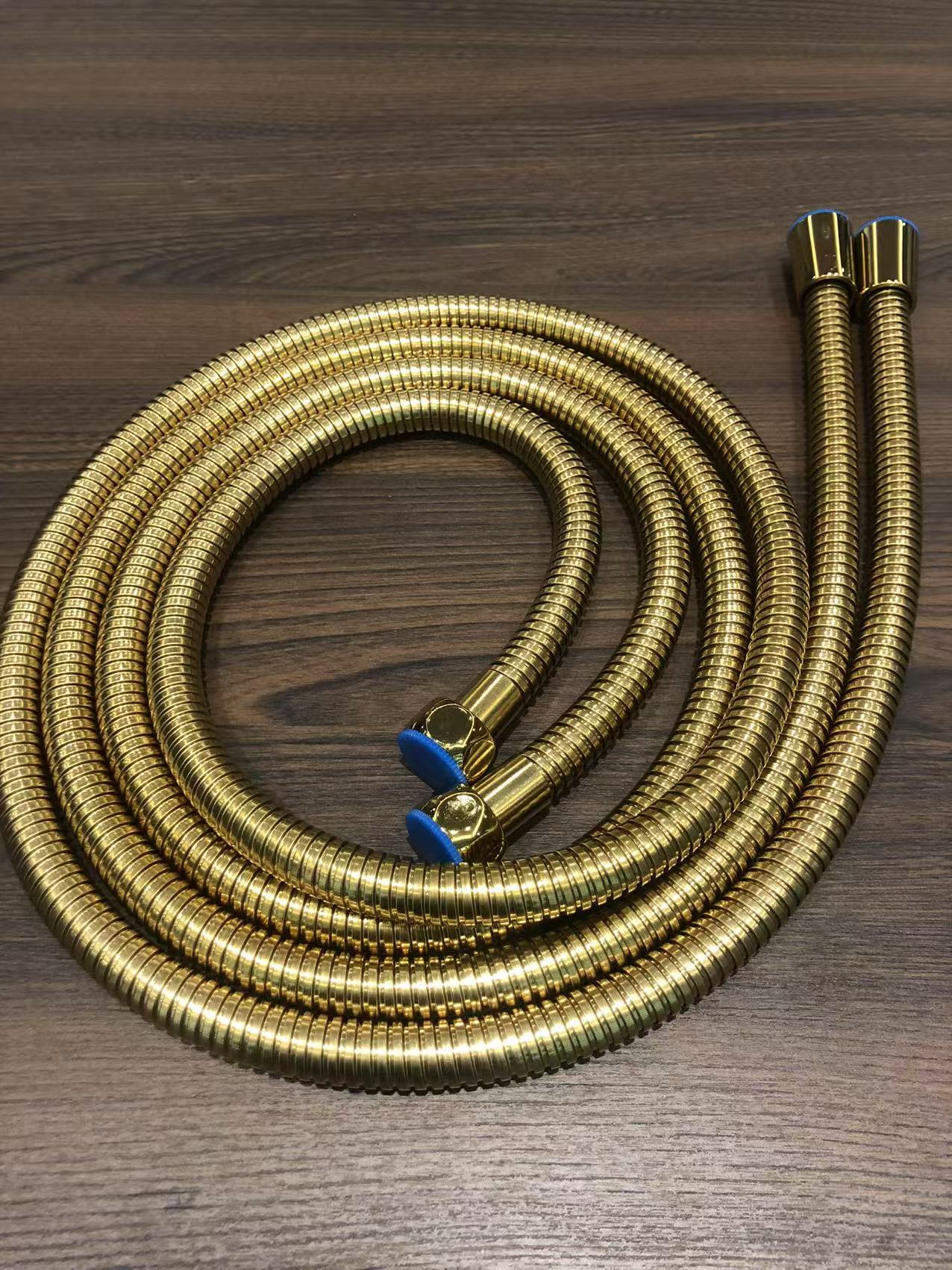
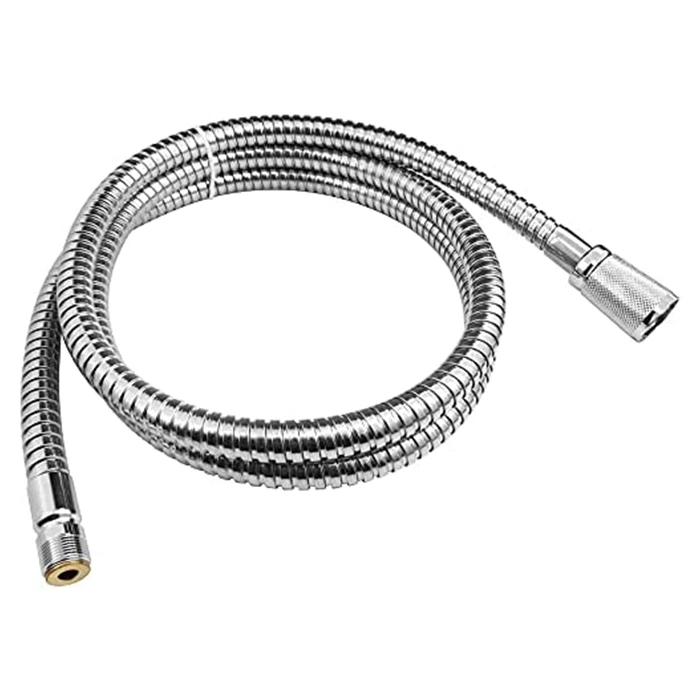
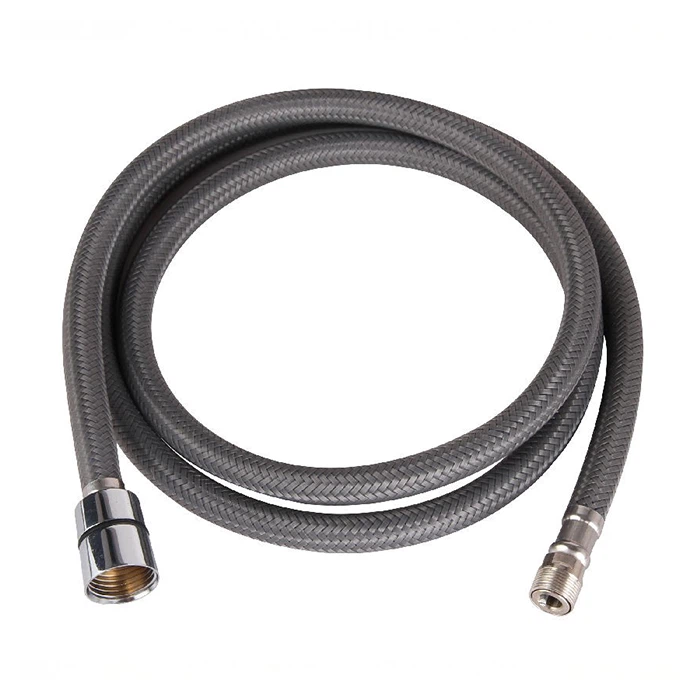
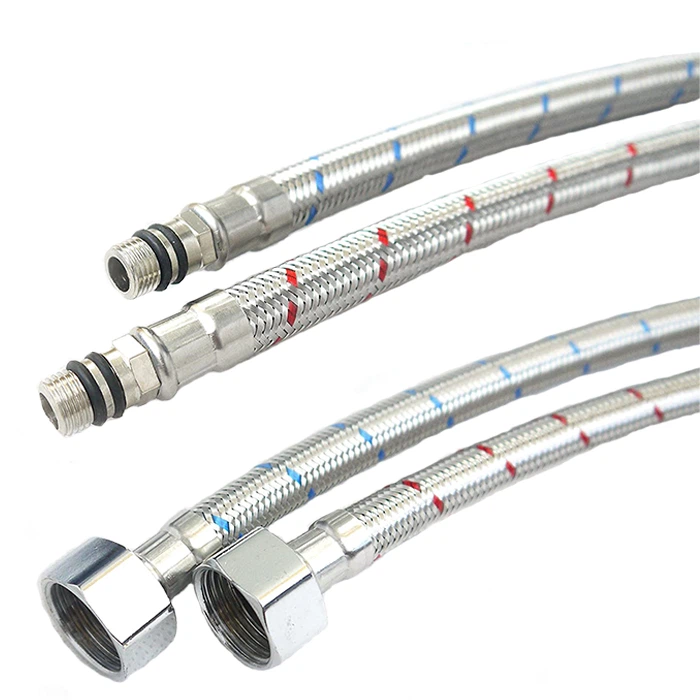
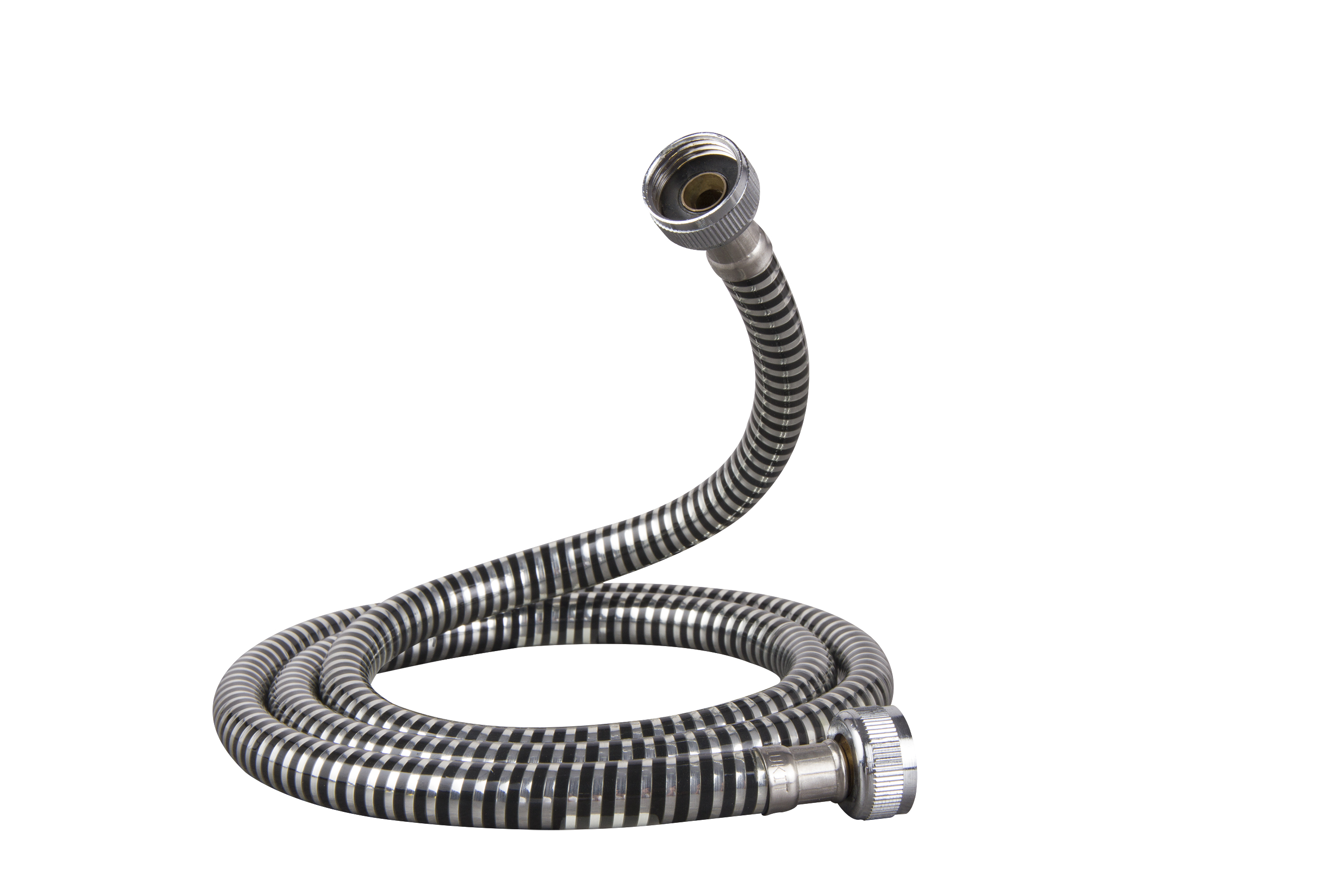
First and foremost, understanding the construction and material of a shower hose is the key to answering this question. Most modern shower hoses are made up of two layers: the inner layer is usually a corrosion-resistant plastic or rubber hose that carries the water; the outer layer is a braided fiber or metal mesh, which is used to increase the strength and durability of the hose and prevent it from expanding and rupturing due to the pressure of the water inside. In addition, the hose is attached to metal fittings at each end, which are threaded or snap-fastened to shower heads and wall outlets.

The effect of usage habits on the hose
By holding the shower head and moving it, you are exerting a dynamic pulling force on the hose. The size and direction of this pull depend on the user's strength and movement patterns. Theoretically, indeed, holding the shower head too often and with too much force can cause the internal material of the hose to fatigue from repeated stretching, especially at the hose connections or where the hose bends most frequently. However, this effect is not immediate but builds up over time until the fatigue limit of the hose material is reached.
The importance of routine maintenance
It is important to note that the durability of a shower hose depends not only on usage habits but also on routine maintenance. Regularly checking the hose for wear and tear, deterioration, or cracks, as well as ensuring the tightness of the hose connections is an effective means of preventing leaks. Avoid using water that is too hot, as high temperatures accelerate the aging process of the hose material. If any hose is found to show signs of abnormal wear or aging, it should be replaced promptly to avoid potential safety hazards.
Suggestions for proper use and maintenance
1. Gentle use: When showering, try to hold the nozzle as gently as possible and avoid pulling too hard.
2. Reasonable hanging: After each shower, gently hang the nozzle back on the wall bracket, avoid hanging on one side of the body for a long time to reduce unilateral force.
3. Regular inspection: Every once in a while, check the hose and connections for wear, aging, or looseness, and take timely measures.
4. Temperature control: When adjusting the water temperature, try to avoid extremely high temperatures to protect the hose material.
5. Professional Repair: In case of hose leakage or damage, seek professional repair services to avoid mishandling the problem on your own which may lead to more serious problems.
So while holding the shower head rather than hanging it up theoretically increases the risk of wear and tear on the hose, this effect is not absolute and often takes a long period of improper use to become apparent. Through sensible usage habits and regular maintenance checks, the service life of shower hoses can be effectively extended, and unnecessary damage and leaks avoided. Therefore, the key is to cultivate good use habits, while focusing on routine maintenance to ensure the safe and efficient operation of the shower system. In our daily life, let's start from the little things, and jointly maintain a comfortable and safe shower environment.